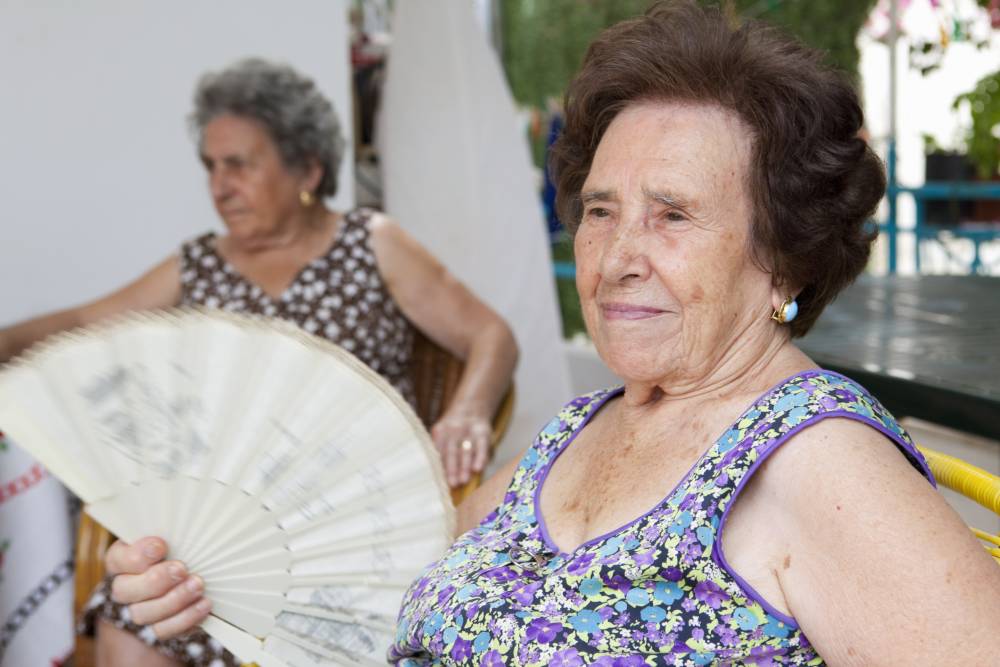
The Minister for Aged Care, Richard Colbeck, is urging Australians to look out for the elderly and vulnerable as hot weather sweeps across the nation in the lead up to Christmas.
The increase in temperatures, expected to be widely felt across most States and Territories from today, has earlier prompted a Department of Health notice to the age care sector, urging providers to be prepared.
Minister for Aged Care Richard Colbeck said while it was important for people of all ages to follow advice and stay safe, it was vital the needs of the elderly remained a priority.
“It’s really important for people to stay hydrated, keep cool and look after one another – particularly vulnerable members of the community like children and the elderly,” Minister Colbeck said.
“If you have an elderly neighbour or somebody you know who may need help in the trying conditions, pay them a visit and make sure they are OK.”
Aged care management were key to ensuring the welfare of staff and recipients as conditions heat up, Minister Colbeck said.
“Providers should stay informed of current activity by monitoring local media and regularly checking for updates on the Bureau of Meteorology website and through their own state emergency agencies.”
Signs of heat stress include muscle cramps, pallor, dizziness, headache, nausea, increased heart rate, fainting, excessive sweating or no sweating with high temperature and hot, dry skin.
People who experience severe symptoms such as these should seek urgent medical advice. In an emergency please ring 000 (Triple 0).
The department has specific resources outlining the precautions aged care providers should take. These are available online:
Australians in affected regions can limit their risk of heat-related illness by drinking more water, limiting exposure to the sun, stocking up on food and medicines, having a plan and know to call for help.





