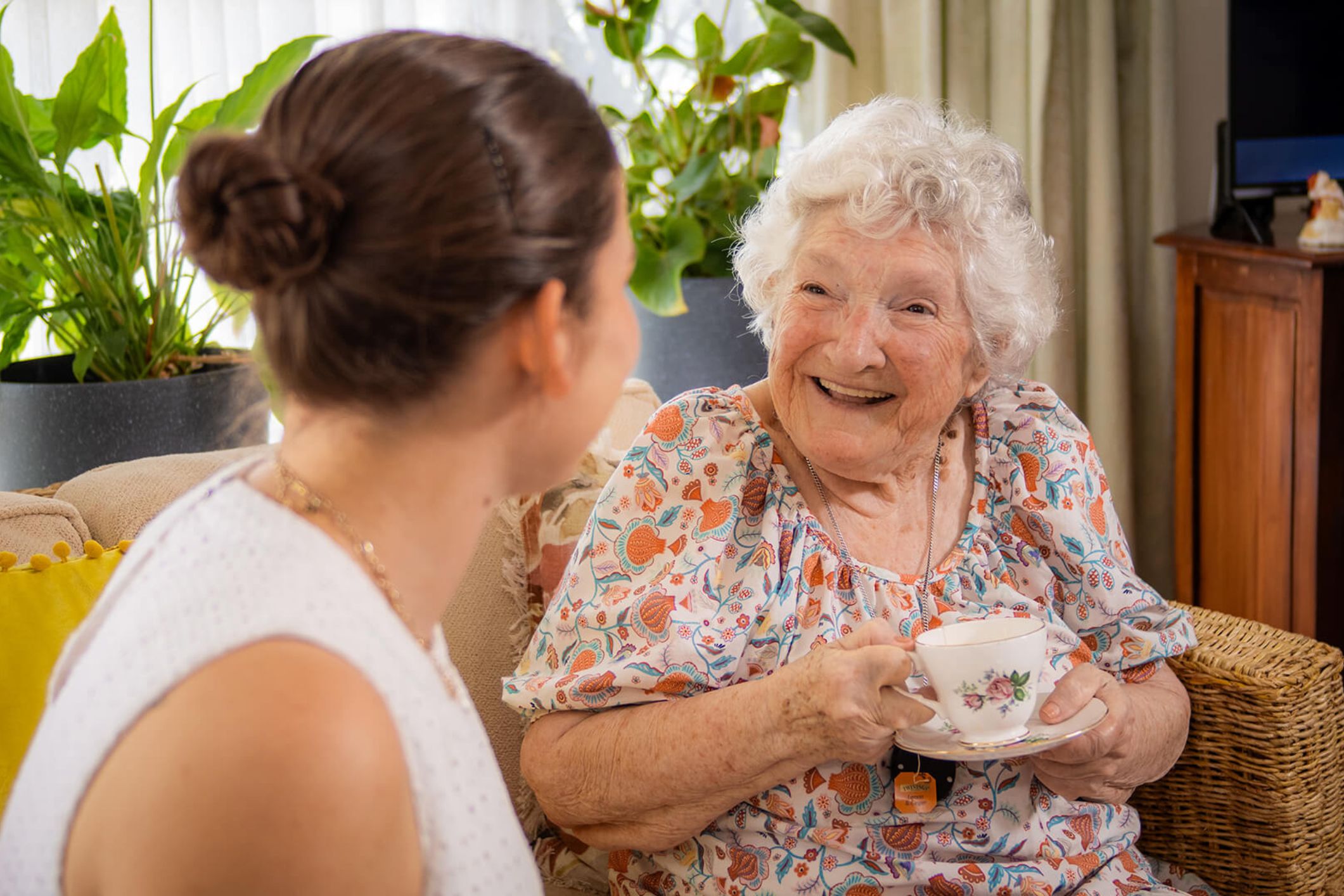
Conversations around a unique housing model called home-sharing/co-housing are set to reignite the exploration of intergenerational living right here in Australia.
Hosted by Anglicare Southern Queensland, a free webinar on Wednesday November 6 will showcase insights from a new co-design project on home-sharing run by the University of the Sunshine Coast and the University of Queensland.
“The concept of home-sharing is gaining traction due to the ongoing rise in cost of living alongside a generally unstable housing market, where suitable housing is less available,” shared Sue Montgomery, Group Manager, Home and Community Services, Anglicare Southern Queensland.
“Home-sharing offers people a means to form relationships and connections while sharing resources in a sustainable way.”
Multi-generational living is nothing new for Australia, particularly amongst families with international roots, with numerous generations living together under one roof.
Home-sharing, however, is more about people of different generations living together despite not knowing each other. It challenges the traditional share-house model for young adults and offers opportunities to share resources, skills and knowledge.
“The research shows that intergenerational relationships are a great way to give and receive support that is mutually beneficial, whilst offering the opportunity for shared learnings. There is also the possibility of exposure to a wider range of perspectives that each age group may not have necessarily been exposed to before,” Ms Montgomery added.
“The evidence from related initiatives overseas shows that relationships formed in home-sharing environments are overwhelmingly positive with younger occupants finding mentor-like role models in their older co-occupants, and older persons greatly benefiting from the energy and fresh ideas of younger people.
“It provides social cohesion, building stronger and more connected communities where everyone can benefit.”
Anglicare Southern Queensland’s webinar will share local insights into the innovative model of care and its potential to support a range of people who face housing affordability challenges. This includes retirees, care-leavers, community sector workers and university students.
The webinar will highlight the attitudes of each group towards intergenerational living; and explore possible strategies to ensure mutual understanding, trust and other factors contributing to the ultimate success of a homesharing arrangement.
Erinn Davenport, Mia Guild, Sarra Hodson and Wish Waiyawuth of the University of Queensland will share their findings from a full year of research into the model of care.
The University of Sunshine Coast’s Dr Anna McKinley and Dr Trudi Flynn will discuss the development of a potential household formation model informed by the findings, and describe upcoming work focusing on the operational requirements of such a model.
Anglicare Southern Queensland, which provides aged care support alongside community support and social services, hopes to develop the proposed operational model with the University of Sunshine Coast for a co-housing pilot.
“Projects like Homeshare are so important as they provide an opportunity to explore innovative solutions to widespread problems like housing affordability and loneliness. As home-sharing/co-housing becomes more widespread, greater numbers of people will have the opportunity to live in supportive, connected, and sustainable communities,” Ms Montgomery said.
Anyone interested in learning more about home-sharing and its potential can register for Wednesday afternoon’s webinar here.





