St Francis Aged Care in the NSW town of Orange is just the type of quaint and picturesque setting that most people would hope to call home in their older age.
Wide open activity spaces and outdoor areas seem to merge as the sunlight that beams through open windows adds a layer of tranquility and warmth to a home that feels at one with the outdoor elements.
Orange, is a town renowned for growing some of Australia’s best fruit and vegetables, so it should not come as a shock that one of the biggest attractions at St Francis Aged Care is something that has grown out of the ground.
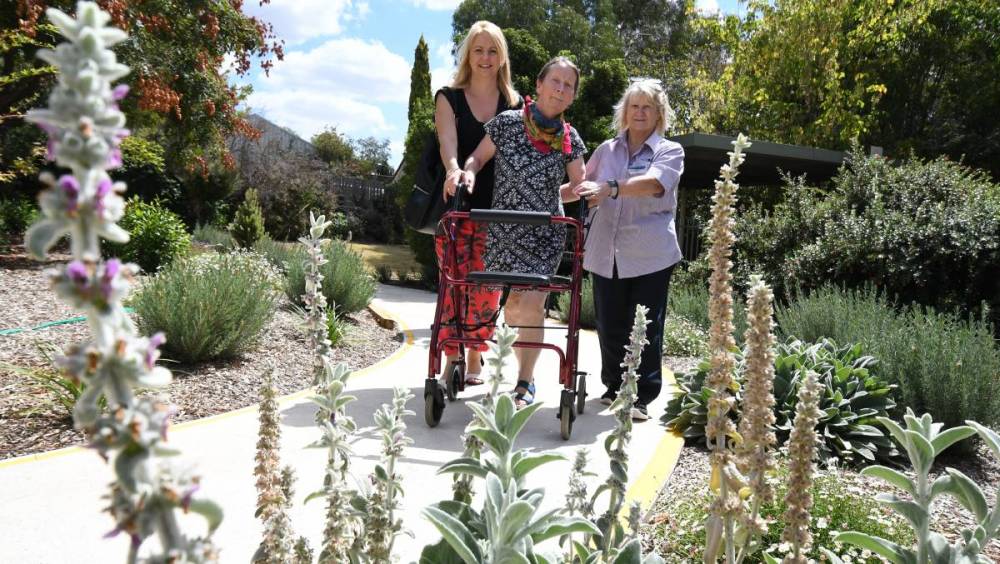
St Francis Aged Care’s sensory garden is an enclosed garden area that was created with the sole purpose of awakening the senses of their 53 residents.
The careful selection of plants and other materials within the garden engage the residents senses of sight, sound, touch, and smell, while providing the perfect backdrop for meaningful interaction with other residents, staff members, and family.
There are a number of mental and physical health benefits that come with the sensory garden, and one of which is the simple yet often overlooked fact that being outdoors increases exposure to sunlight which can assist in the body’s absorption of Vitamin D.
Being out amongst nature is also known to reduce stress, lower blood pressure and has even been proven to aid people in their recovery from sickness.
A selection of scented roses, lavender, succulents and Lamb’s ear were chosen to be featured predominantly throughout the garden based on their vibrant colours, intriguing texture, and distinct smells.
The garden also features a pathway with a yellow boundary to assist residents with navigation; that leads to a vibrant communal area with tables and chairs.
There are a number of standout features throughout the seating area, such as a brightly coloured parrot sculpture and an amazing water feature that flows with specially dyed water colours and has captured the hearts and minds of residents, families and staff members.
While this sensory garden has a positive effect on everyone who gets to stroll the gardens, it’s hard to describe just how important a feature like this can be for residents that are living with dementia.
Residents that are living with dementia are unable to produce new memories, but there is still the opportunity to connect with an aspect of who they are as individuals through their strong memories from the past.
One way of evoking these memories and overall sense of self is by bringing people who are living with dementia into contact with things new things that may be able to stir up memories, and this is done through engaging their senses.
The smell of a rose might take a resident back to their first valentine, the feel of a certain plant might take them back to a parent’s farm, and the sound of running water may just take them back to the lakes and dams that they swam in as children.
Part of feeling good about who you are comes with knowing who you are, and while there has been a lot of important and innovative advancements in the form of dementia care, never underestimate the power of simply stopping to smell the roses.
Photo: coutesy of JUDE KEOGH 0315jkstfrancis1





Beautiful, inspiring, dignified and reflective action for those who are residents in aged care. This would be
my dream garden (equipped with beautiful water fountain) in a peaceful setting. Brilliant!!