
Jul 10, 2017

Alzheimer’s and Severe Stress, Experts Say There is a Connection

With the actual cause of Alzheimer’s disease still unknown, research continues to make advances every day. In a recent study, scientists have found indications that severe stress in middle age can lead to dementia or Alzheimer’s disease. The reason, they have found, is mainly due to the cumulative damage that chronic or severe stress induces on the brain.

As part of the Prospective Population Study of Women in Gothenburg, Sweden, researchers conducted a study of 800 women from middle age to late life. At the beginning of the study in 1968, researchers questioned participants about common psychosocial stressors such as: the death of a child or spouse, divorce, serious illness, unemployment, lack of social support and abuse.

In this group of participants, 25% had experienced one majorly stressful event, 23% at least two, 20% three events and 16% had experienced four or more stressful life events. Over the next 38 years, doctors and researchers examined the participants for signs of dementia and Alzheimer’s. At the end of the study, they found that one out of five of the women had developed dementia (most often Alzheimer’s). Their average age was 78 when they were diagnosed.

What do experts believe?

Everyone experiences varying levels of stress throughout their lives. What experts believe is that prolonged periods of severe stress are the most damaging to the brain. When a person experiences stress, it triggers the brain to boost production of the hormones adrenaline and cortisol.

This in turn raises the blood pressure and blood sugar. While this isn’t damaging in the short-term, when levels are chronically high it harms the brain by destroying cells in the hippocampus, prefrontal cortex and the amygdala.

The hippocampus is  the area in the brain responsible for memory, the amygdala controls emotional response and the prefrontal cortex regulates thinking.

Of course, the brain is able to create new brain cells, but having excessive cortisol levels reduces the rate at which they are created.

On a positive note, experts have found that through the use of antidepressants and physical activity, new cell production in the hippocampus and prefrontal cortex improves.
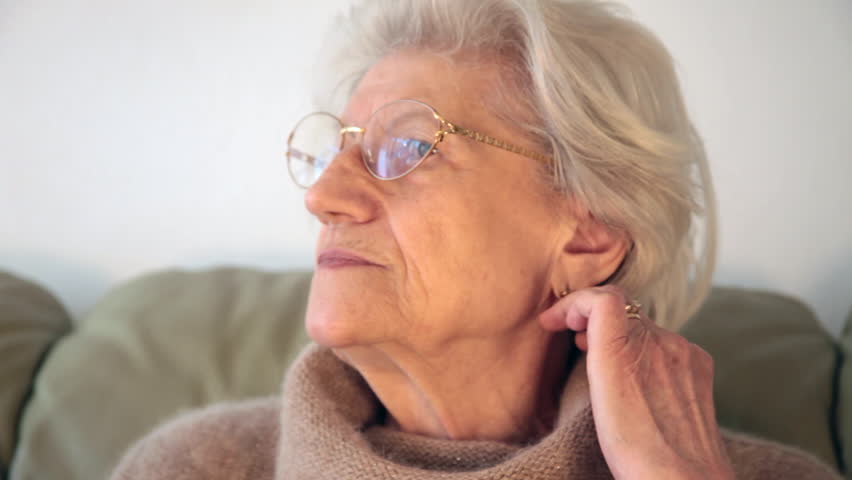
alzheimer's stress

Tips to help you reduce stress and minimise risk for dementia 

A bit of stress in life is stimulating but when it becomes excessive and chronic, the results are destructive. In order to have a healthy life after middle age, it’s important to manage and reduce stress levels as much as possible. Experts suggest that people engage in therapy and activity.

Here are some great tips to help reduce stress:

  • Keep a positive attitude. There are times when it is difficult to be positive but don’t dwell on negative thoughts. Have a positive attitude towards yourself to boost self-esteem.
  • Stay connected socially with friends and family. Research shows that loners are more likely to be depressed. Keep strong social ties and have fun with friends and family.
  • Remain active. Physical activity is one of the best defences against dementia. It helps the body maintain normal hormone levels as well as blood pressure and blood sugar levels. It also raises endorphin levels and puts you in a good mood.
  • Eat a healthy diet. Diets high in sugar, processed foods, alcohol and saturated fats cause a number of health issues that affect mind and body. Experts suggest following a diet plan that contains a lot of fresh fruit and vegetables, beans, nuts and whole grains.
  • Sleep well. Sound sleep for 7-8 hours gives the body natural stress relief.
  • Practice mindfulness. Activities such as meditation, yoga, tai chi or laughing exercises will help you de-stress, relax and raise your mood, lowering cortisol and adrenaline levels at the same time!
  • Keep your brain busy. Learning new things in life is fun and important for maintaining cognitive activity.
  • Stay healthy! A healthy body keeps the brain healthy. Quit smoking, maintain a healthy weight and have regular check ups with your doctor as well as your dentist.


It is quite unsettling to consider that our stressful lives could ultimately lead to dementia. Statistics show that in Australia alone, there are 413,106 Australians living with dementia and 55% are women. Every six minutes another person in Australia is diagnosed with dementia. It is of utmost importance for everyone to reduce the effects of severe stress, at any age, and minimise risk for dementia.

Leave a Reply

Your email address will not be published. Required fields are marked *

Advertisement
Advertisement
Advertisement

Aged care assessment tool identifies gaps in dementia knowledge and practice

More than one-third of aged staff do not consult the resident when developing support plans. Now, a new dementia practice assessment tool can identify gaps in staff’s dementia care knowledge – and how to address them. Read More

Chemical restraint recommendation could lead to “substitution” of other drugs: royal commission

The royal commission’s proposed changes to the use of chemical restraint in aged care are mostly positive, but making it much harder to obtain prescriptions for antipsychotics could have unintended consequences, such as pushing residents onto other powerful medications, says a highly experienced aged care pharmacist. The commissioners have recommended that as soon as 1 November 2021, only a psychiatrist or geriatrician will be able to “initially prescribe” antipsychotics for aged care residents (recommendation 61). After that initial decision, GPs will be able to issue repeat prescriptions. Read More

Doctors regularly miss dementia in their patients

A UK study has found that in nearly 40% of cases, doctors aren’t aware that patients they are treating have dementia. A study by the University College London found that medical staff are regularly treating patients without realising the patient has previously been diagnosed with dementia. The researchers say elderly people who are living with dementia are being sent... Read More
Advertisement
