Antipsychotics have a number of functions – they can are primarily used to manage psychosis, which can include delusions, hallucinations, paranoia or disordered thought.
They are essentially major tranquilizers, which can help subdue a person with particular symptoms. Antipsychotics are most commonly given to people with schizophrenia or bipolar disorder.
However, it’s not uncommon to see antipsychotics being prescribed to aged care residents – particularly to those with dementia.
For people with dementia, the type and severity of their symptoms can vary from person to person.
Aggression is not uncommon in people with dementia, and some people with Lewy Body dementia experience hallucination – here, antipsychotics may eliminate or reduce the intensity of those symptoms.
However, it should be noted that there are potentially serious side effects when taking antipsychotics – and that health professionals should be wary of how often they prescribe them.
The Alzheimer Society of Canada has stated that antipsychotic medications are not meant for people with dementia.
“If someone is acting out, is agitated, is restless or even aggressive, then these medications are sometimes prescribed, and unfortunately quite often, to manage those behaviours.”
“When it’s used for dementia, it’s a different kind of condition and not really meant for people with that kind of condition,” Mary Schultz, director of education at the Alzheimer Society of Canada in Toronto told the Cape Breton Post.
“In the case of dementia, they are well known to cause confusion — the last thing we need when someone has already lost some of their ability to think.”
“[Death] is the most serious side effect, of course. They do increase the risk for death in a lot of people.”
Antipsychotics have been used, by some, as a way to subdue their residents – especially if they have “challenging” behaviours. But in subduing them, they can actually be put more at risk.
“If an elderly person falls and breaks a hip or gets injured in any way they are more likely never recover at all, or to get back to where they were before.”
Schultz says that concerned friends and families should ask questions about the medication that is prescribed to their elderly loved ones.
“Why are they on this medication? Have we really exhausted all the non-medication ways of managing whatever the problem is?”
“Most of the time non-medication approaches can bring out a better result than medications can,” said Shultz.
Though it should be noted, that in some situations, the use of antipsychotics is appropriate but it is necessary that the dosage and duration and carefully monitored.
What do you have to say? Comment, share and like below.
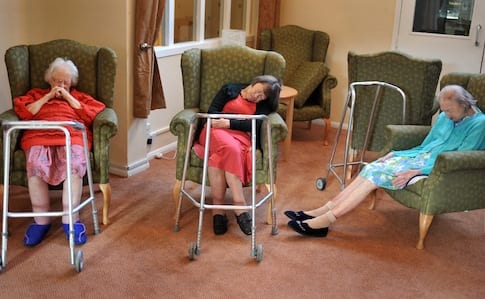
Please note: The image used to illustrate this article does not represent actual people or events.



The most important thing is to try to identify behaviour triggers.
Simple answer is NO in pretty much every case! We have enough evidence to show that they are ineffective, dangerous and for many deadly. You cant resolve distress and unmet needs by drugging someone!
Training,, music , more staff and time to care for these folk .
They are humans with lives lived, they have laughed , cried , have feelings they now can’t express who need compassion caring staff to help them live smile and be the best they can be.
When you see person understand who and how this person lived it’s easier to help them.
Actioning Change for Age Care is looking for people to come forward and express their concerns regarding the chemically restraining of dementia and other residents in care ,that have been chemically restrained with out authority of EPOAs and families.