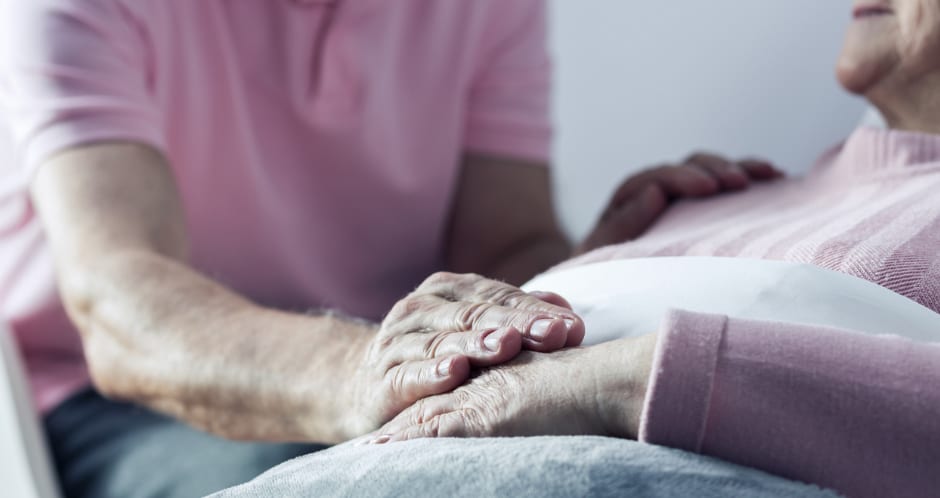
Voluntary assisted dying is now one step closer to becoming a reality in Victoria, after the bill was passed by in the lower house.
After a 24 hour meeting – where MPs had a debate overnight that ran well into Friday morning – the Voluntary Assisted Dying Bill passed 47 votes to 37, after a conscience vote.
The decision came just after 11am on Friday, with the sitting over the bill beginning on Thursday at 9.30am.
The marathon meeting went throughout the night and MPs only took two short 30-minute breaks during the whole session.
“My colleagues and I are very proud,” Premier Daniel Andrews said on the steps of Parliament.
“We have taken a very big step towards giving many, many Victorians the dignity and compassion they have been denied for far too long,” he said.
“This is extraordinary and public life is about getting the big and important things done and this is big and it’s very, very important.”
Those in support of the bill included the majority of Labor MPs two Greens, two independents and a small number of Coalition MPs.
After a marathon all-night debate, our legislation to allow voluntary assisted dying has passed the lower house of the Victorian Parliament.
— Daniel Andrews (@DanielAndrewsMP) October 20, 2017
However, this isn’t the end of the line for Assisted Dying laws, as the bill now has to be passed by the 40-member Upper House.
It is expected that this will occur in a fortnight.
“We still have a way to go,” said Andrews.
“I don’t take anything for granted there … but this is needed and the time has come to write this into law”.
Should the laws pass, Victoria would be the first state in Australia to offer an assisted dying regime.
It would mean that those who are suffering from “a serious and incurable condition and at the end of their life” will be allowed to seek voluntary euthanasia. However, the law won’t come into effect until 2019.
It is also required that the person is over 18 years of age, a Victorian resident and an Australian citizen.
Only those with decision-making capacity and are at the end stages of their life are qualified for assisted death.
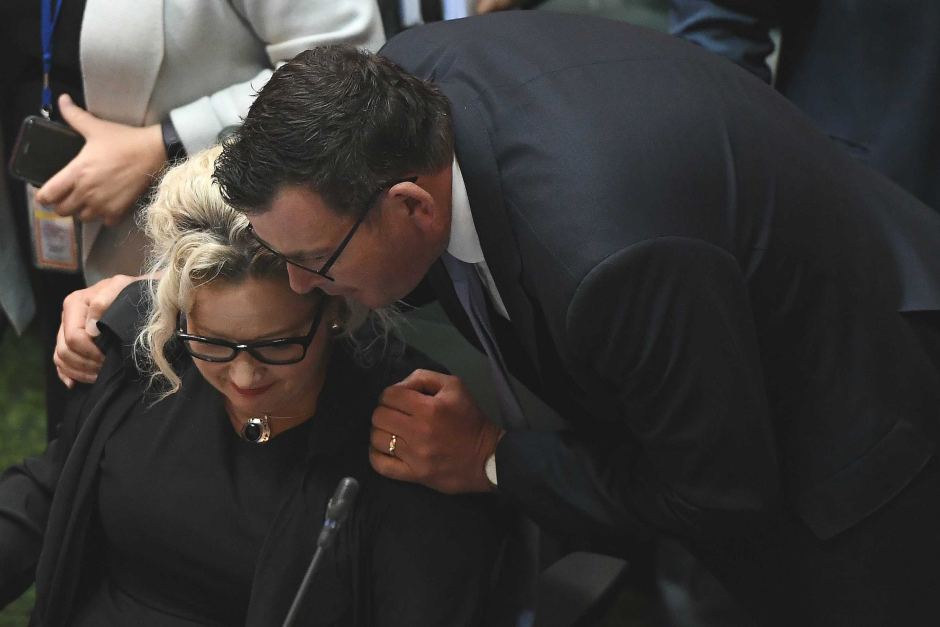
Previously against assisted dying, Andrews views changed following the death of his own father after a long battle with cancer.
Andrews told Fairfax media that he hoped “that this debate is conducted in the spirit of respect. My own conscience tells me that this is the change that needs to be made.”
Health Minister Jill Hennessy is also supporting the bill, with her own personal family tragedy shaping her views – her mother’s life long battle with multiple sclerosis.
Andrews praised Hennessy for championing the bill, while other colleagues congratulated Hennessy for her work guiding the legislation through the lower house.
Euthanasia advocate Andrew Denton was among members of the public in Parliament to watch the vote.
What do you have to say? Comment, share and like below.



5