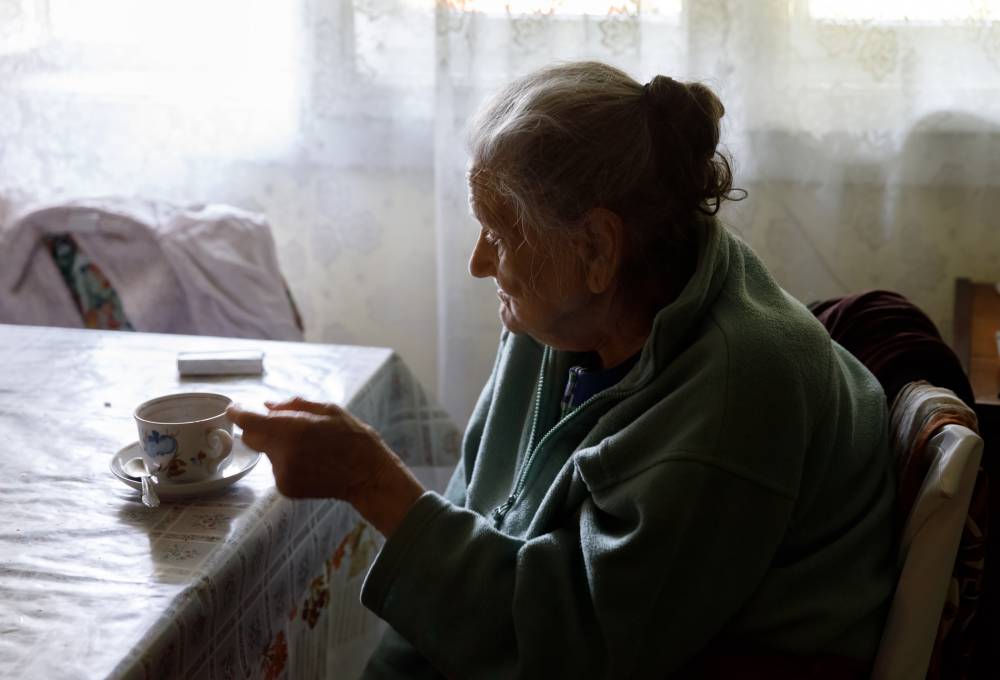
The British government could instruct people over 70 to stay at home in strict isolation until July in a plan being considered by the government and expected to be implemented in the coming weeks.
The proposal raises the question, how can we help older friends and family if they become, either by government decision or their own choosing, isolated in their own homes?
Britain’s proposed restrictions could affect over six million people and would apply even to those showing no symptoms of coronavirus.
The plan caused confusion in the UK over the weekend after it was leaked to the press and reported without any supporting official government announcement or detail.
To improve the flow of information, prime minister Boris Johnson has said he will now hold a press conference every day to keep the public up to date with the government’s plans and decisions.
Britain’s health secretary Matt Hancock confirmed on Sunday self-isolation is part of the government’s planning
“The protection of the vulnerable and elderly by asking them to stay away, to stay at home, that is in our action plan,” he told the BBC.
“But we do not want formally to say yet that people should do that.
“The reason for that is simply this length of time that they’d need to stay self-isolated, stay at home to protect themselves – it’s a very big ask, it’s a very long time.
“We do know that if you ask people to do this sort of thing they can tire of it; we know it has negative impacts.”
“We’ll be setting (the plan) out with more detail when it’s the right time to do so,” he said.
Here in Australia, older people may choose to stay at home as much as possible while the threat of contracting or spreading coronavirus remains in the community.
With older people more likely to be baled up at home, there is an increased likelihood they will encounter a range of problems, from loneliness, to not being able to get enough food, to not being able to access medical help.
If you are well, there’s nothing to prevent you from visiting an older person who may be feeling isolated in their home.
In these times of crisis, we should all be reaching out to friends and family and the people in our communities to check up on each other, to make sure we are all okay, and older members of the community often need the most assistance and are particularly vulnerable to the threat of coronavirus.
Of course, anyone visiting an older person must practice good hygiene to protect themselves against infection and also to prevent passing on any infection.
Ways you can help older people who may be feeling isolated in their homes are:
Of course, anyone visiting an older person must practice good hygiene to protect themselves against infection and also to prevent passing on any infection.
The government’s dedicated coronavirus website states that good hygiene includes:
What do you think? Should older people be forced to self isolate to prevent the spread of the coronavirus among the most vulnerable?


