It appears that Bupa Traralgon has been issued with sanctions, only months after previous sanctions were lifted.
Bupa has eight nursing homes under sanction at the time of publishing, and four have been issued with notices of non-compliance, according to the My Aged Care website.
Bupa Traralgon’s sanctions do not appear on the My Aged Care website, as the company waits to meet with residents and families on Tuesday 7 May 2019.
A spokesperson for the Department of Health issued a statement to HelloCare stating that Bupa Traralgon was issued with sanctions on 27 July 2018, and those sanctions were lifted on 27 January 2019 after the Aged Care Quality and Safety Commission provided evidence the facility had returned to compliance.
An audit by the Commission in December 2018 found Bupa Traralgon met all 44 quality standards.
Carolyn Cooper, Chief Operating Officer, Bupa Aged Care Australia told HelloCare she was “disappointed” in the Traralgon nursing home, and said more work needs to be done at the home.
“Bupa takes the Department of Health’s sanctions and non-compliance notices extremely seriously, and we are disappointed this has happened,” she said.
“We have invited residents and relatives of Bupa Traralgon to a meeting tomorrow to talk through what this means and what actions we are taking to continue improvements at the home,” Ms Cooper said.
The Department of Health told HelloCare it will publish information on the latest compliance action against Bupa Traralgon after the meeting with residents and relatives.
Ms Cooper said the operators has implemented significant improvements at Bupa Traralgon.
“In recent months we have appointed new management at the home, recruited additional staff and changed our complaints and medication management processes.
“There is more work we need to do and we will work with an independent advisor and administrator to embed sustainable improvements at the home,” she said.
How must the families of residents at Bupa Traralgon be feeling?
Australia has systems in place that are supposed to keep our oldest citizens safe and ensure they receive appropriate care.
Quality and safety standards set benchmarks for quality care, and the Aged Care Quality and Safety Commission’s audits are supposed to ensure nursing homes are adhering to these standards.
Sanctions are supposed to be the highest penalty an aged care facility can face when they fail to meet the standards, short of deregistering.
What is the public, residents, and families to think when a sanctioned nursing home passes an audit with full marks, causing sanctions to be lifted, only to fail an audit a few months later and sanctions reimposed?
What does this incident say about the accuracy of aged care audits? What does it say about some operators’ attitudes to compliance?
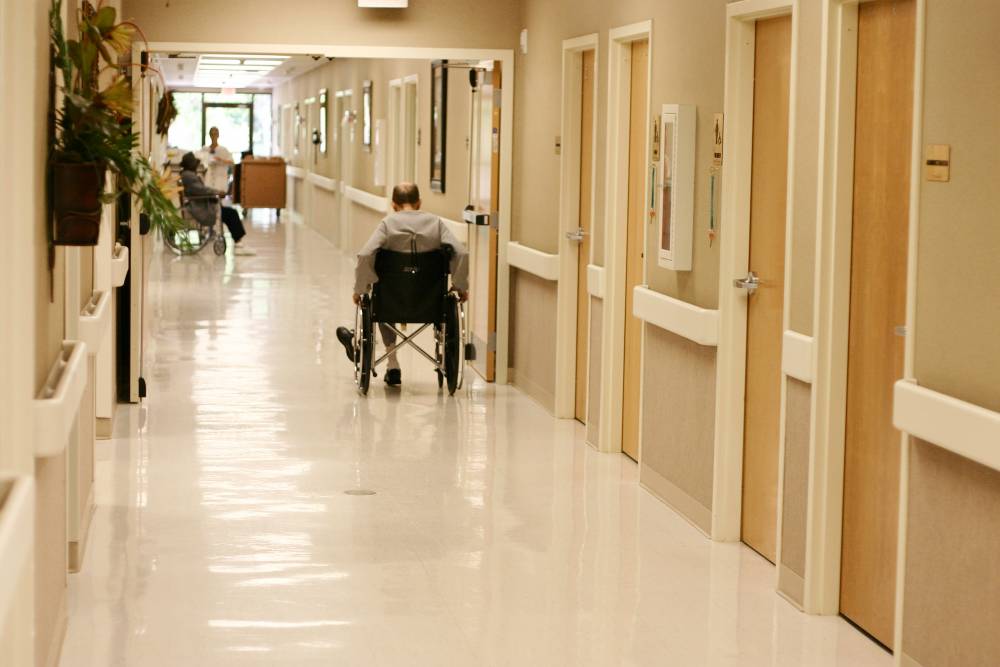
Please note: The image used to illustrate this article does not reflect actual people or events.
Image: iStock.





