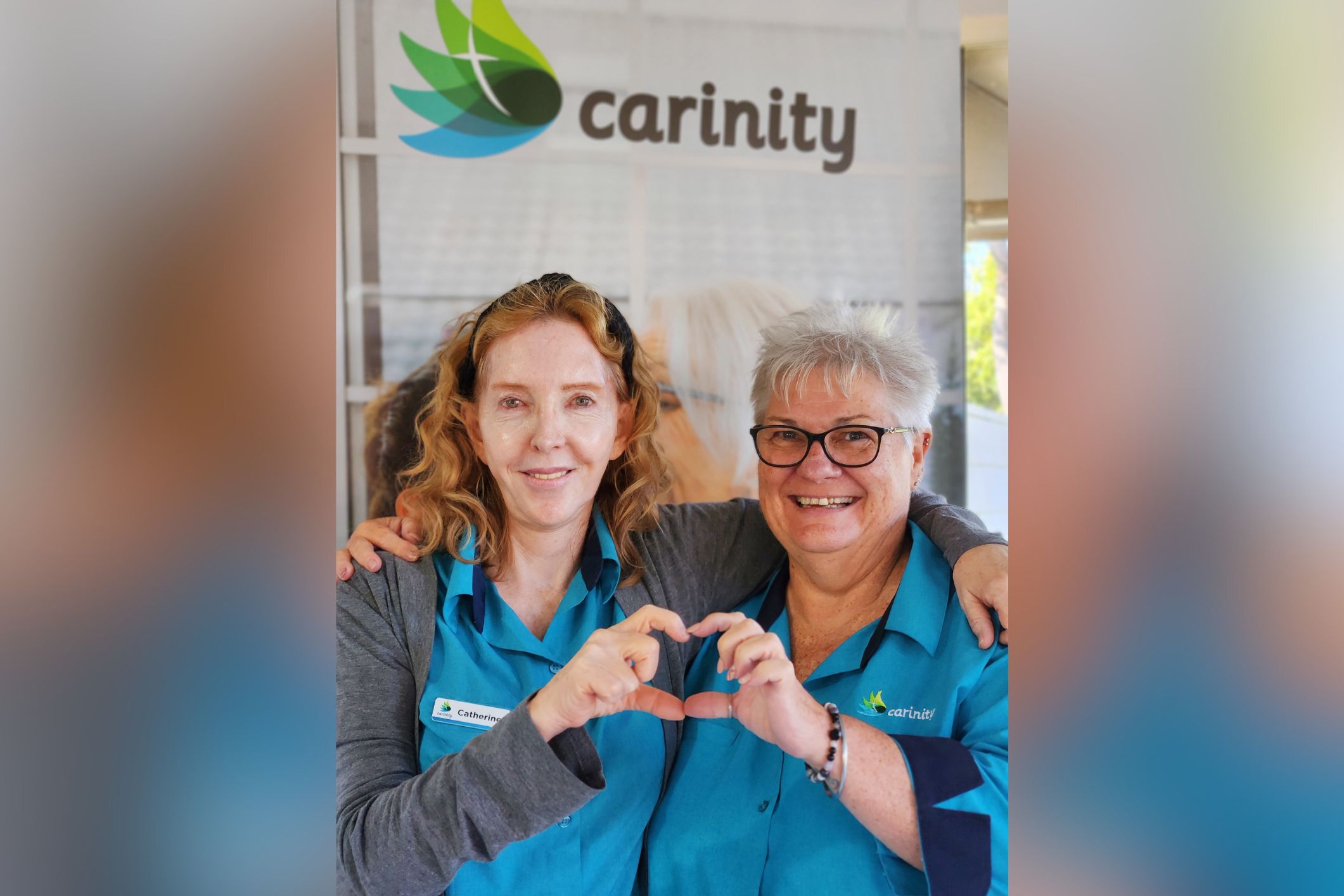
Catherine Lee used to be a pre-school teacher. Now she supports people at the other end of the age spectrum – and she loves her work.
An enrolled nurse who has supported Bundaberg seniors for seven years, Catherine made the transition from child educator to Carinity Home Care nurse when “midlife hit”.
“I had accomplished what I wanted to do as far as teaching was concerned. I was encouraged by a colleague to give nursing a try,” Catherine said.
“It was not on my radar, but I did some research and decided to start slowly. I enrolled at the local TAFE and never looked back. I loved it.”
Motivated to help others, Catherine enjoys the unique nature of community nursing and caring for seniors in their home.
“Community nursing allows you to build a rapport and build strong relationships that you don’t get to do in a more formal setting,” she said.
“We provide holistic and more individualised care. Our main priority is to make people comfortable and safe in their own home.
“I enjoy getting to know each and every client. Often, they are sick, vulnerable and lonely. The joy I receive from helping to foster independence – whether it be through seeing a wound healed or sitting and letting a lonely elderly person talk – brings me joy each day.”
Catherine and other Carinity nurses will be celebrated on International Nurses Day on 12 May.
Catherine’s colleague at Carinity Home Care Bundaberg, Helen Kinch, “always knew I wanted to be a nurse”.
“My first job after school was working at the local nursing home. During our breaks we would sit in the courtyard or the library and talk with the residents. It was a special time for me,” she said.
“I have worked across most clinical environments including private, public and community nursing. Each new experience teaches you a little more about yourself and how you connect with others.
“What I most enjoy about being a nurse is the little things, from the first ‘hello’ to the last ‘goodbye’. It’s the consumer’s stories, heartfelt gratitude and being able to assist them in a small way to achieve good health and improved quality of life.”
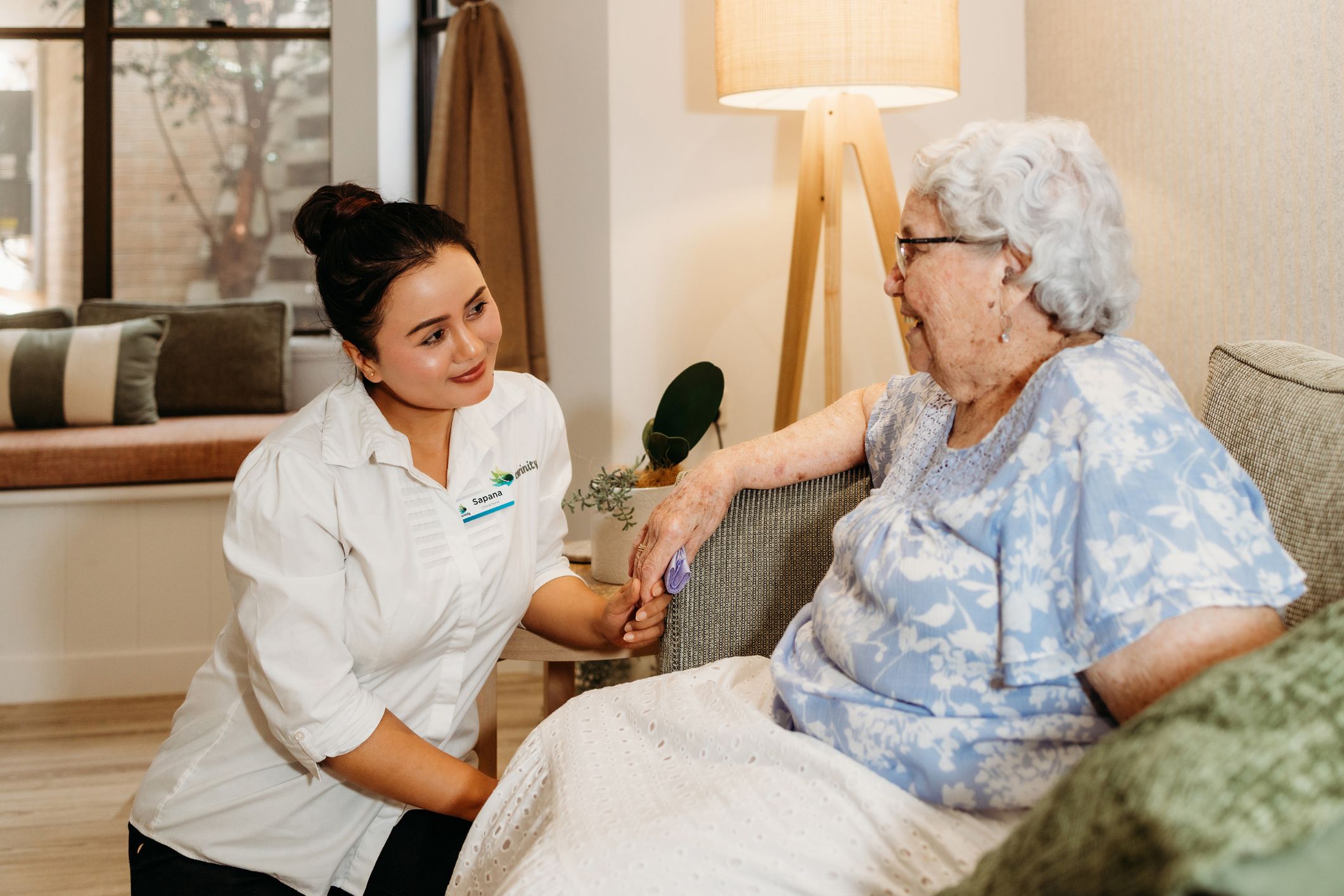
Sapana Hamal has worked at the Carinity Clifford House residential aged care community in Brisbane for six years.
“Working as an aged care nurse requires a lot of kindness, compassion and empathy. This aligns with my personality,” Sapana said.
“We not only make the residents’ day better, but we also make a positive difference to their overall quality of life, which is profoundly rewarding.
“Working with others in a role that feels like it truly means something is an important life pursuit. For me, there is no real substitute for the intensely rewarding nature of working with the elderly.”
Executive Manager of Carinity Residential Aged Care, Heidi Wiebe, thanked Carinity’s nurses for their inspiring dedication, compassion and resilience.
“Their tireless efforts are not only appreciated by our residents and their families but also by the entire Carinity team. The impact nurses make on the lives of countless individuals is profound and deeply valued,” Heidi said.
“Today, and every day, we honour and appreciate the invaluable contributions of nurses worldwide.”


