
It’s the photograph that will break your heart.
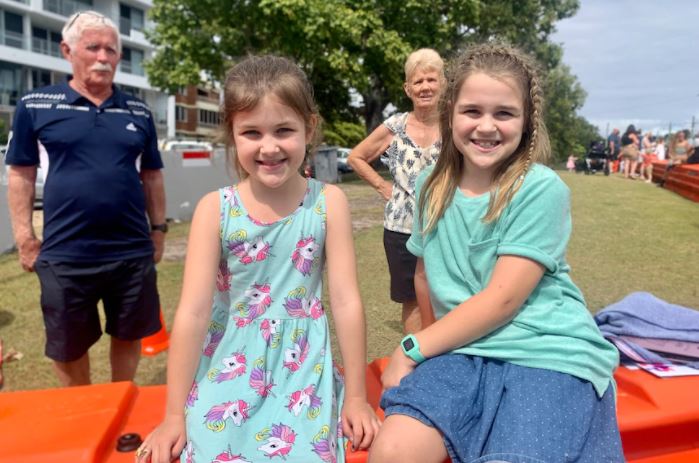
An elderly woman sits alone on her walking frame at the Queensland-New South Wales border waiting to see her great-grandchildren, moments before her town is plunged back into lockdown.
Similar poignant scenes are replicated on any given day at the border barrier, with families separated for weeks and months at a time.
Advocacy groups say the elderly are the most at risk of developing mental health issues, feeling isolated, and their cognitive ability declining, as a direct result of COVID lockdowns and border closures.
“The sad thing is that’s the tip of the iceberg,” said Philip Armstrong, chief executive of the Australian Counselling Association.
“There’s a lot of the elderly who can’t even do that, who can’t even make it down [to the border] because of mobility issues.”
Mr Armstrong said lockdowns had also caused increases in anxiety and depression in older Australians.
He said in addition to “enforced isolation” many elderly fear going out and contracting COVID.
“And lots of them struggle with mobile phones, they struggle with computers — a lot of them are not being heard,” Mr Armstrong said.

Elderly Gold Coast resident Mo Ors said she had become a “recluse” since the pandemic began.
“I don’t go out, I get groceries delivered. I have a support worker who helps me because of my age. I have a disability and problems with my health,” she said.
“I couldn’t see family for a while; we’ve missed celebrations, weddings — milestones that we’ve missed and will never come back”.
Ms Ors said knowing there were people in the community who did not believe in the virus and vaccines had added to her anxiety.
“I’m very anxious because there’s a lot of people who are against the science and it’s creating friction in the community,” she said.
“I’m worried about what can happen; I feel unsafe in my own home.”
Older Persons Advocacy Network chief executive Craig Gear said some elderly residents living alone or in aged care had not seen people face-to-face for over 18 months.
Mr Gear said the network has been calling for the introduction of a “partners in care” program, which would allow an essential person in an elderly person’s life to be allowed to regularly visit them.
“We’re really worried about the physical decline and the cognitive decline of people during these extended lockdowns,” he said.
“It also really affects people on these border towns who aren’t able to go across the border into the Gold Coast or into Tweed Heads and see family and friends as they normally would.
“It has an ongoing impact on people’s mental wellbeing.”
This article was originally published by the ABC


