The holiday season can be a joyous time but also challenging for people impacted by dementia.
This Christmas and holiday season Dementia Australia is calling on the community to support the wishes of people living with dementia, their families and carers.
For many their ‘Christmas wish’ is to have their loved ones with them, engaged in the festivities and surrounded by family and friends.
Carers and people living with dementia made their own videos and sent them in to Dementia Australia to share their wishes for the festive season.
A really powerful wish and message sent in by a family carer who’s parent is living with dementia was:
“My dad’s got dementia. This Christmas my wish is people learn to see the man behind the disease”.
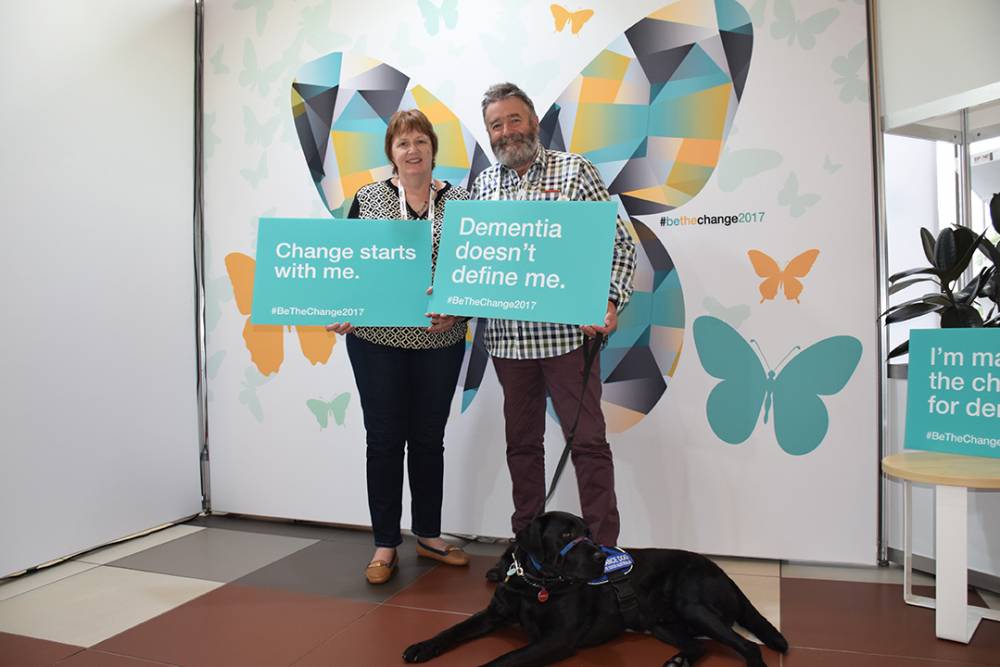
Each person is unique, with their own life history, personality, likes and dislikes. By seeing the person for more than their diagnosis.
Kiran Glennen, who is living with dementia, said it is an opportunity for laughter, merriment and gift giving. He also hopes that it provides all the generations with memories that are cherished forever.
“I love to hear my family laugh,” Mr Glennen said.
“Christmas is a time for family to come together and it means I am surrounded by love and acceptance and am not defined by a disease that has changed my life,” Mr Glennen said.
For some it’s about the importance of giving back.
Isabelle Burke who is caring for her mother living with younger onset dementia said when they were children her mother made a big effort to make Christmas a special family day.
“Now I feel it’s so important to make Christmas day special for her by bringing us kids together to spend the day laughing and having fun with her,” she said.
And for others it is cherishing the times that they have together now.

Bobby Redman, who is living with dementia, said Christmas is a family time.
“It is particularly important for me to enjoy this time with my family while I am still able to engage with them and enjoy the festivities,” Ms Redman said.
“I am conscious that future years may be different and of the importance of enjoying Christmas with my daughter and grandsons.”
For everyone looking at the bigger picture it’s about wishing for a cure.
Dementia Australia CEO Maree McCabe said whatever people’s ‘Christmas wish’ might be Dementia Australia needs the support of the community to continue to provide the services and programs that empower and enable all Australians living with dementia, their families and carers to experience the best possible care, lifestyle and health outcomes and to help to fulfil on these needs and wishes as much as we can, especially during the holiday season.
“Our Christmas wish is to inspire all Australians to act to support the 413,000 people, of all ages, living with all forms of dementia in our community by donating to this year’s Christmas fundraising appeal.
“Every year we support tens of thousands of Australians through our counselling and support services,” Ms McCabe said.
“This includes emotional and psychological support for everyone involved to develop strategies they can use to prepare for the feelings that inevitably are heightened when families and friends come together during the festive season.”
Ms Redman said having people who understand makes the world of difference.
“The staff at Dementia Australia understand my situation without the need for me to constantly explain. This takes a lot of pressure from me and makes me feel supported and less afraid. I no longer feel alone,” Ms Redman said.





