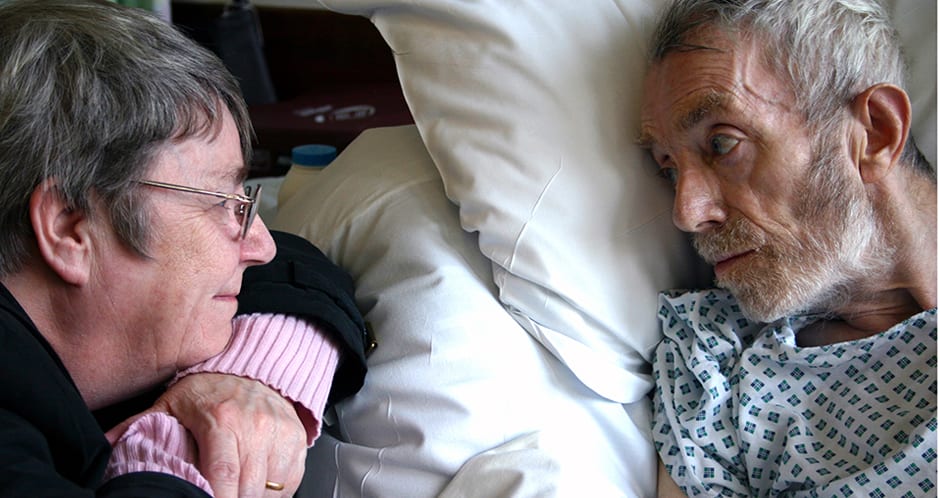
Dementia can cause rapid degeneration of abilities that came so naturally previously before the diagnosis. As people living with dementia’s symptoms progress they may appear at some stage to be unresponsive and apathetic. Apathy in someone living dementia can be seen as: loss of motivation, diminished initiation, low social engagement, poor persistence, lack of interest, and or insight.
Apathy has historically received less attention than other symptoms in dementia, such as depression, aggression, agitation and psychosis. Although this appears to be changing as more research is initiated in the area about the condition.
In the early stages of dementia a person may begin to withdraw because they are aware of what’s happening to their mind and it’s their own way of coping to avoid possible perceived embarrassment or increased anxiety. They might also inadvertently develop feelings of depression and feeling dejected. It is important to engage people with dementia and to try not to treat them differently.
For people with moderate to advanced stages of dementia
Apathy can lead to decreased function.
One study determined that an apathetic person with dementia is nearly three times more likely than those without apathy to be impaired in day-to-day activities such as dressing, bathing, walking, eating and using the toilet.
Cognitive dysfunction ,or brain fog, as it’s called is the loss of these intellectual abilities.
Apathy again has been linked to executive cognitive dysfunction. For instance a study that compared 184 patients with probable Alzheimer’s Disease found that apathetic patients had substantially poorer performance in verbal fluency, word-list learning, naming, and set-shifting than those without apathy. Which is mostly thought to be due to not having any interest or initiative, which makes it difficult for people with dementia to use their remaining cognitive function.
Families may notice that the person becomes less agreeable to take medications or seeks alternative therapies not only for dementia but also for other health conditions. People showing signs of apathy can also become more dependent on their caregiver, even for things they can do on their own. Although not been proven directly in studies it is thought that people with apathy may require home care or residential aged care before other patients with dementia that do not have apathy.
Dementia is a neurodegenerative brain condition that adversely affects the ability to plan and execute tasks. The frontal lobe area of the brain is particularly affected. The result of frontal lobe degeneration is a lack of decisiveness and judgement as to how a task can be finished.
Mental abilities used for simple tasks in people without dementia become difficult starting from the early stages when someone is first diagnosed, often causing frustration. The person with dementia is aware that they have lost this ability, which further adversely affects their self-esteem and confidence.
Medications and rapid progression of the illness can also leave the person feeling isolated, encouraging them to further withdraw from social activities and engagements. Medications that have the side-affect of drowsiness will leave the person without much energy to interact with others.
Reaching out takes some effort on the part of loved ones, especially if they are feeling uncomfortable or unsure how they can best support or engage with the person with dementia. One approach is to reassess the activities offered to the person. Playing complicated games that require a lot of mental effort and stimulation may not be suitable for a person with more advanced. dementia. There is not one game that “fits all” people with dementia as everyones needs are different. Therefore if you find that they are having trouble keeping up and appear uncomfortable then perhaps suggest an alternative activity that it more suitable.
Another valuable way to build trust and bond with your loved one is to use therapeutic touch to calm and support them. Studies show evidence that gentle touch reduces the restlessness and agitation experienced by nursing home residents. Using touch and eye contact can be used to get the person’s attention and communicate feelings of warmth. If on a walk and the person seems to forget where they are or where to go, this can trigger some agitation. It is easy to use touch to bring them back to the present and calm them down.
Music therapy also has a number of benefits for people with advanced stages of dementia. Similar to touch, sound is a tactile mechanism that works on very basic level. Music and sound can trigger memories of happier times, calming the person down. This is attributed to its activation of neural networks at some of the earliest stages of life. Even babies within the womb are believed to be able to hear inside the womb after 16 weeks of pregnancy. Listening to music can provide a sense of connection for people living with dementia even after cognitive and speech skills have regressed.





5
2