With the growing number of people with dementia living in the community, it’s necessary that society adapts to be more inclusive.
This not only means having more dementia and healthcare services available – but allowing people with dementia to go about regular activities with ease.
Some examples are using clearer signs and less harsh lights in stores and other businesses.
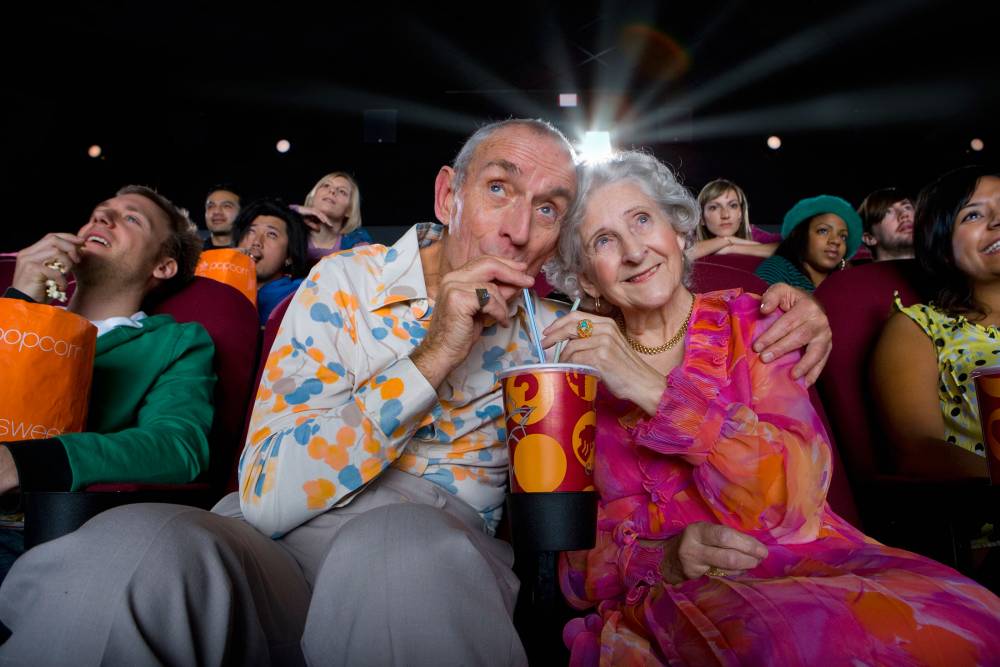
In the UK and Australia alike, there has been a great success with “mums and bubs” film screenings, which was created for mums with young children, so a similar program for dementia could be adapted for people with dementia.
According to UK Cinemas Association, people with dementia and their carers are one of the fastest growing audience trends following baby-friendly screenings.
Starting more than two years ago as a pilot scheme, there are now more than 400 cinemas that have dedicated dementia-friendly screenings.
It was found that the most popular kinds of films for this audience were musicals – it’s commonly researched that music can be soothing to people with dementia.
Classics films such as Seven Brides for Seven Brothers, Singin’ in the Rain and Calamity Jane are appropriate for dementia audiences. As well as modern films like the remake of Dad’s Army and modern-day musical La La Land.
The volume is kept low, as not to upset the audience, and the lights are left on so that they are aware of their surroundings.
There are even cups of tea on offer, instead of the more traditional coke and popcorn combo.
The aim of these changes, it to make the cinemas as comfortable as possible for people with dementia.
“We have seen cinema take on a broader role over the last decade, with parent and baby screenings, silver screenings for older customers, and autism-friendly screenings. And now we have dementia-friendly screenings,” said Phil Clapp, the association’s chief executive.
And the halls are adapted with the swirly carpets designs and large mirrors being covered as these can sometimes distress people with dementia.
Emma Bould, The Alzheimer’s Society project manager, said of the changes “for people with dementia, patterns on carpets can be quite disorientating. A black mat on the floor can also look like a hole to someone with dementia, as the condition can bring visual and spatial difficulties.”
“We advise cinemas to cover up the carpet where possible, and to cover up mirrors as they can be disturbing.
“Leave the lighting on low, so it’s easy for people to get around. But the big misconception is that we need to turn the volume up for older people with dementia. Actually, we suggest you turn the volume down, as a big crescendo can be startling.”
“Typically, classic movies can stimulate memories, and music is a powerful tool in reminiscence,” said Bould.
And the films-goers aren’t exclusively just people with dementia and carers – many people are accompanied by their children, partner, even grandchildren and great grandchildren.
And these tips don’t just apply to cinemas – people can have dementia friendly movie nights in their own home with their loved one.
Just because a person has dementia, doesn’t mean they shouldn’t be able to enjoy the activities they like doing with their families.
What do you have to say? Comment, share and like below.


