
The different care models for people with dementia are heavily discussed and this type of program prides itself on being more like a retreat rather than a respite.
Group Homes Australia (GHA) recently held its first Rementia Together Retreat at the end of August, offering people with dementia and their support partner the emotional, psychological, and practical skills to live a fulfilling, empowered life post-diagnosis.
Since the five-day retreat, Denise and Stephen, both 68, have learned how to adjust their life to accommodate Denise’s Alzheimer’s disease diagnosis which she received in September 2022. Having heard from different guest speakers and connected with a group of people in a similar position, the Sydney couple’s outlook has changed and now have a support network to lean on.
“You don’t have to explain because they already know,” said Denise.
“If you were meeting someone who didn’t know about your diagnosis, it would be really difficult. In fact, I don’t bring it up with people I don’t know because sometimes you can see in their facial features that they don’t know how to react.
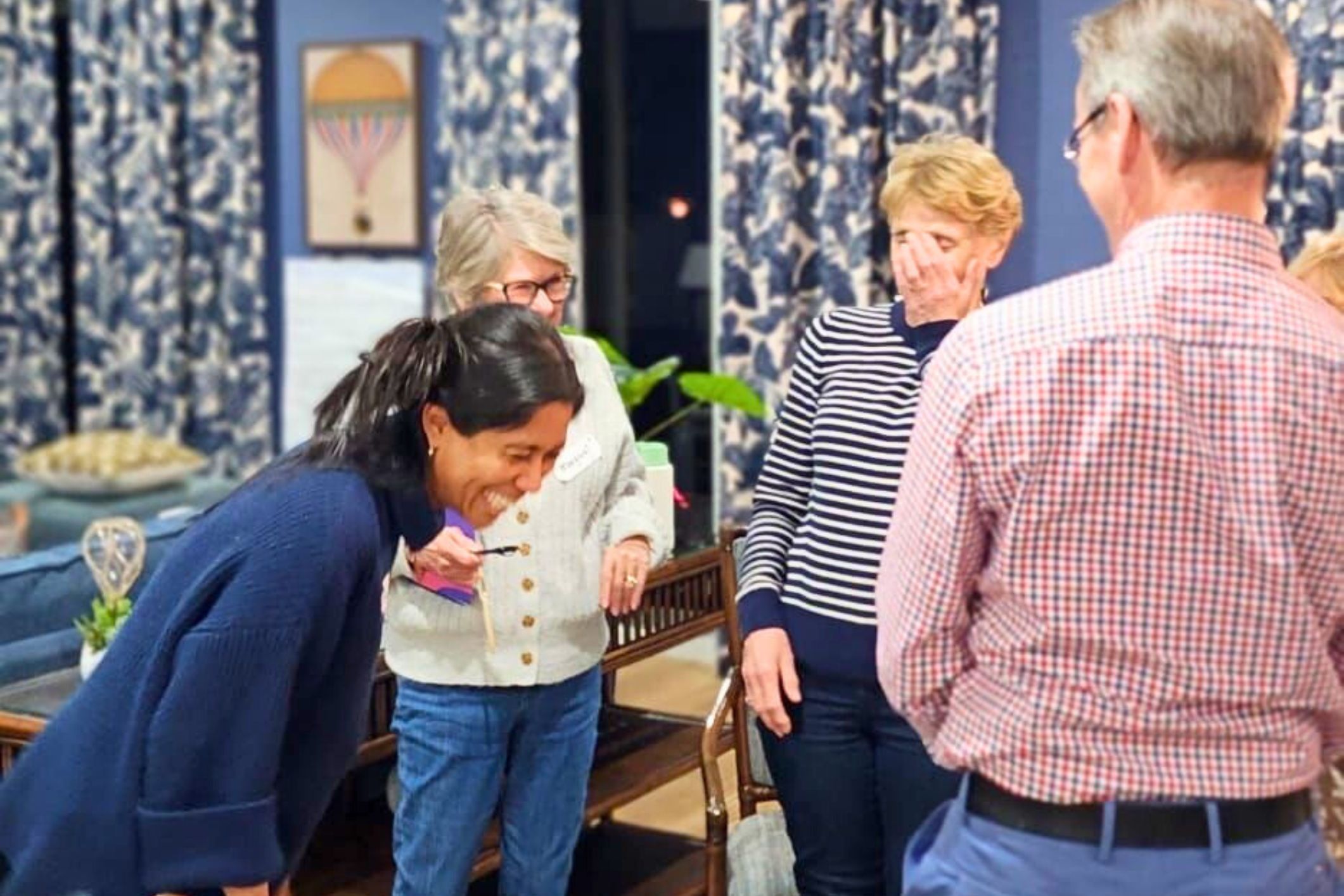
Stephen gravitated to the concept of ‘rementia’ because it encouraged Denise not to shut down or limit her own abilities just because she had a diagnosis.
This works on a framework based on re-positioning ‘dementia’ (to be ‘without the mind’ in Latin) to ‘rementia’ (to ‘return to the mind’ in Latin).
Stephen explained that “Denise was in the headspace of ‘I can’t do that because I’ve got dementia’. She’d also often be a spectator at social events in fear of saying something silly.”
“But this concept says it’s about doing things differently and adapting instead of saying that you can’t do something. I think that’s made a big difference because you can still live a great life with dementia.”
The couple learned new tips and tools to adjust elements of their life to allow Denise to live freely.
One way Stephen and Denise have done this is by putting protective processes in place – like when she walks to pilates, for example. Denise sometimes gets disorientated when walking and can end up lost but Stephen now uses the help of a mobile phone tracking app to locate Denise if she can’t find her way home.
Denise has also returned to passions like knitting and sewing since her diagnosis outlook has changed.
Similarly, Stephen learnt the importance of communication as the carer or assisting loved ones. He said it was important to know how to phrase things to give Denise autonomy but also to maintain their romantic relationship.
“We learned some words we don’t say, for example, ‘you should do this.’ We don’t say ‘should’, they don’t need to be told what they should do. The better thing to say is ‘have you thought about trying this?’ as a suggestion and let them decide,” he explained.
The concept of ‘rementia’ has been revived by GHA’s Founder and Executive Director, Tamar Krebs.
“We need to help people live beyond their diagnosis. We need to connect them to who they are and give them a sense of rementia – of returning to relevance and purpose and meaning,” she said.
GHA will host 33 Rementia Together Retreats over the next 3 years both in Sydney and rural NSW with five couples per retreat. For more information, visit the GHA website here.



My husband who had been diagnosed with Dementia for 2 years at the age of 62 had all his symptoms reversed with Ayurveda medicine from naturalherbscentre. com after undergoing their Dementia natural protocol, he’s now able to comprehend what is seen. God Bless all Dementia disease Caregivers. Stay Strong, take small moments throughout the day to thank yourself, to love your self, and pray to whatever faith, star, spiritual force you believe in and ask for strength. I can personally vouch for these remedy but you would probably need to decide what works best for you💜.