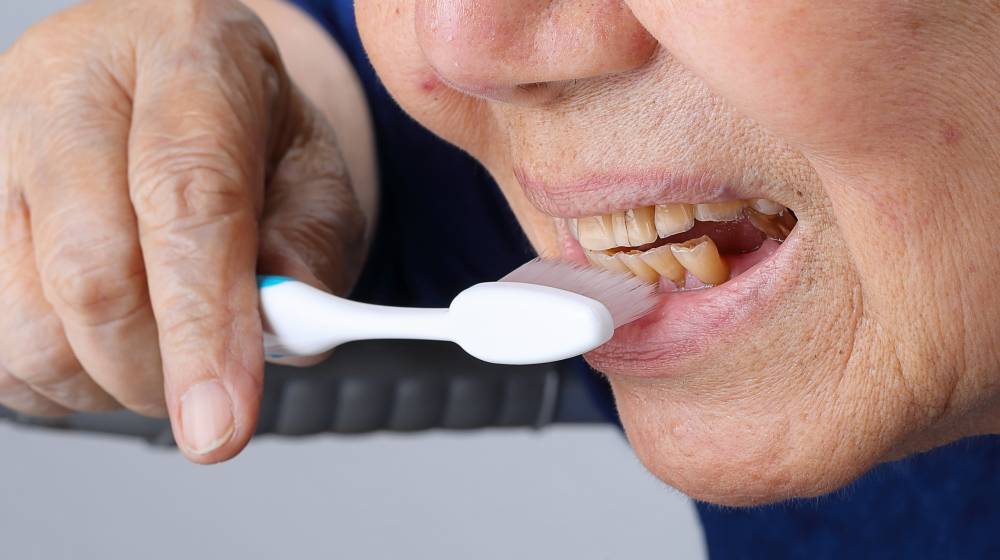
The Australian Dental Association NSW is calling for dental health to be made a priority for all residents in residential aged care.
With Australia’s population ageing, more people are living to older ages and their dental health is deteriorating, sometimes causing extreme pain and even death, Dr Peter Foltyn, head dentist at St Vincent’s Hospital, told The Daily Telegraph.
“There could be a dental armageddon in a few years’ time and people die because of their teeth,” Dr Foltyn said.
He said that he has seen aged care residents in “excruciating pain” in their mouths, and that resolving these problems are often difficult.
Dr Foltyn said people should have a dental assessment at the same time they have their 75-year-old health assessments or when they undergo a health checks before moving into an aged care facility.
Dr Neil Peppitt, president of the ADA NSW said, “Poor oral health can lead to serious problems such as malnutrition, which is associated with an increased risk of infection, falls and fractures.
“Unfortunately, oral health care is frequently overlooked in the aged care setting, as staff may not have the time or training to provide it,” he said.
It can become difficult for older people to take care of their teeth as they age, and so they will often have to rely on others for their dental care.
Conditions such as arthritis and dementia can make it particularly difficult for older people to maintain their oral hygiene.
“Reduced mobility means many residents cannot clean their teeth properly, or visit a dentist for treatment,” said Dr Peppitt.
“We need to make it easier for people to get the care they need.”
Poor dental health can have profound effects on older people’s quality of life.
It may mean older people can’t chew properly, and therefore limit the food they can eat. If people are unable to eat the foods they enjoy, they may eat less, and thereby lose weight and becoming malnourished.
Tooth decay, gum disease, and having a dry mouth – a common side effect of many medications used by older people – can make it difficult to swallow.
Having a dry mouth can also make it difficult to speak, taste and chew, and increases the risk of tooth decay, oral infections, and aspiration pneumonia. Aspiration pneumonia is a common cause of hospital admissions among older people, and can lead to death.
Gum diseases, such as gingivitis and periodontitis, have been found to be good indicators of heart disease. One of the best ways to guard against heart disease is to maintain good oral hygiene.
Poor dental health may affect a person’s ability to sleep and relax because of the discomfort they are experiencing.
Older people may feel their teeth contribute to a decline in their appearance, which can affect confidence, and in turn may make people stop talking to others, or prompt people to withdraw from society. Older people’s teeth can darken in colour due to staining and the thinning of the enamel layer.
Teeth problems can make it difficult to communicate with others, whether it be through having trouble speaking, or through loss of confidence.
People with diabetes are more prone to gum disease, which can in turn exacerbate the diabetes and increase the risk of cardiovascular complications.
Dental plaque and bacterial colonisation of the teeth, gums, tongue and dentures can increase the likelihood older people will develop respiratory tract infections.
Dr Peppitt supports the University of Newcastle’s Senior Smiles program, which puts oral health practitioners into aged care facilities to provide residents with risk assessments and care plans. It can make referrals to other professionals for treatment if necessary, and can provide training for residents, families, nurses and care staff.



Is it an unreasonable expectation of an aged care facility to clean the teeth of a bedridden person with dementia in the evening and to check if their dentures are in for meals? I am very unimpressed my mothers facility didn’t even know her bottom partial plate was missing until we questioned it. Then on Sunday a carer found the top plate wrapped in the bedsheets in the morning, shouldn’t have even been left in overnight. Guess the obvious scenario is the bottom plate has been tossed out with the laundry. What will stop it happening again if we are able to get a dentist to come and make a new set and will she be able to articulate if they fit properly or simply refuse to wear them?