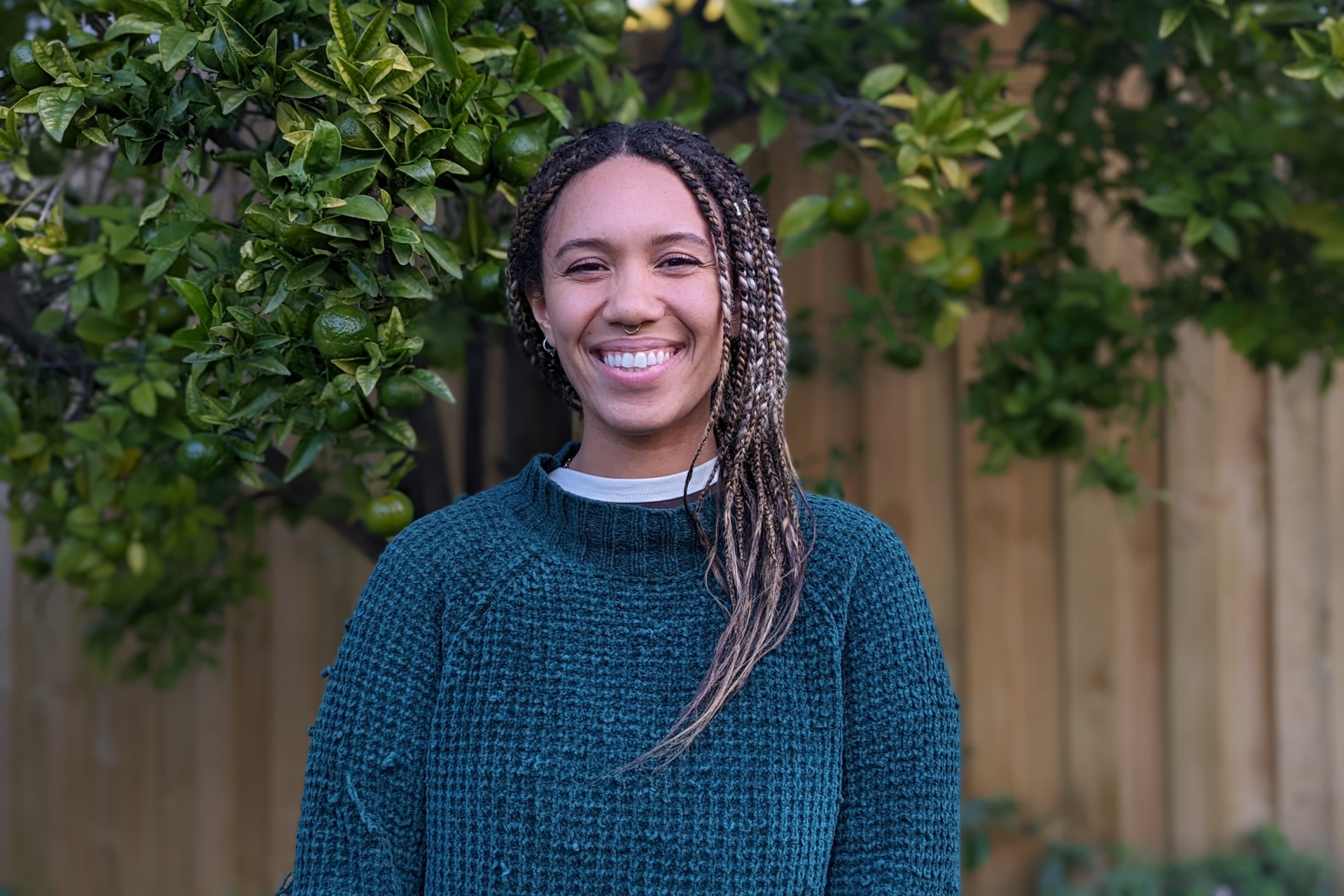
For Izzy, who’s in her 20s, the desire to make an impact in people’s lives has always been a motivating force. Still, after working in a fast-paced hospital environment, she realised she needed a career that was better suited to her need for flexibility, balance, and grounded connections with the people she supported.
This lead Izzy to disability support work and has since found its personalised nature to be a benefit to both her and the people she supports.
“When the person I’m supporting says to me, ‘that was really helpful’, or when they express to me how helping them through communicating their needs or even daily activities around the house has really benefited them or improved their quality of life, seeing that I’ve made it easier for them is beautiful.”
A more flexible role by nature, disability support has allowed Izzy more time to take care of herself – nurturing her work-life balance. It also allows her the freedom to explore her other passions, like singing and playing drums in her band.
“This then means I’m in the best form for the job. It’s a meaningfully collaborative effort where we are all working in tandem to create the best possible outcome for the NDIS participant,” she explained.
“I can [also] go to gigs, I can go to band rehearsals or I can travel for our performances that are out of Victoria.”
To pursue a career in the care and support industry, Izzy recommends approaching it with the right intentions, empathy and an open mind.
Since becoming a disability support worker, Izzy has found that the work encouraged her to step outside her shell, be more confident and grow.
Izzy says the secret to being a successful care and support worker is to be kind, organised and empathetic, and ultimately having the desire to make a difference in people’s lives and help them achieve their goals.
Are you a disability support worker? What has been your experience in the role? Let us know in the comments below!


