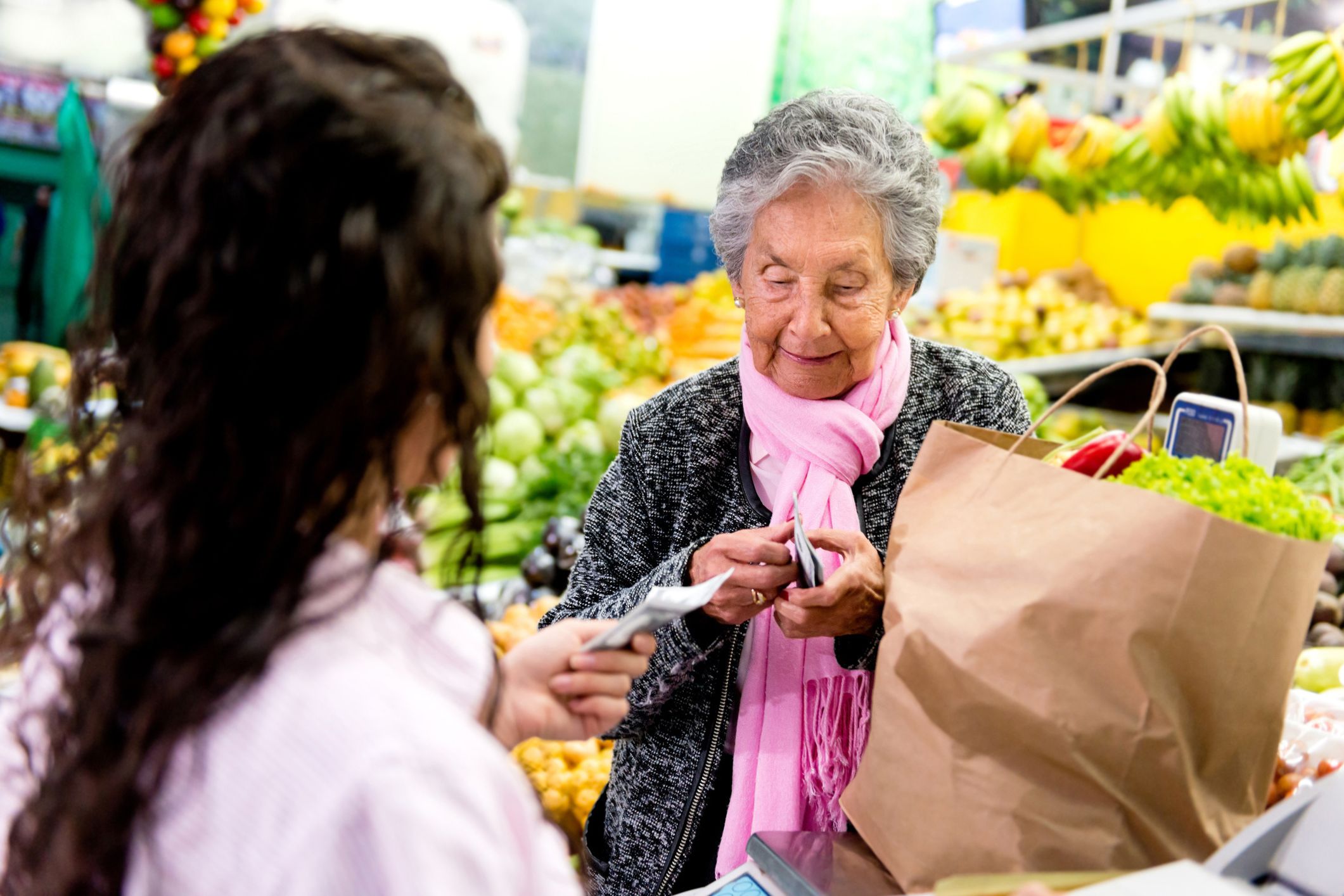
In a world obsessed with speed, one supermarket chain has proven that slowing down can make a meaningful difference.
While retailers continue to invest in self-service checkouts, automated systems and faster shopping experiences, Dutch supermarket giant Jumbo has gone in the opposite direction by introducing dedicated “chat checkouts” where customers are encouraged to take their time and have a conversation.
Known as the Kletskassa, which translates to “chat checkout”, the initiative was created to combat loneliness, particularly among older people who may have few opportunities for social interaction.
The concept has attracted international attention, not because it relies on cutting-edge technology, but because it recognises something increasingly rare: human connection.
The first Kletskassa opened in the town of Vlijmen in 2019 after Jumbo identified loneliness as a growing issue affecting many of its older customers. Rather than expecting cashiers to process customers as quickly as possible, the designated checkout allows staff to slow down, chat and create a welcoming experience for anyone who is not in a hurry.
Unlike a standard checkout, the lane isn’t about efficiency. It’s about making time for conversation.
Customers who prefer a faster experience can continue using traditional or self-service checkouts, while those looking for a friendly chat have a space where they don’t feel pressured to rush.
The idea proved so popular that Jumbo expanded the concept to more than 200 stores across the Netherlands.
The chat checkouts form part of the Netherlands’ national One Against Loneliness campaign, which brings together government, businesses and community organisations to reduce social isolation.
Many Jumbo stores have also introduced “chat corners”, where customers can enjoy a coffee, meet neighbours and connect with volunteers. Some stores host walking groups, community lunches and other local activities, recognising that supermarkets can be more than places to buy food.
To support the initiative, Jumbo has also developed guidance for staff on recognising signs of loneliness and responding appropriately, helping employees identify customers who may benefit from extra social connection.
Loneliness has become a major public health issue worldwide.
The World Health Organization has recognised loneliness and social isolation as significant threats to physical and mental health, with research showing they can increase the risk of depression, cognitive decline, heart disease and premature death. Older adults are particularly vulnerable following retirement, bereavement, declining mobility or the loss of social networks.
For many older people living independently, a trip to the supermarket may be one of the few regular opportunities to interact with another person.
That simple conversation with a cashier, something many younger shoppers might overlook, can become an important moment of connection.
Researchers have increasingly described supermarkets as potential “third places” that sit alongside home and work as important community spaces where people naturally interact.
Australia faces many of the same challenges.
An ageing population, increasing numbers of people living alone and growing reliance on digital services have all contributed to concerns about social isolation among older Australians.
While many supermarkets are expanding self-checkout technology to improve efficiency, the Dutch model raises an interesting question: should every shopping experience be as fast as possible?
A designated slow lane would not suit everyone. Many shoppers value speed and convenience, and retailers operate under constant pressure to improve productivity.
However, the beauty of the Kletskassa is that it offers choice.
Customers wanting to scan their groceries quickly still can. Those wanting a few extra minutes of conversation have a lane designed specifically for them.
The concept also highlights an important point for aged care and disability providers. Tackling loneliness does not always require expensive programs or major infrastructure. Sometimes it simply means redesigning everyday experiences to create opportunities for meaningful social interaction.
The success of the Kletskassa suggests that combating loneliness doesn’t always require grand solutions.
Sometimes it starts with something as simple as asking, “How has your day been?”
In an era where speed is often seen as the ultimate measure of customer service, Jumbo’s chat checkouts offer a different perspective.
For some older people, the most valuable thing they leave the supermarket with isn’t what’s in their shopping bag.
It’s the feeling that someone took the time to notice them.


