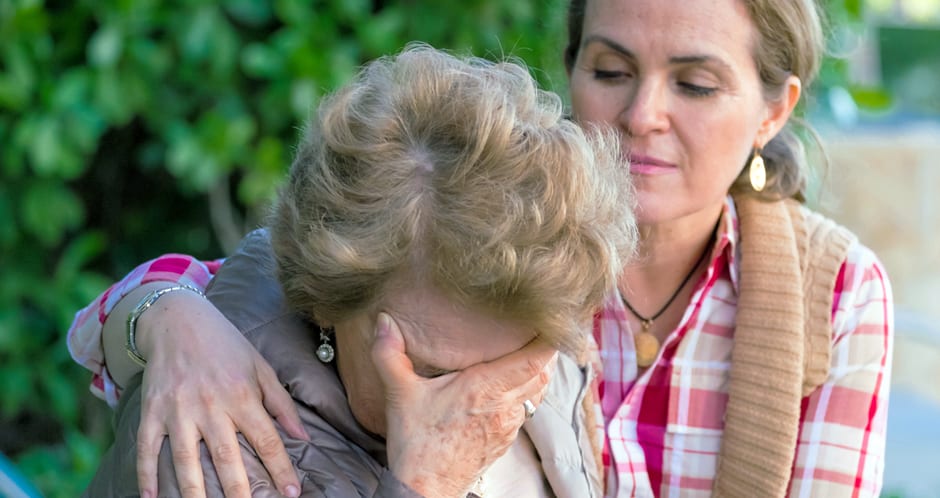
Being diagnosed with dementia can be a difficult time for the person who receives the news. They may go through a myriad of emotions – grief, loss, anger, shock, fear and disbelief.
Facing and accepting their diagnosis can be a long process often accompanied by a range of emotions. For the person who has been diagnosed, it may feel like their whole world has been turned upside down.
To cope, most will find that they will move between different emotions as they adjust – they may be be angry one moment, sad the next and then be at peace, only to feel something else later on.
A dementia diagnosis may even lead to a person having depression or anxiety. This can be challenging to diagnose because many signs will be attributed to the dementia. But should a person be having mental health issues, then support and therapies is essential.
Some people with dementia can show positive reactions – which may come as a surprise to others. They may be relieved to know what is wrong or be glad to be able to plan ahead.
Some may use the experience to re-evaluate their situation and focus on the activities and relationships that make them happy.
Much like the complexities of dementia symptoms. Every person’s reaction to their diagnosis is different and unique to them.
Dementia may cause people to feel insecure and lose confidence in themselves and their abilities. They may feel as though they are no longer in control and may not trust their own judgement.
This loss of confidence can lead to other parts of their life being affected, or vice versa. Things such as other health issues, financial circumstances, employment status and relationships with those around them may suffer.
The future can feel very uncertain for a person diagnosed with dementia. They may feel afraid about the future, scared about moments of confusion and forgetfulness, and upset about the impact dementia has on those around them.
That is why it is important that they have a good support network.
Being diagnosed with a form of dementia isn’t just a difficult process for the person diagnosed, but also for the people around them.
Their family and friends, much like the person with the diagnosis, may have feelings of denial and of loss.
It’s not uncommon for them to feel grief; as though they have “lost” their loved one, or anger; at having to be a carer, with others who aren’t to be helping out, or at the person with dementia for their difficult behaviours.
However, it is important that those around the person with dementia are supportive and understanding of them.
There have been many situations where people have been accused of not having dementia, despite a medical diagnosis, because they didn’t exhibit the traditional or “expected” symptoms. Dementia Alliance International hosted a Master Class “But you don’t look like you have dementia” earlier this year for people went through this experience.
It is important that the person with dementia has support from their inner circle, though it can be a hard time for everyone as a person changes, it is important that they are not alone and isolated.
And for the family and friends, they should feel able to, and are encouraged to, express their feelings about the situation.
Should you need help, there are support groups all throughout Australia that you can be connected to.
Many people find comfort and practical assistance by attending these meetings with others who know what it is like to care for a person with dementia. Support groups bring together families, carers and friends of people with dementia under the guidance of a group facilitator.
The facilitator is usually a health professional or someone with first-hand experience of caring for a person with dementia.
For more information on support groups, you can call the National Dementia Helpline on 1800 100 500.


