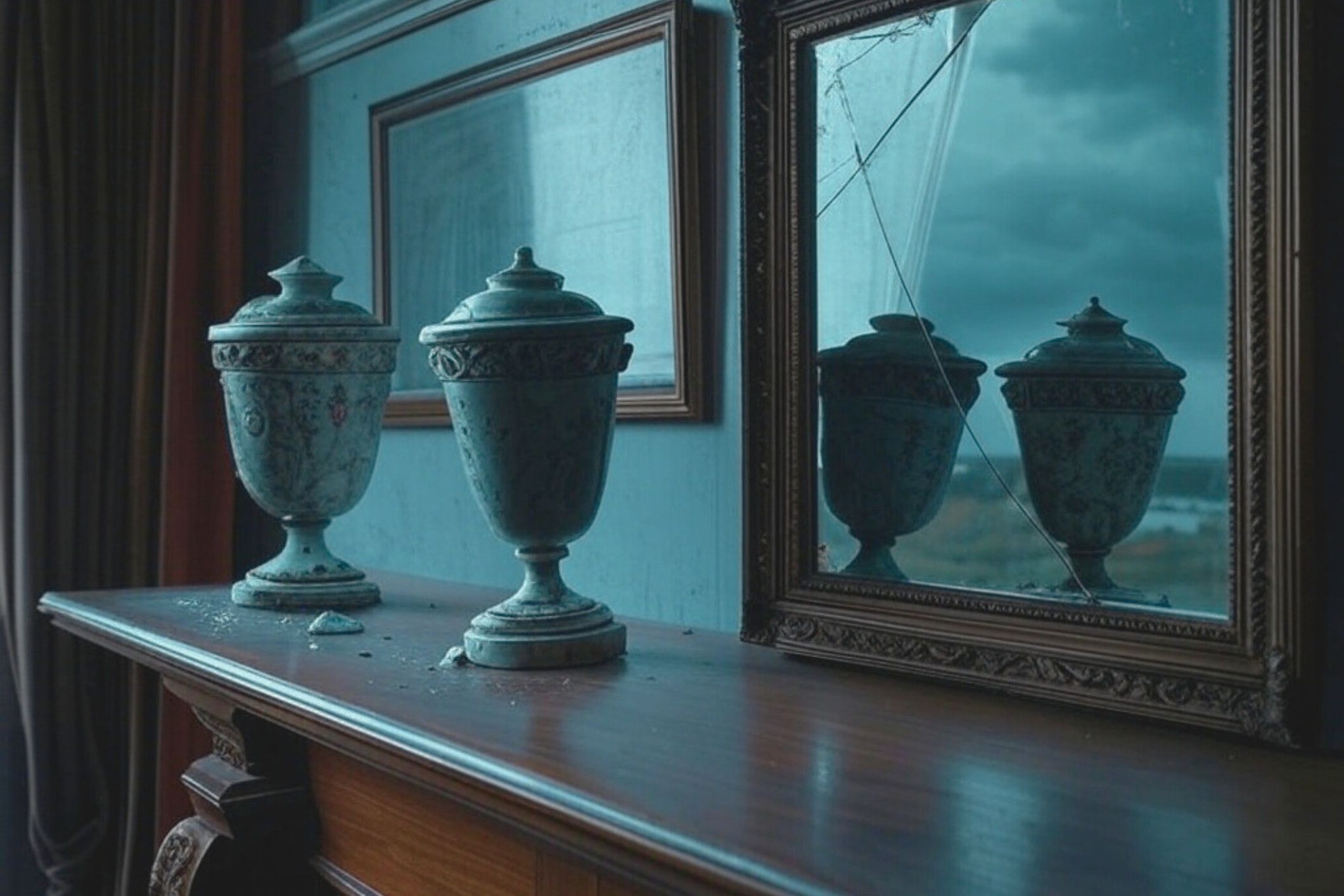
Adelaide woman, Mel, has been left grappling with an unimaginable loss. Her former husband, James, a man who once controlled every facet of her life, now refuses to return the ashes of her beloved mother and grandmother, compounding her grief with a cruel twist of fate.
This story, shared on Kidspot.com.au, reveals the depths of Mel’s struggle and her remarkable resilience in the face of heartbreak.
Mel’s nightmare began in the early days of her marriage to James. The couple wed with dreams of a shared future, but tragedy struck soon after when Mel’s mother died unexpectedly at just 49.
The loss left Mel in a fog of grief, vulnerable and trusting as she leaned on James for support. Initially, James presented himself as a reliable partner, offering to manage their finances to ease her burden.
Mel, then in her early thirties and overwhelmed by sorrow, agreed, unaware that this decision would mark the beginning of a decade-long ordeal of control and abuse.
James’s control extended far beyond money. He dictated Mel’s spending, allocating small sums for outings and requiring her to seek permission for even minor expenses. Her own income, earned through full-time work, was inaccessible to her.
The marital home, which Mel co-owned, became a prison where her possessions were confined to a single room. James’s demands were unrelenting: a spotless house, meals prepared daily, and absolute compliance.
Any deviation invited his wrath, which eventually turned physical. Mel recalls a terrifying incident where James struck her thigh so forcefully that she couldn’t walk for weeks, yet he forbade her from seeking medical care.
The abuse escalated with chilling surveillance. James installed cameras inside and outside their home, claiming they were to monitor their dog. But the cameras served a darker purpose.
On one occasion, while overseas, James called Mel in the middle of the night, demanding she prove her whereabouts by appearing on camera and conducting a humiliating sweep of the house to ensure no one else was present.
The invasion of her privacy was relentless, with James even checking her phone in the dead of night while she slept.
After nine years of enduring this torment, Mel found the courage to leave following a particularly vicious argument. James’s belittling words – that she was “useless” without him – pushed her to breaking point.
She fled to a friend’s house, hoping for reconciliation but instead facing further aggression, including James banging on her friend’s door in the middle of the night. Mel never returned. The legal battle that followed cost her over $50,000 AUD to secure her share of the marital home, but the true cost was far greater.
During the property settlement, Mel repeatedly requested the return of her mother’s and grandmother’s ashes, which she had been forced to store in the garage during her marriage.
James had forbidden her from keeping them in the house, a cruel assertion of his dominance. To Mel’s devastation, he now claims he doesn’t know where the ashes are. “I know they were there when I left,” Mel says, her voice heavy with emotion.
“He packed up the house for sale. The not knowing is what haunts me.”
The loss of the ashes is a wound that refuses to heal. Mel’s mother and grandmother were central to her life, and their deaths, coupled with the loss of four other grandparents and an uncle in the years since, have left her grappling with compounded grief.
Adding to her pain, James also withheld their dog, a cherished companion Mel poured her love into during the darkest days of her marriage. Leaving the dog behind, she says, was like severing a limb to escape a trap.
“I dream of him still,” she admits, “and I can still smell his warm wool scent.”
Mel’s dreams of motherhood were also shattered. Though she and James had planned to have children before their marriage, he later declared he wanted none, leaving Mel to mourn the family she might have had.
Now in her mid-forties, she feels that chapter of her life has closed, a regret that lingers alongside her other losses.
Yet, despite the trauma, Mel has forged a path to healing. She carries guilt, particularly for her sibling, who is also unable to honour their mother’s memory. But she finds solace in believing her mother and grandmother would understand her powerlessness in the situation.
Today, Mel is safe, living a peaceful life she once thought impossible. “I’m happy now,” she says, “and that’s something I couldn’t have imagined back then.”
Mel’s story is a stark reminder of the far-reaching impact of domestic abuse, which extends beyond physical harm to rob victims of their dignity, autonomy, and even their most sacred connections.
Her fight to reclaim her mother’s and grandmother’s ashes may be unresolved, but her strength in rebuilding her life stands as a testament to the resilience of the human spirit.
Names have been changed to protect identities.


