
After enjoying a career in hairdressing for almost four decades, home care worker Bronwyn Dagnall has found transferable skills from her previous career helped her settle into her new role.
Ms Dagnall hung up her scissors and capes in 2021 and took up a job at Carinity Home Care in Brisbane with the goal of a new career with purpose, reward and enjoyment.
“I started by looking at what skills I had, and other jobs that I could use them in […] As a hairdresser you need to be a great communicator,” she said.
While some people are deterred from a career change by age, Ms Dagnall was encouraged by the fact her father changed jobs at the age of 50 and enrolled in a Certificate III in Individual Support, the qualification required for working in the home care, residential aged care, and disability sectors.
Almost three years later Ms Dagnall now oversees a team of staff “who get so much enjoyment from helping others every day” and still draws from her hairdressing skills.
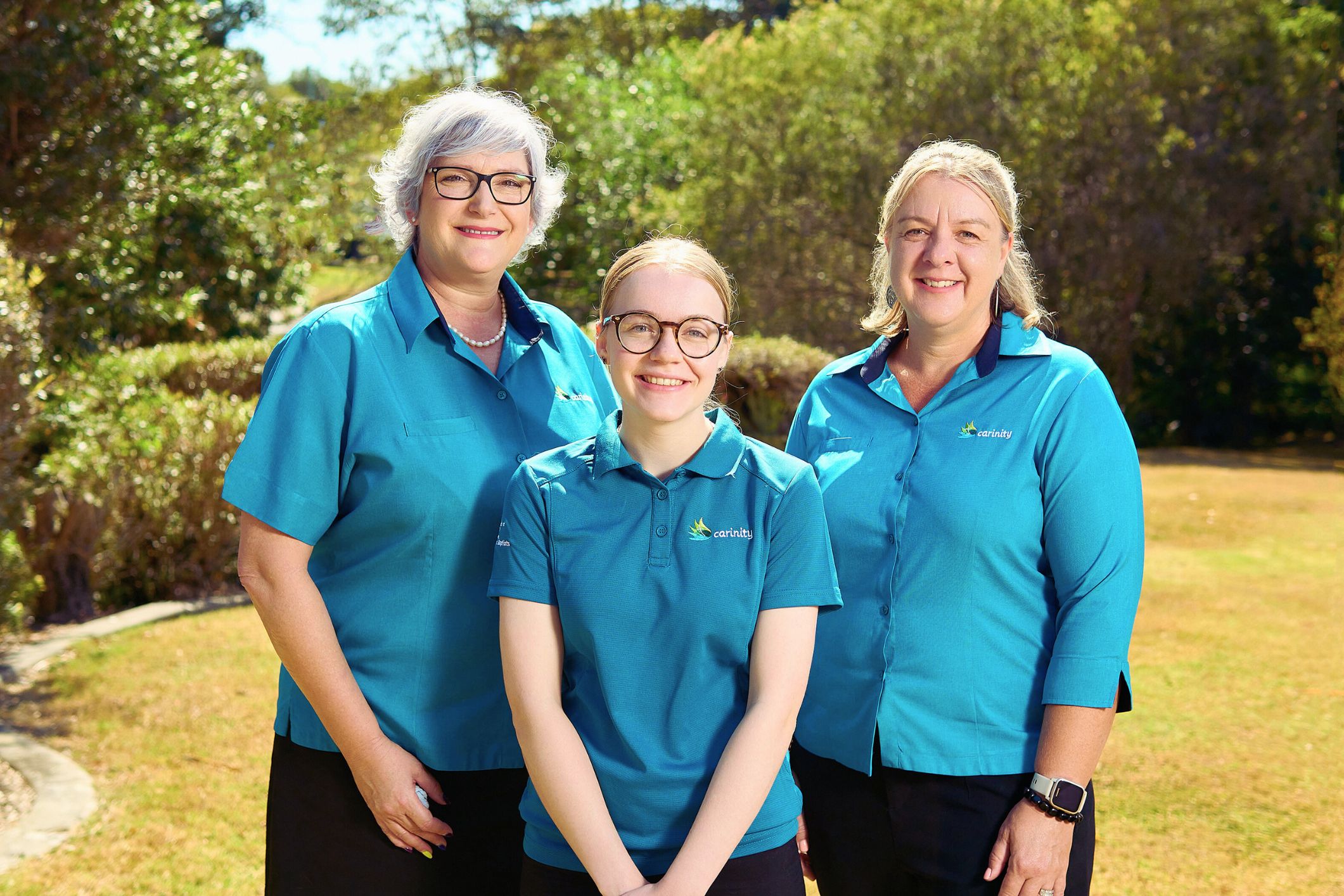
Ms Dagnall said, “Communication is so key in building trust and a genuine relationship with your clients.”
“It’s important to understand their personal needs and preferences, to ensure you deliver the right support and care that is catered to their individual needs.”
Ms Dagnall has also gained invaluable insight into being on the other end of the home care journey while supporting her ageing parents through their assessment and search for care.
Her advice, from an informal carer and service provider perspective, is to “look to the future – don’t leave it too late!”
“You can’t control when you will need care. What you can do is learn about care options, and start the conversation about care and support needs with your loved ones.”





