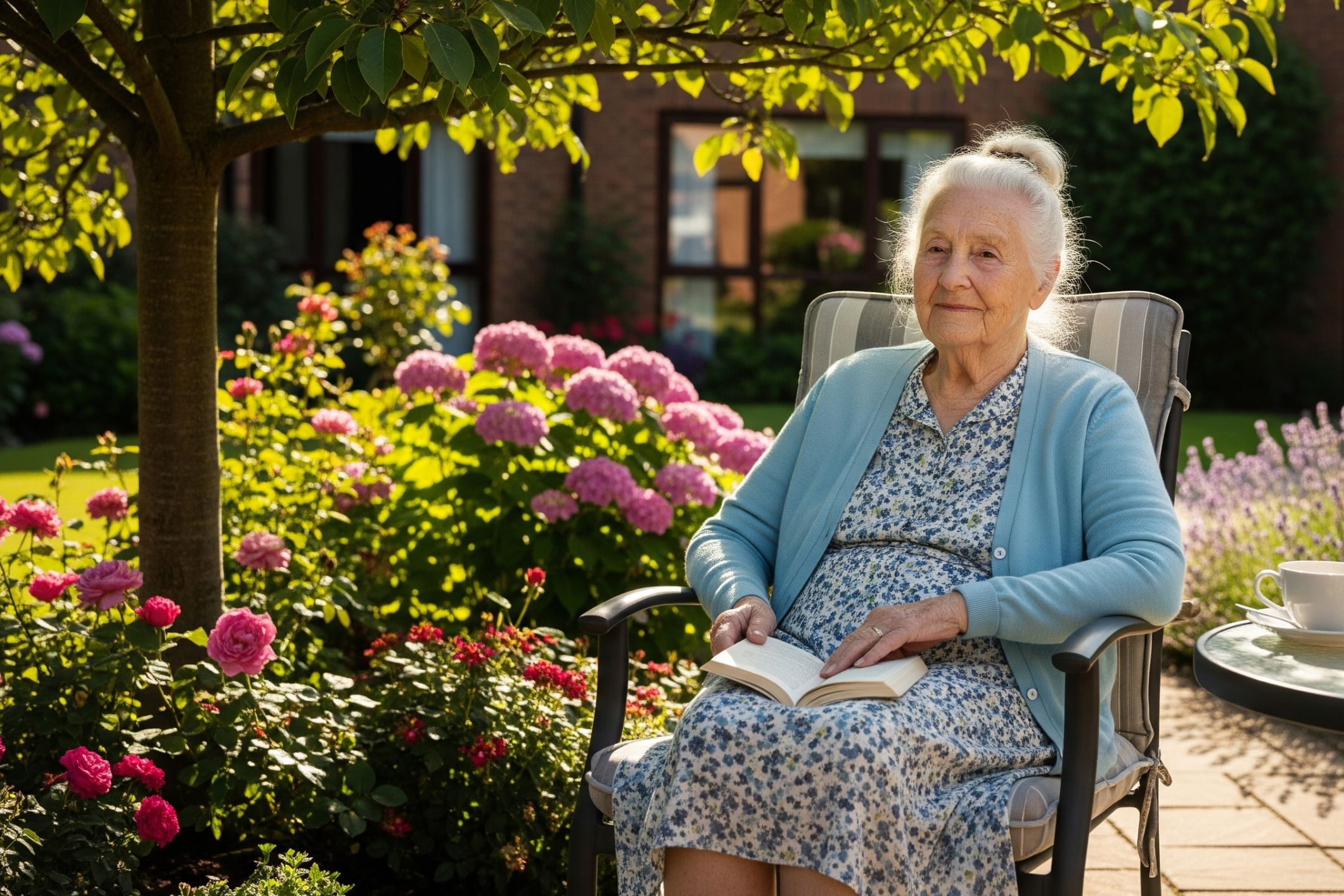
Falls are a major concern for older Australians living in aged care, with thousands ending up in hospital each year due to fall-related injuries. However, a new global Cochrane review, drawing on evidence from over 100 trials across 25 countries, highlights practical and effective ways to reduce these risks. By focusing on exercise, dairy-rich nutrition, vitamin D, and personalised care programs, aged care homes and families can help residents stay safer and stronger.
The power of regular exercise
One of the most effective ways to prevent falls is through regular, tailored exercise. The Cochrane review found that ongoing exercise programs, delivering at least one hour per week for mobile residents, significantly improve strength and balance.
“The key word is ongoing,” says Dr Suzanne Dyer, lead author of the review. “Short bursts don’t deliver lasting benefits.” Simple activities like walking, balance exercises, or sit-to-stand practice can make a big difference when done consistently. For residents, this means staying active with support from care staff to maintain mobility and confidence.
Dairy-rich diets for stronger bones
Nutrition plays a critical role in falls prevention. The review highlights that diets rich in dairy – including at least 3.5 daily servings of milk, yoghurt, or cheese – can reduce the risk of falls by supporting muscle strength and bone health.
“Menus including dairy might reduce the risk of falls because protein and calcium support strength and bone health,” explains Dr Dyer. One Australian trial included in the review showed remarkable results: residents on dairy-rich diets saw fractures drop by a third and hip fractures by nearly half. For aged care homes, ensuring dairy is a staple in daily meals could be a game-changer.
Vitamin D to boost muscle function
Vitamin D deficiency is common among aged care residents, particularly those who spend limited time outdoors. The review found that supplementation with vitamin D can improve muscle function and is likely to reduce both falls and fractures.
“Because many residents spend little time outdoors, most are often vitamin D deficient,” says Dr Dyer. “Supplementation helps improve muscle function and will probably reduce falls and fractures.” Aged care homes should work with healthcare professionals to ensure residents receive appropriate vitamin D supplements as part of their care plan.
Personalised programs for better outcomes
The review also underscores the value of individualised falls prevention programs. When care staff tailor strategies to each resident’s needs – such as adjusting exercise routines or addressing specific risks like poor eyesight or unsafe footwear – the results are more effective.
“When care staff are involved in falls prevention programs that are specific for each resident, they are more effective at reducing falls,” Dr Dyer notes. This personalised approach ensures that interventions are practical and relevant, maximising their impact.
How families can help
Families can play a vital role in supporting these efforts. Simple actions, like encouraging residents to do sit-to-stand exercises during visits, helping with balance practice, or bringing dairy-rich snacks like yoghurt or cheese, can complement the work of aged care staff.
“Small, everyday actions – like encouraging sit-to-stands, supporting balance practice, or offering yoghurt and cheese as snacks when you visit – can support the programs that work,” says Dr Dyer. These small steps can make a big difference in keeping loved ones safer.
Taking action
The findings from this Cochrane review offer a clear path forward for aged care homes and families. By prioritising regular exercise, dairy-rich diets, vitamin D supplementation, and personalised care, the risk of falls can be significantly reduced.
Aged care providers can start by reviewing their menus, ensuring exercise programs are ongoing and tailored, and working with healthcare professionals to address vitamin D deficiencies. Families can support these efforts by staying engaged and encouraging healthy habits during visits.



The latest comments on Maggie Beer’s expensive culinary exploits into aged care show clearly that food is absolutely essential in stopping health deterioration. The right kind of food that supplies the minerals, vitamins and proteins needed. Not some fancy chef delight but honest, down to earth food that hasn’t been cooked to death. If you don’t have the right food, you begin to lack energy and the revolving door starts. Commonsense is needed in all areas,- menu reviews, physical exercise. laughter. movement, and vitamin d. Start with the food, a good cook who actually cares about cooking, not serving up soggy food, and you will see the difference. then add everything else. The work load for the carers will become lighter, and the residents will be more alert.