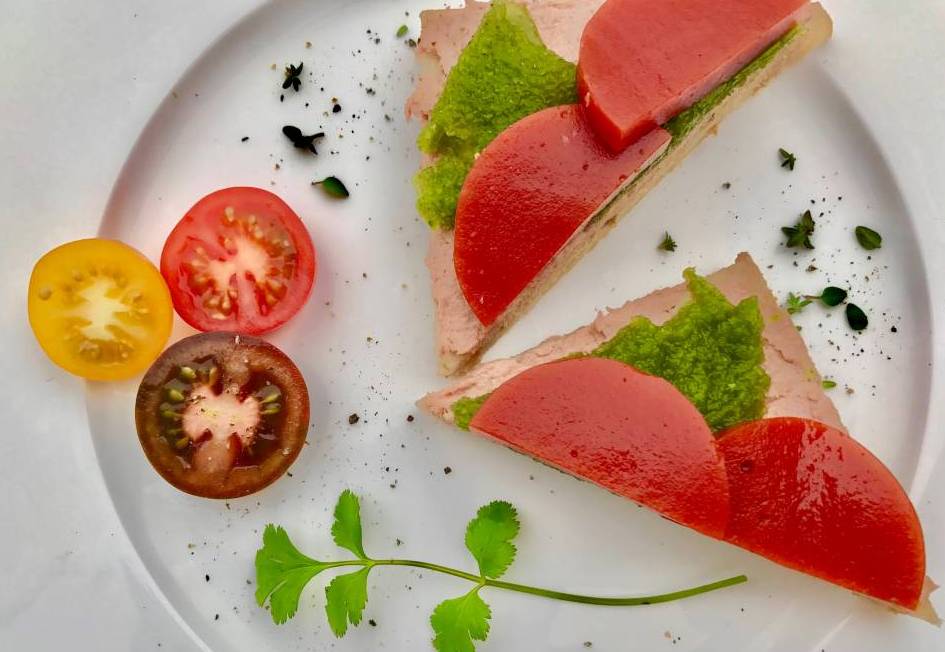
In nursing home kitchens all around Australia, chefs are mastering the art of using food moulds in determined efforts to improve the dining experiences of aged care residents.
Their creativity is not only enabling older people in residential care to gain greater enjoyment from their food, it is also providing residents’ health and wellbeing with a much-needed boost.
We spoke to two chefs about the moulds they use, their tips for success (and what to avoid), and along the way we learned about one particularly unusual texture-modified meal.
A research paper from the Royal Commission into Aged Care Quality and Safety put the rates of malnutrition in residential aged care in Australia at between 25 per cent and 50 per cent of residents. However, some studies have found the rate to be as high as 65 per cent.
Regardless of what the exact figure is, it’s clear that malnourishment is a significant problem in residential aged care.
Part of the cause of malnourishment is the fact that many residents, especially those living with dementia, require texture-modified foods because they have difficulty chewing or swallowing.
Traditionally, those requiring pureed food were served three scoops of pureed food, one orange, one green, and one white. It was impossible for residents to tell what they were eating.
It doesn’t take much imagination to appreciate that these meals would not be terribly appealing.
Lyn Donohue, the cook at Glenella Care in Mackay, Queensland, told HelloCare she began thinking about using food moulds when she realised how important it was that residents recognise the food they are eating.
“When we saw the moulds, we realised how much [better it would be if] the consumers could recognise what they were actually eating, rather than have the standard “good old ice-cream scoops”, she said.
At first she and her team were concerned using moulds would be time consuming, but they found they can freeze the moulded food in bulk and heat it in their Burlodge system (or a slow oven), which means it is actually reasonably time efficient. Over time, they have also become faster at using the moulds.
But Donohue says any extra time the moulding takes is more than made up for by the residents’ favourable reactions to the food.
After recently having a pureed sausage served in a sausage-shaped mould, one resident said to her, “It was about time I was given a real sausage.”
“He actually thought it was a real sausage. It was just great,” Donohue said.
Being able to make the food more palatable for residents is a “fantastic” feeling, Donohue told HelloCare.
“Any moulded meal that will get eaten is good,” Tibor Paller told HelloCare.

Tibor trained as a chef in Europe, but developed wide-ranging expertise in the delivery of hospitality services after migrating to Australia. More than twenty years ago he walked away from high-end restaurants and fashionable venues, and took his invaluable culinary skills to the aged care industry.
Tibor is now an expert in texture-modified food, both in Australia and overseas, and is absolutely passionate about how food tastes, how it is presented and the diner’s experience in residential aged care.
Residents on modified diets love moulded foods because their meals become recognisable again, Tibor said.
“When people don’t know what they are eating they are denied choice. With choice comes independence, pride, self worth and dignity,” he said.
“Food is something our elders relate to, understand and consider a safe issue to have an opinion about in this modern world, so it’s very, very important.”
Tibor would like to see more funding for food in aged care.
“About 70 per cent of a resident’s day is spent in food-related activity, but we only fund food production less than 10 per cent… problems will remain until more parity is to be found,” he said.
Both Donohue and Tibor use the moulds of Australian company Flavour Creations and the associated thickening agent ‘Shape It’, which is made from agar-agar.

While Donohue has found ‘Shape It’ works well, so long as volumes are measured carefully, Tibor would like to see it further developed.
“When chefs think with their ingrained thinking that they can wing the measurements, they can actually endanger someone’s well being,” warned Tibor.
Shape It is very concentrated and the slightest error in measurement will produce results that will not meet the IDDSI standards, he said.
The thickening agent can also cause food to “disintegrate when heated to temperatures required by food safety legislation”.
Tibor uses “alternative products based on starches” to overcome these difficulties, but noted there are not enough of these products on the market.
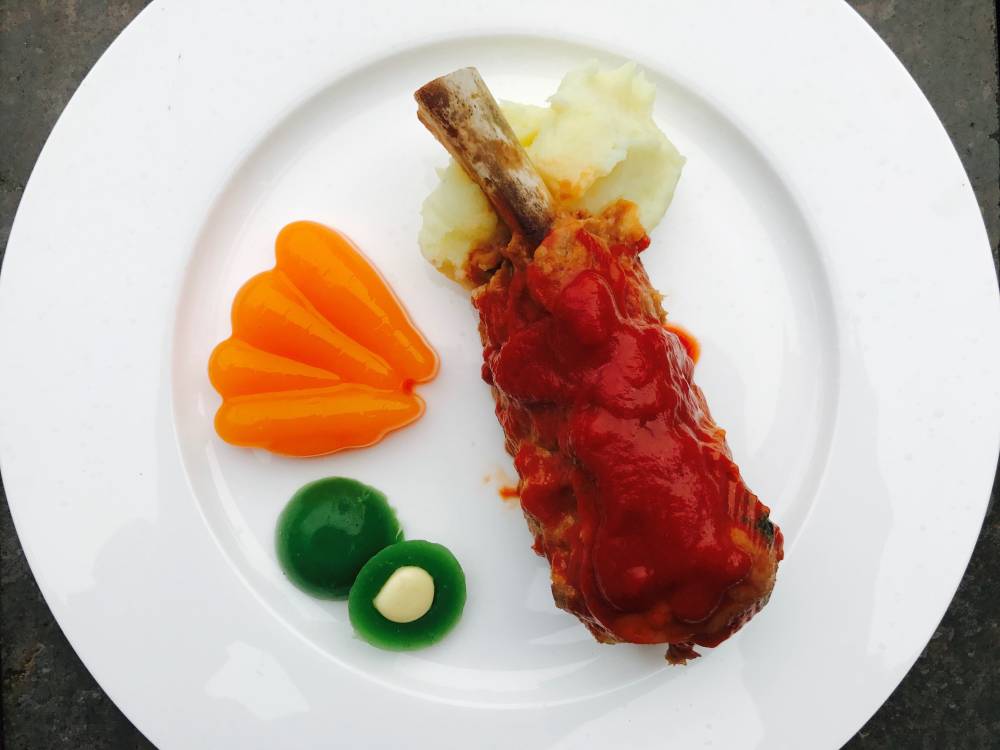
Donohue plates a large range of pureed food for residents. Most vegetables are moulded, but pureed pumpkin and potato are sometimes piped onto plates in swirls. Meat is moulded, sometimes in a loaf pan, and then sliced up.

(If management doesn’t want to invest in moulds, just using a loaf tin for pureed meat that you can slice up makes a big difference, Donohue suggested.)
“Shepherd pie is good because you can mould the meat on the bottom and then pipe the mashed potato on top. Then we slice it into little squares on a plate,” she said.
For pureed peas and carrots, they add ingredients to improve the flavour, such as mint to the peas and honey to the carrots.
After spraying the mould with oil to stop food sticking, Donohue suggests adding sauce or spices to create the impression the food has been roasted. As you can see from her photos, this technique is very effective.
“It changes the whole look of your vegetable,” she said. “Rather than the carrot or pumpkin looking like playdough… if you sprinkle a little bit of cinnamon or paprika on it, it looks like it’s been roasted.”

Donohue encourages other aged care cooks to lean into the “creativity” you can have with food moulds.
Proving no food is too difficult to adapt for texture-modified diets, Tibor told HelloCare he was once asked to develop a roasted iguana recipe for an indigenous gentleman who lived up north.
It seems the scope for moulded foods is limited only by our imaginations.
Lead image: Pureed BLT. Image from Tibor Paller.



Minced meals often look and smell repulsive, and frankly, I wouldn’t serve them to my dogs. The mealk look disgusting, no wonde4r my poor Mum refused to eat, and the jelly is merely wate, gelatine and food colouring, horrid, even prisoners’ eat better.