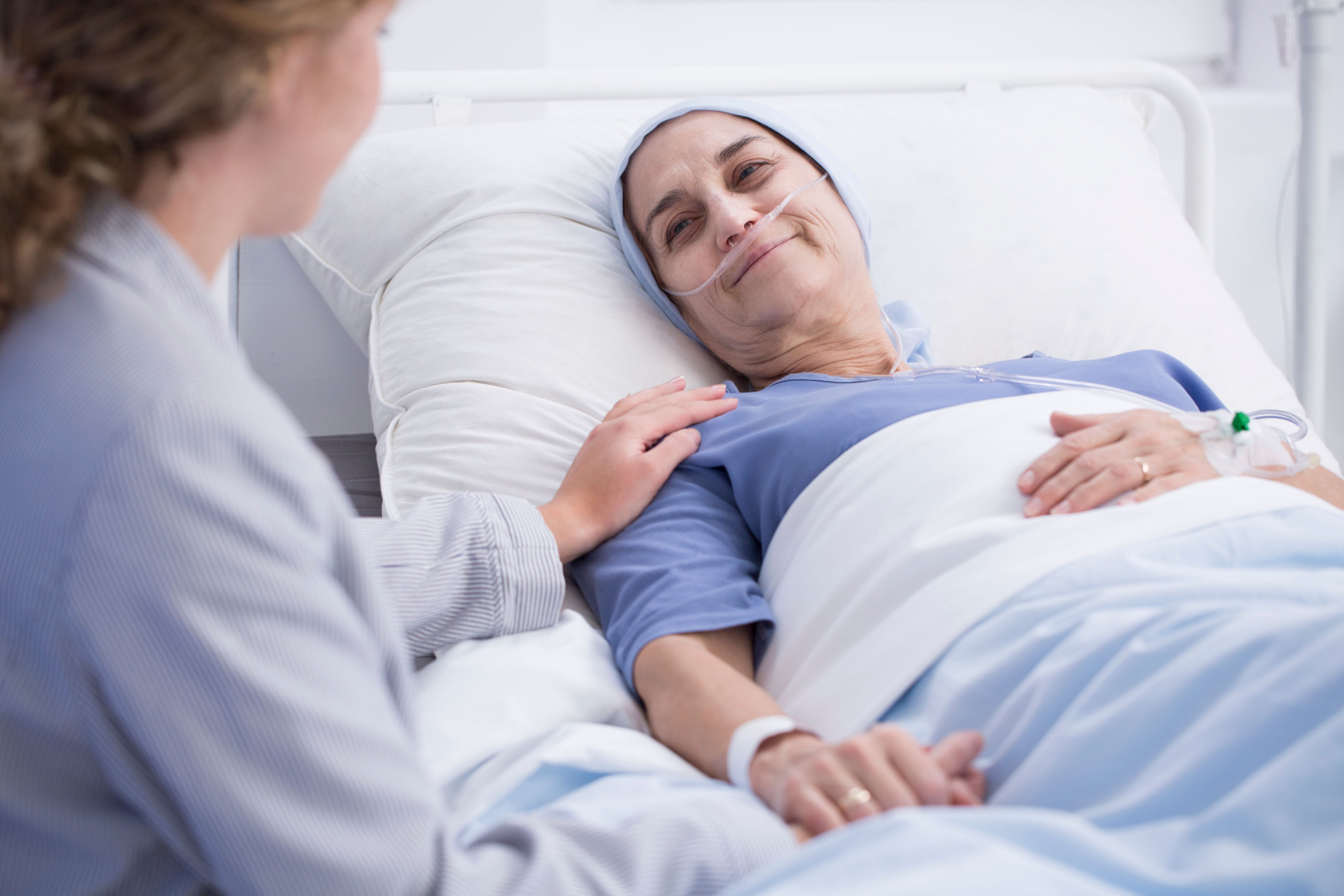
When it comes to end-of-life decisions and palliative care, knowing what supports are available can make all the difference.
Now, a new University of South Australia (UniSA) research project is exploring ways to support rural people in palliative care to have important conversations, find key supports and live better for longer.
The ‘Living well as long as we can’ project hopes to improve awareness and understanding about end-of-life planning and care so that people can make active and informed end-of-life choices.
The project will encompass four rural areas in South Australia – Mount Gambier, Port Lincoln, Berri and Whyalla. It will begin by seeking input from each of these communities about what they already know about palliative care and end-of-life issues, via an online survey.
Conducted in partnership with Palliative Care SA, the University of Adelaide, and Flinders University, the project is part of a broader five-year State-wide program funded by The Hospital Research Foundation.
Lead rural researcher, UniSA’s Associate Professor Kate Gunn, said the project involves working with local community leaders to find ways to highlight how rural communities can support each other at end of life, effectively navigate systems and make their existing strengths more visible.
“However, we are really excited to be working with rural community leaders and Palliative Care SA on this project, to explore novel ways to encourage conversations and enhance this further.”
Chief Executive Officer (CEO) of Palliative Care SA, Shyla Mills, said palliative care is everybody’s business as dying is a “normal part of life”.
Whether they’re a patient, a family member, a caregiver, friend, colleague, or a healthcare provider, we will all know someone who is experiencing a serious illness, dying, grief or caregiving,” Ms Mills said.
“People usually want to help, but too often they don’t know how to. This project will work with community leaders to provide guidance in both asking for and accepting help at the end stage of life.
“This initiative is based on the premise that dying is a social part of life with a medical component, and not vice versa. So, working with rural communities to increase their networks of care around people at the end stage of life is vital.”
Researchers are now looking for community members to share their experiences. People living in Mount Gambier, Port Lincoln, Berri or Whyalla are invited to complete a brief survey about what they already know about end-of-life experiences.


