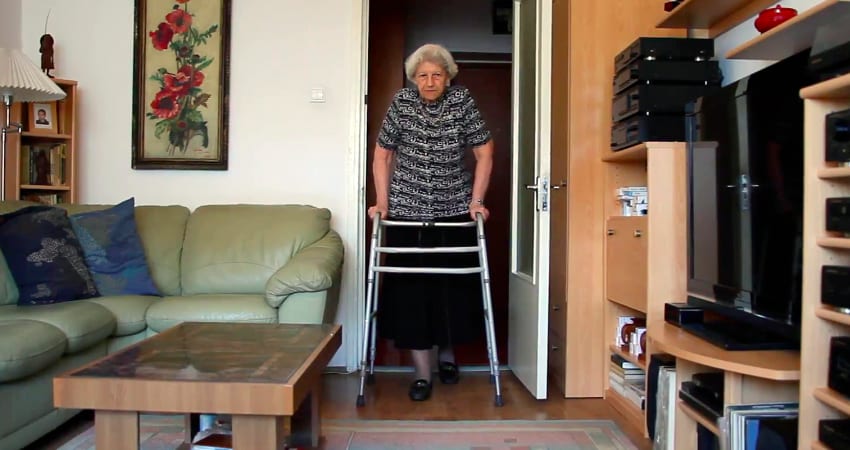
The thought of living in a nursing home often fills people with dread, conjuring up images of being ‘locked away,’ with no freedom or privacy, and having to adhere to a strict daily routine that leaves no opportunity for independence or autonomy. Unfortunately, this is often not far from the reality of traditional aged care, which follows an institutional model of care.
Aged care doesn’t have to be this way, which is why a whole new model of care has emerged in the form of Home Care Communities, which take a radically different approach to caring for our elderly.
In a Freedom Aged Care home care community, respect and personal freedom are paramount. Residents live in their own homes, in a supported community environment where they have access to care that covers the individual assessed care needs, from low care needs through to high care, palliative care, continence care and dementia therapy.
“Residents have access to nursing staff 24/7 in a safe and happy environment,” explains Freedom’s Rebecca Bingham, a Registered Nurse and Industry Liaison Clinician. “Our care programs are tailored to suit the resident’s individual needs, so they have access to as little or as much care as they need through their ageing journey.”
“We have a Diversional Therapy program in place to ensure that residents have access to purposeful activities – everything from book and poetry clubs to movie screenings and day trips,” says Rebecca. “We have shared areas for meals and socialising. Happy hour is a popular part of the day. It’s like living with a big extended family. You have the privacy of your own home when you want it but also the support of being part of a close community and access to lots of activities and social spaces that promote strong social connection and a sense of belonging.”
“Our mission at Freedom is to protect our resident’s ability to have choices and to support their independence. We encourage and support residents to run their own schedule, if that’s what they want. If they want to eat their meals in their own home, they can. If they want to have friends over to their own home to stay, they can.”
Another of the great benefits of a Home Care Community is that couples can stay together, unlike traditional nursing homes where residents are placed in units purely according to their care level requirements.
“It’s heart-breaking to see couples separated. This may happen if someone is requiring a dementia secure unit and the other is low/high care. In the traditional Nursing Home model, the person living with dementia would be put in the dementia secure unit and their partner would be put in another part of the Nursing Home. This isn’t the case at Freedom, where couples are supported to live together in their home, while still being able to have their individual care needs met.
Another barrier for people accessing or making the decision to move into care is their pets.
At Freedom we encourage our residents to bring their beloved dog or cat. Their pet is often their very much-loved companion and gives them purpose to get up in the morning.”
What do you have to say? Comment, share and like below.



This is nothing more than advertising for Freedom …. written by their CEO … of COURSE he would sing its praises! Would be more believable if it was written by a family member of someone who lives in a Freedom complex!
1
Live in WA with only 1 provider that works in my area (country Wheat Belt) Have clients but NO staff to service the needs. It is heart breaking that so many clients would benefit from our services, But lack of staff does not allow providers to give them support.
I work with this provider for last 5 years. WE can not get carers to join up. If they do its only for the short term. It’s heart breaking to me. as they require help to stay in their home until the end.
2