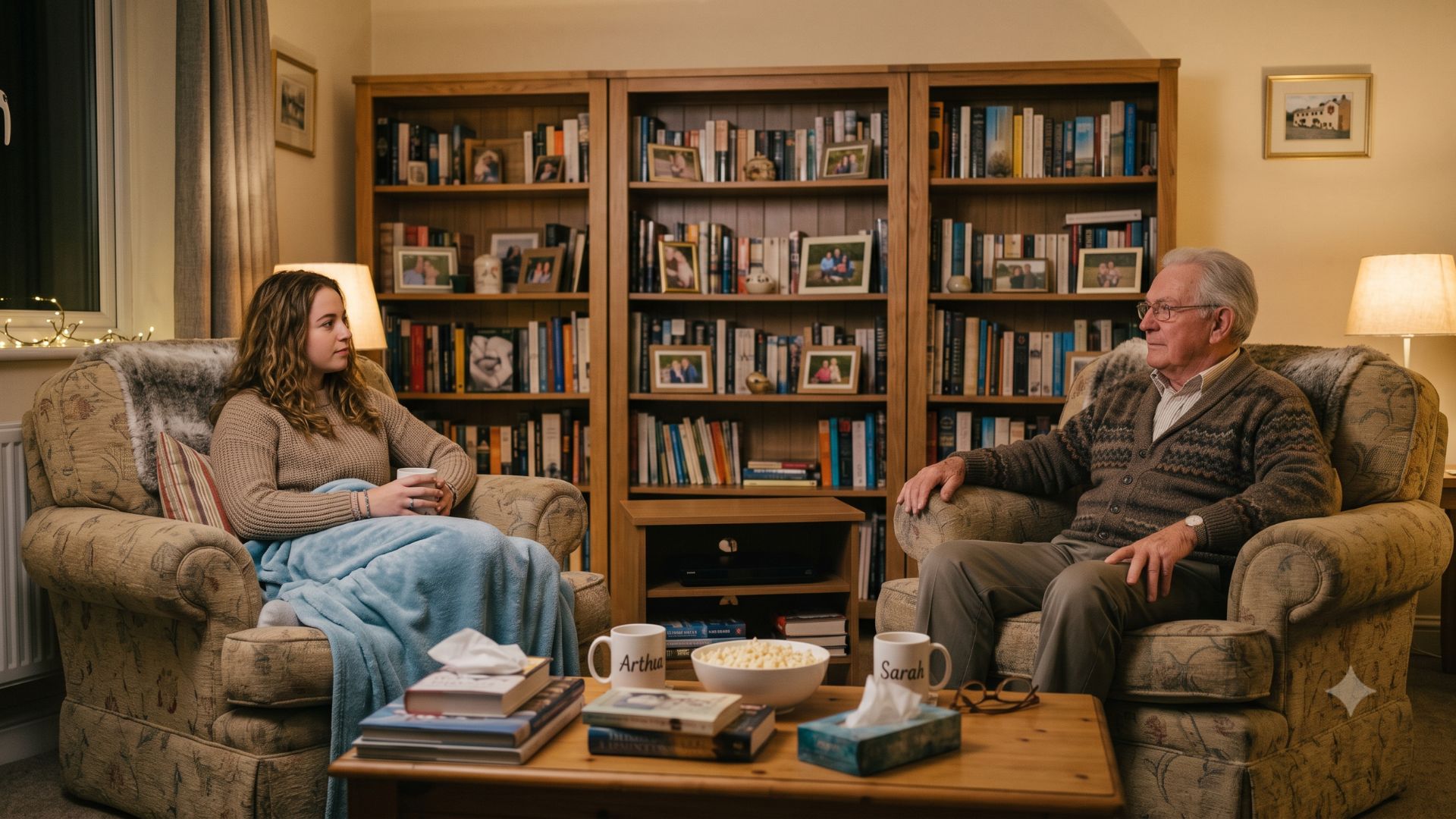
Roommates have long been associated with university students and young adults starting out. But in Australia, as in the United States, an increasing number of seniors are turning to shared living arrangements, whether through formal Homeshare programs or informal flatmate setups, as a way to combat rising costs, loneliness and the challenges of ageing alone.
While still a relatively small phenomenon, the trend is gaining traction amid Australia’s ongoing housing crisis and demographic shifts.
More than 16 per cent of Australians are aged 65 and over, around 4.2 million people as of recent figures, with women outnumbering men (approximately 2.2 million women compared with 2 million men over 65). This proportion is projected to rise to nearly one in four Australians, or 4.5 million people, by 2066.
A significant proportion of older Australians live alone. According to 2016 data, one in four older people aged 65 and over living in private dwellings were in lone-person households, and projections indicate solo households will continue growing, with older Australians forming a large share of that growth.
Housing affordability stress is also acute. By 2031, an estimated 440,000 older households aged 55 and over are projected to be unable to find or afford suitable housing, a 78 per cent increase in unmet demand from 2016. Older renters, particularly single women, face high levels of rental stress and poverty risk, and older women are among the fastest-growing groups experiencing or at risk of homelessness.
Shared accommodation is rising among older cohorts too. In the 2025 Flatmates.com.au National Share Accommodation Survey, 15 per cent of respondents were over 55, with the 55 to 64 age group increasing notably compared with prior years. Cost of living remains the primary driver of this shift.
Loneliness affects a substantial portion of older Australians as well, with around one in five, or roughly 16 to 20 per cent, of those aged 65 and over reporting that they experience loneliness. Rates are higher among those aged 75 and over, those living alone, or those in certain regions, and living alone is a well-established risk factor.
These pressures align with broader national trends. Australia faces a housing shortfall overall, with calls for hundreds of thousands more homes to be built. Many older homeowners are asset-rich but income-poor, while renters struggle with rising costs and limited supply.
Formal Homeshare programs, which match homeowners (often older people wanting to age in place) with compatible companions who provide light support in exchange for affordable accommodation, have operated in Australia for more than 20 years. The Homeshare Australia and New Zealand Alliance (HANZA) supports providers across metropolitan Sydney, Melbourne and Perth, as well as the ACT and regional areas.
Organisations such as Life Shared facilitate matches where companions offer up to 10 hours of help a week, including gardening, chores and companionship, in return for low-cost or subsidised rent. Other initiatives, such as Hunter Homeshare, focus on safety and mutual benefit, particularly for older women.
This model supports ageing in place, a priority in aged care reforms, by reducing isolation, sharing household tasks and potentially delaying or avoiding the need for residential care. It also offers financial relief without forcing a full move.
The United States saw an 88 per cent increase in older adults living with unrelated roommates between 2006 and 2016. Australia’s numbers are smaller but moving in a similar direction, driven by the same forces of housing costs, longer lifespans and a desire for connection over institutional living.
Advocates, including National Seniors, are calling for policy supports such as exempting rental income from the Age Pension income test, education campaigns and potential capital gains tax incentives to encourage more homeowners to share spare rooms. Integration with the Support at Home program and various state initiatives could further expand access.
Challenges remain, including compatibility, privacy concerns and regulatory hurdles, and the model will not suit everyone, particularly those with high care needs. However, professionally facilitated programs with screening and mediation help address many of these risks.
As Australia’s population ages and the housing crisis persists, home-sharing represents one innovative, community-oriented option. It could help more seniors age with dignity, companionship and financial security in their own homes, turning empty-nest houses into shared, vibrant spaces.


