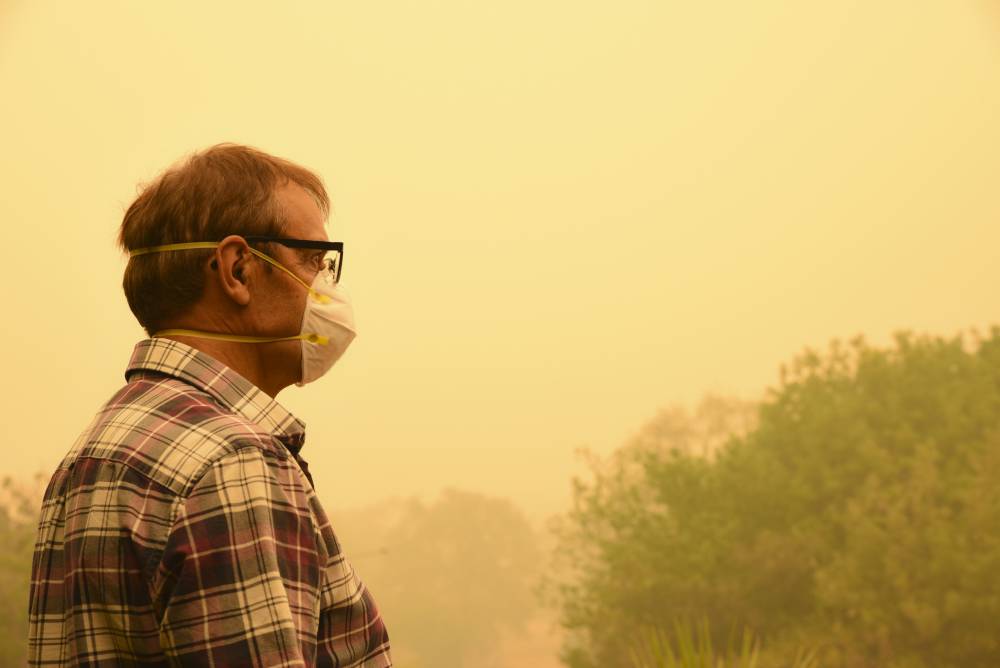
As Australia’s bushfire season nears and the Royal Commission into Natural Disaster Arrangements prepares to report, there is a common link between the unprecedented blazes that caused such devastation last summer and our fight against COVID-19.
While firefighters and local authorities have prepared for blazes for years, a horror influenza season three years ago scorched aged care and prompted a national review.
In 2017, more than 1,100 Australians aged over 70 died from the flu.
Of these deaths, many occurred in residential aged care including, sadly, 10 in one home and six in another.
Both homes were audited by the regulator and, across the country, influenza infection controls and plans were revised and intensified as part of the aged care quality standards.
The Aged Care Royal Commission heard recently that COVID-19 preparedness in aged care was based on these protocols.
There was a plan for COVID-19 and there was guidance and direction for aged care operators to implement infection control systems and processes, largely based on the seasonal influenza they deal with on an annual basis.
Providers prepared by refreshing their staff training, stocking Personal Protective Equipment (PPE) as best they could and having arrangements in place for some backup staffing should this be required.
Aged care prepared to fight a foe based on our past experiences of protecting older Australians in care from influenza.
We prepared based on what we knew but what we found was something very different.
Like the extraordinary bushfires last summer – that burnt in uncommon places, linked up and razed millions of hectares and homes like we have never witnessed before – what we have seen with COVID19 in aged care, and in other health services, means we have to think again about how we fight this viral enemy.
The Royal Commission into Natural Disaster Arrangements has examined last summer’s bushfire devastation and this will likely lead to major changes in our understanding of bushfire behaviour and how we as individuals, families, organisations and communities prepare for and fight bushfires.
When we see professional and volunteer firefighters battling on the frontline and the fire stations and the volunteer fire services backing them up, we rightly salute them as deserving heroes.
Recently in aged care, however, we have seen some staff on the frontline – and the organisations that support and employ them to protect older Australians – impugned as somehow being not up to the task.
The motivations of aged care providers have been questioned, based on the financial structures or the ownership models of those organisations, whether they are charities, faith-based or privately run.
Some have been critical of our workforce as being underqualified and under skilled, with around 1,000 aged care workers who have been infected by COVID-19.
However, at one stage there were more than 1,000 health care workers – with many in the hospital sector – who were also infected.
This clearly demonstrates that the adversary we are fighting is a challenge for all health and care workers – no matter where they provide these vital services.
These workers in aged care, hospitals, GP clinics and the like are all heroes because of their dedication and courage to continue serving and caring for those in need.
Everyone on the frontline is fighting the same enemy – even as it behaves differently to what we may have thought.
What we need to focus on is accepting that what we planned for in aged care is different to what has happened, just as the bushfires burnt beyond our imagination.
As aged care rapidly resets and we discover more about this virus, it compels us to constantly reflect, learn and re-group to be able to win this battle.
Aged care must receive every appropriate and reasonable support for those on the virus frontline, along with the organisations that employ them, to make sure we have available all means necessary to save lives.
It must be seen by all as a national priority to do all we can to protect older Australians in care from COVID-19.


