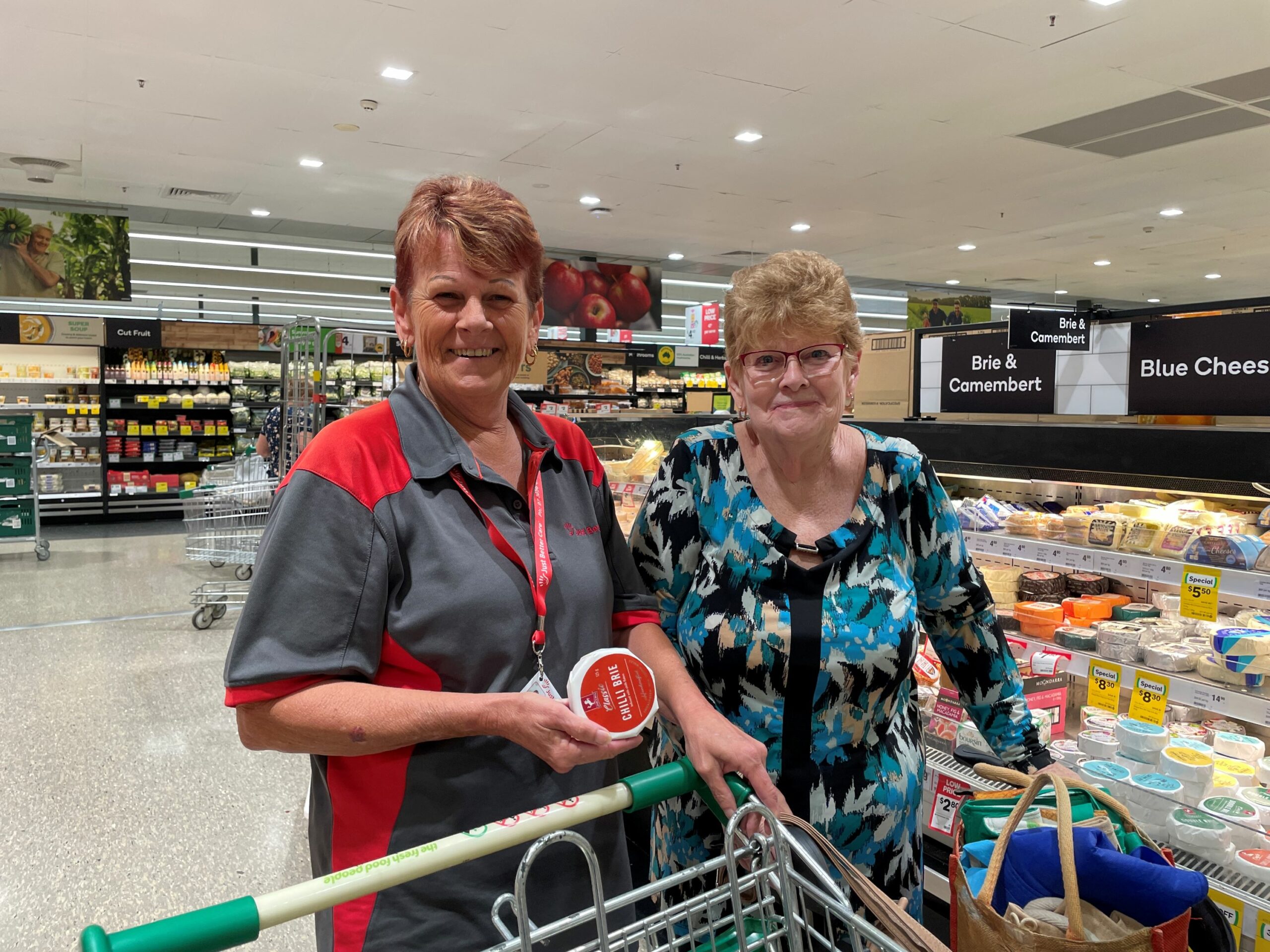
Doctors diagnosed Barbara with melanoma, giving her just eight months to live. That was five years ago! At the time, the news plunged her into a world of uncertainty.
With no family living nearby to provide the support she needed, Barbara turned to a home care provider for help with transport to medical appointments, home cleaning, grocery shopping and social support. That’s when Barbara met Kim Long from Just Better Care Brisbane North. It was the beginning of a beautiful working friendship.
“Kim is my primary support. She is an amazing, caring person who makes my life worthwhile. Without her I would need to be in care,” Barbara said.
“My oncologist has high regard for her also because of the way she cares for me.”
Before she met Barbara, Kim was unemployed. Her job network suggested a career change through a Certificate in Disability and Aged Care.
“Barbara was my first ever client five years ago,” Kim said.
“I wish I’d found this profession years ago. It’s just such a rewarding job in the rapport that I feel with the customers and the difference I can make to their lives.” The pair find solace in shared moments like grocery shopping, outings for coffee, walks along the foreshore and trips to Bunnings, where Barbara indulges in her passion for orchids.
“We just seem to hit it off pretty well … and we just laugh and joke the whole time we are out together,” Barbara said.
Barbara is so grateful that she nominated Kim for a national award: the Aged and Community Care Providers Association (ACCPA) ‘You Are ACE!’ recognition.
ACCPA CEO Tom Symondson said home care workers like Kim can change lives.
“More and more older Australians are choosing to stay in their homes longer and caring people like Kim make that happen,” he said.
“There’s a massive shortage of carers in Australian aged care and the beautiful friendship between Kim and Barbara shows just how rewarding a career it can be.” Kim says her three children and three grandchildren are “tickled pink” with the recognition.





