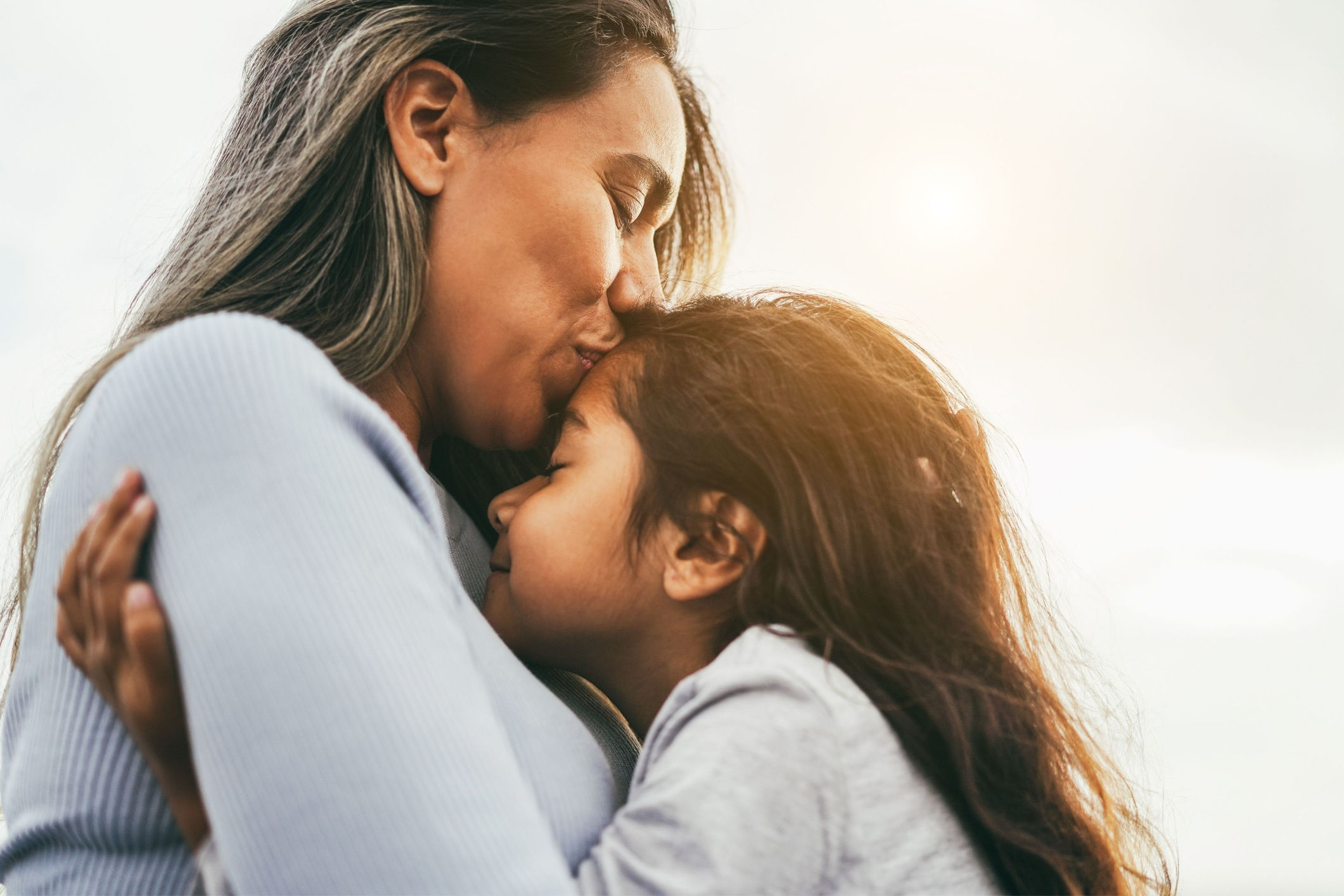
An Adelaide mum is raising awareness of childhood dementia after the heartbreaking diagnosis that all three of her young children have a rare genetic disorder that could tragically impact their lives.
Renee Staska is a mother of three – Hudson, Holly and Austin, her youngest. During Austin’s pregnancy, a growth scan at 28 weeks revealed an accumulation of fluid in the abdomen known as ascites.
Austin’s condition showed improvement and at 38 weeks Ms Staska was induced. Her newborn had both an enlarged spleen and liver, although doctors were confident his organs would also improve with time.
When it didn’t, they decided to run some tests that revealed young Austin had a rare genetic disorder called Niemann-Pick Type C.
“He was pretty much perfect. He still had the enlarged liver and spleen, so we went under the care of the gastro team at Women’s and Children’s,” Ms Staska told ABC News.
“From there, he just kept on plodding along, getting better and better.
“He was eight months old when the doctor said ‘it’s just taking a little bit longer than I would expect for his liver to go back to a normal function – I’m just going to run some gene panels’.”
Niemann-Pick Type C is one of over 70 childhood dementia disorders. It causes an accumulation of cholesterol and fatty acids throughout body cells, which in turn, affects the brain and organs through progressive intellectual decline, loss of motor skills, seizures and dementia.
And when Austin’s genetic testing returned a positive result, Ms Staska immediately wanted to have her two older children tested to ensure she wouldn’t be worried about the uncertainty of their health.
Despite Hudson and Holly being asymptomatic – and no other family members ever being diagnosed – they were also found to have Niemann-Pick Type C childhood dementia.
“It’s ever-present,” Ms Staska told Today Extra.
“Even on our good days, it’s always there, always hanging over our heads.”
Roughly one child in every 2800 global births is diagnosed with a form of childhood dementia, with an estimated 2300 Australians living with the rare genetic condition.
Other types of childhood dementia include Batten disease and Sanfilippo syndrome.
Ms Staska was sadly told all three children have a terminal diagnosis as there is no cure, and the average lifespan for someone with childhood dementia is 28 years.
She said the signs of childhood dementia have also started to appear in all three children.
“They have very short attention spans,” Ms Staska said.
“They are very impulsive children and the emotional scale is 0 to 100 all the time.
“They have a lot of appointments and hospital trips but they don’t know that not everybody does.
“Otherwise they look normal, and probably from afar, you would not pick that anything is wrong at all.”
Government funding into childhood research dementia has previously been about 20 times less than childhood cancer despite a similar number of deaths occurring each year, although that’s set to change in 2023.
In March, $2.7 million in research funding was awarded to five separate childhood dementia projects aimed at accelerating treatment options.
Doctor Kris Elvidge, Head of Research at the Childhood Dementia Initiative, said the funding will help cover new ground that’s never been explored.
“This is a great step not just because more funding for childhood dementia research is urgently needed, but because these projects demonstrate the growing adoption of new approaches to childhood dementia research,” Dr Elvidge said.
“Instead of the traditional approach of studying one individual type of childhood dementia in isolation, these projects either focus on multiple childhood dementia conditions at once or will have outcomes that can benefit childhood dementia broadly.
“Research of this kind will accelerate progress for children.”
For Ms Staska and her family, the goal is to focus on every precious moment by living life to its fullest and holding onto hope.
“I absolutely have to hold on to hope that further research can happen because time is not on our side,” she said.


