According to an Oxford Academic approximately “1 billion people have vitamin D deficiency or insufficiency worldwide and it is particularly prevalent among elderly people.” This deficiency can have a tremendous impact on this population. As a caregiver, it’s important to know the possible consequences and what you can do to help ensure your loved one is receiving their quotient of this important nutrient.
The role that vitamin D plays in maintaining the health of the human body is vast. A deficiency in vitamin D has been proven to increase the risk of osteoporosis, leading to falls and fractures in the elderly. It is also related to a number of other diseases in the elderly including breast, prostate and colon cancers, type 2 diabetes, cardiovascular disorders, arthritis and cognitive decline.
Specific studies have shown the following:
Vitamin D is largely derived from the sun. With the increasing concern of damage to the skin and the corresponding diseases, many elderly limit their sun exposure. According to the National Institute of Health, it takes 5 to 30 minutes of sun exposure (depending on where you live) between 10am and 3pm at least twice a week to the face, arms, legs, or back without sunscreen to make a sufficient amount of vitamin D. In addition, due to the changes that occur in aging skin, the ability to synthesize vitamin D is reduced. As kidney function diminishes, the body is less able to process the vitamin D it does receive.
It is easy to mistake the subtle symptoms associated with vitamin D deficiency for other diseases or as a generalized part of the aging process. A few of the signs include increasing fatigue, muscle pain and weakness, high blood pressure, poor sleep and possible headaches.
Clinical studies have shown that 400 IU of vitamin D taken along with 1000 mg of calcium every day reduces the risk of fractures for those who are age 65 and over and living at home. Another study showed a decrease in high blood pressure among elderly woman who took 800 IU of vitamin D per day along with calcium. Researchers analyzed 40,000 elderly people and found that high intakes of vitamin D supplements of approximately 800 IU per day reduced hip and non-spine fractures by 20 percent. Vitamin D also helps to increase muscle strength—an important component of keeping your loved one fall-free.
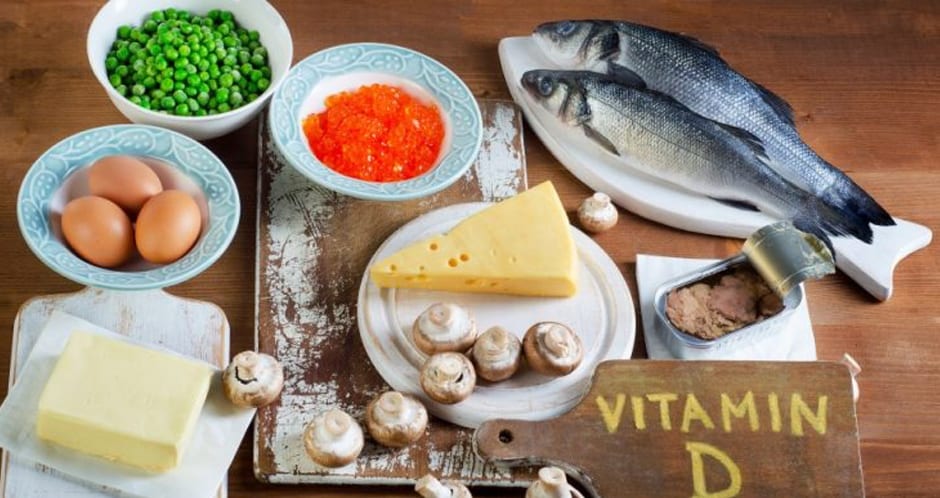
While 30 minutes of sun exposure is too much for many seniors, 10 minutes a day can be beneficial both for vitamin D supplementation as well as the feel-good mood altering effects sunshine can bring. Help incorporate foods that are high in vitamin D into their diet. These include: cod liver oil, salmon, mackerel, tuna, beef liver, cheese, egg yolks, and fortified foods such as milk, juices and cereal.
Because of the difficulty in obtaining the full amount of required vitamin D from food alone, supplementation is often recommended. The National Institutes of Health Office of Dietary Supplements recommends the following: Up to the age of 70, 600 IU daily. After the age of 70 this amount increases to 800 IU every day. Several studies, however, are showing an increased benefit to the elderly taking 800 IU as compared to the lower amount. It’s best to check with your parent’s primary health care provider regarding their specific recommendations. And be sure to ask their doctor or pharmacist about any medications they may be taking, such as cholesterol-lowering drugs, that may inhibit vitamin D absorption.



5