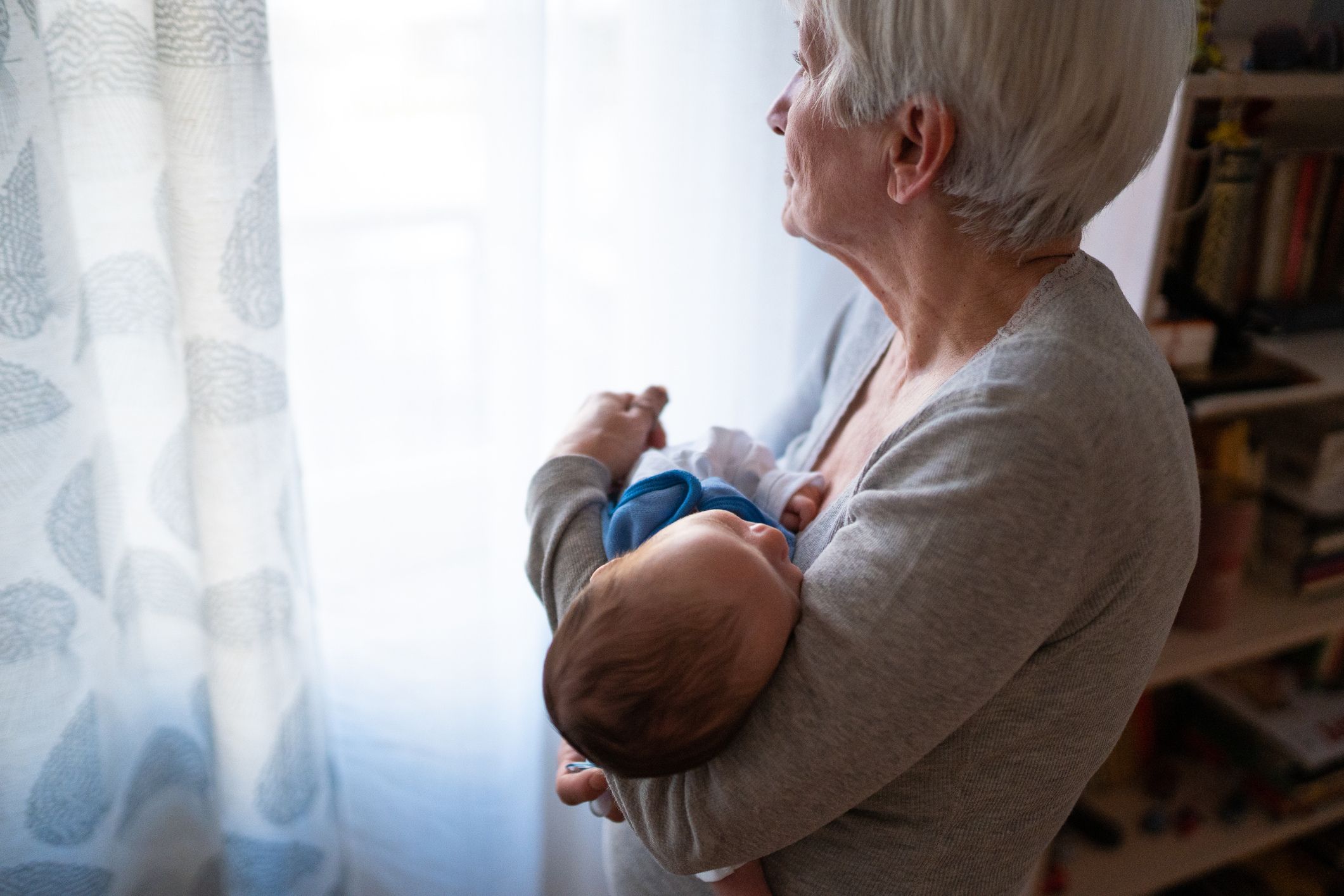
Navigating the transition into grandparenthood can be a complex emotional landscape, especially for those who have recently enjoyed the freedom of retirement. A recent post on Gransnet by a new grandmother provides a poignant snapshot of this dilemma.
The author, who retired after a long career and is now relishing newfound freedoms, faces a tug-of-war between her personal desires and the emerging responsibilities as a grandparent. Her situation raises broader questions about the balance between personal freedom and family obligations.
The emotional complexity of this situation is evident in the grandmother’s post. After years of working hard and managing a busy household, retirement offers a long-awaited respite—a time to focus on personal interests and activities that bring joy and satisfaction.
The arrival of a grandchild represents a new chapter that, while joyous, introduces a significant shift in her personal landscape.
The grandmother’s reluctance to commit to a regular babysitting schedule is not about a lack of love or support for her family but rather about the fear of losing the freedom she has only recently reclaimed.
This concern is underscored by her careful consideration of the balance between helping out and maintaining her lifestyle choices, such as frequent travel and pursuing hobbies.
The Pressure to ‘Do the Right Thing’
There’s an underlying pressure many grandparents feel to conform to traditional expectations of familial roles. Society often romanticises the role of the grandparent as a constant, reliable presence in a grandchild’s life. This can create a sense of obligation, making it difficult for new grandparents to navigate their own desires against perceived duties.
Our poster’s feelings of selfishness reflect this societal pressure. She questions whether wanting to retain her freedom is at odds with being a supportive grandparent. This internal conflict is a common experience and speaks to the broader challenge of negotiating personal desires with family expectations.
Practical Advice for Balancing Responsibilities
Here’s some practical advice drawn from the situation described in the Gransnet post:
The Broader Implications
The broader implications of this dilemma touch on how we view the roles of grandparents in modern society. As life expectancy increases and retirement becomes a time of active pursuit of personal interests, the traditional roles of grandparents are evolving. There’s a growing recognition that grandparents, like anyone else, need to balance personal freedom with family responsibilities.
The Gransnet post highlights a significant shift in how we approach grandparenthood. It underscores the need for evolving family dynamics where personal boundaries are respected alongside familial support. By addressing these issues openly and honestly, families can create arrangements that honour both individual desires and collective needs.
The transition into grandparenthood, especially after a period of personal freedom, can be fraught with emotional and practical challenges. The Gransnet post provides a window into these complexities, offering a starting point for discussions about balancing personal autonomy with family obligations. By setting clear boundaries, exploring alternative forms of support, and reflecting on one’s own needs, new grandparents can find a way to navigate this transition with grace and fulfilment.


