This International Women’s Day, artists and older people advocacy groups have banded together to start the #OlderWomenCount social media campaign, aimed to change culture, combat inequalities and promote respect for older women.
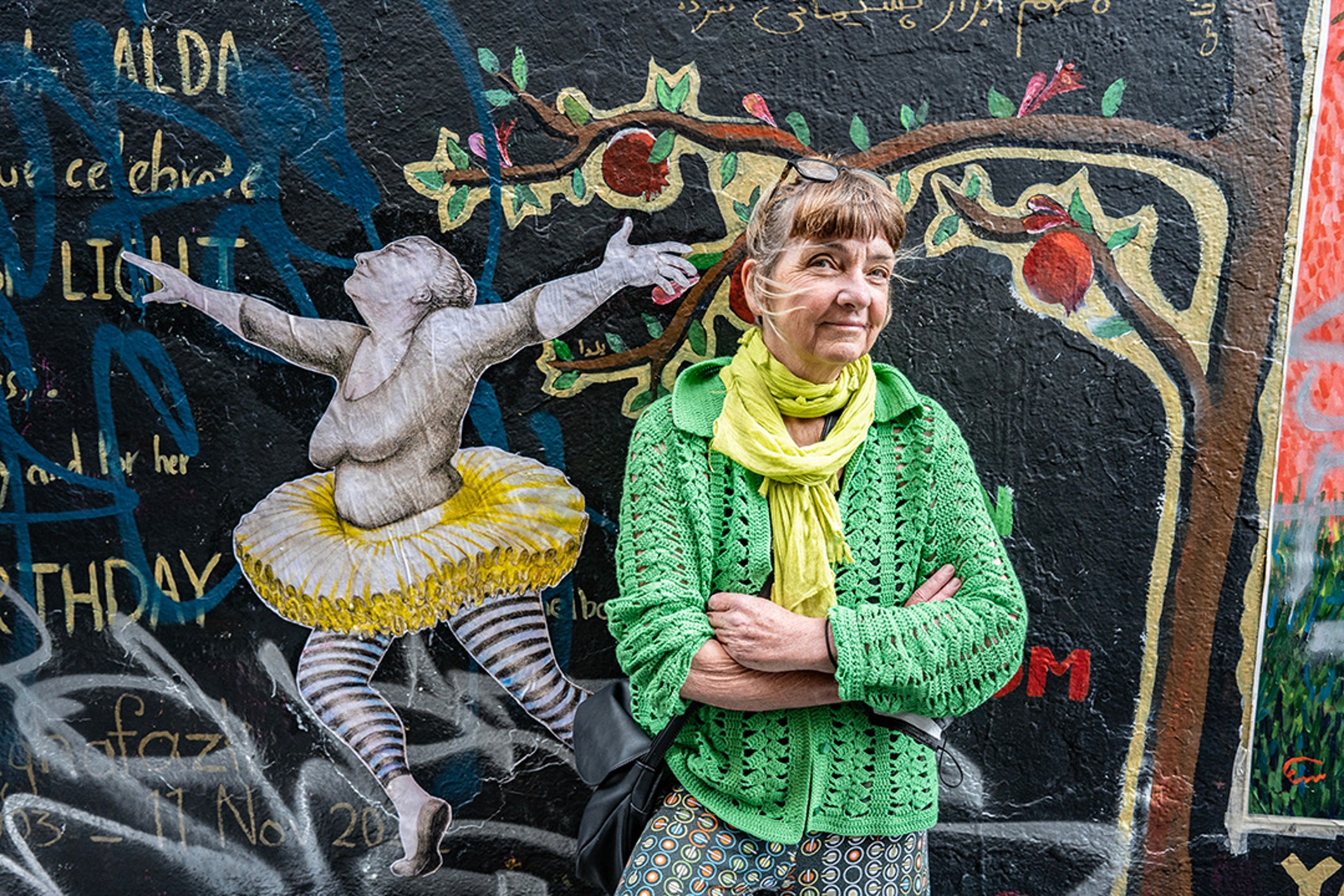
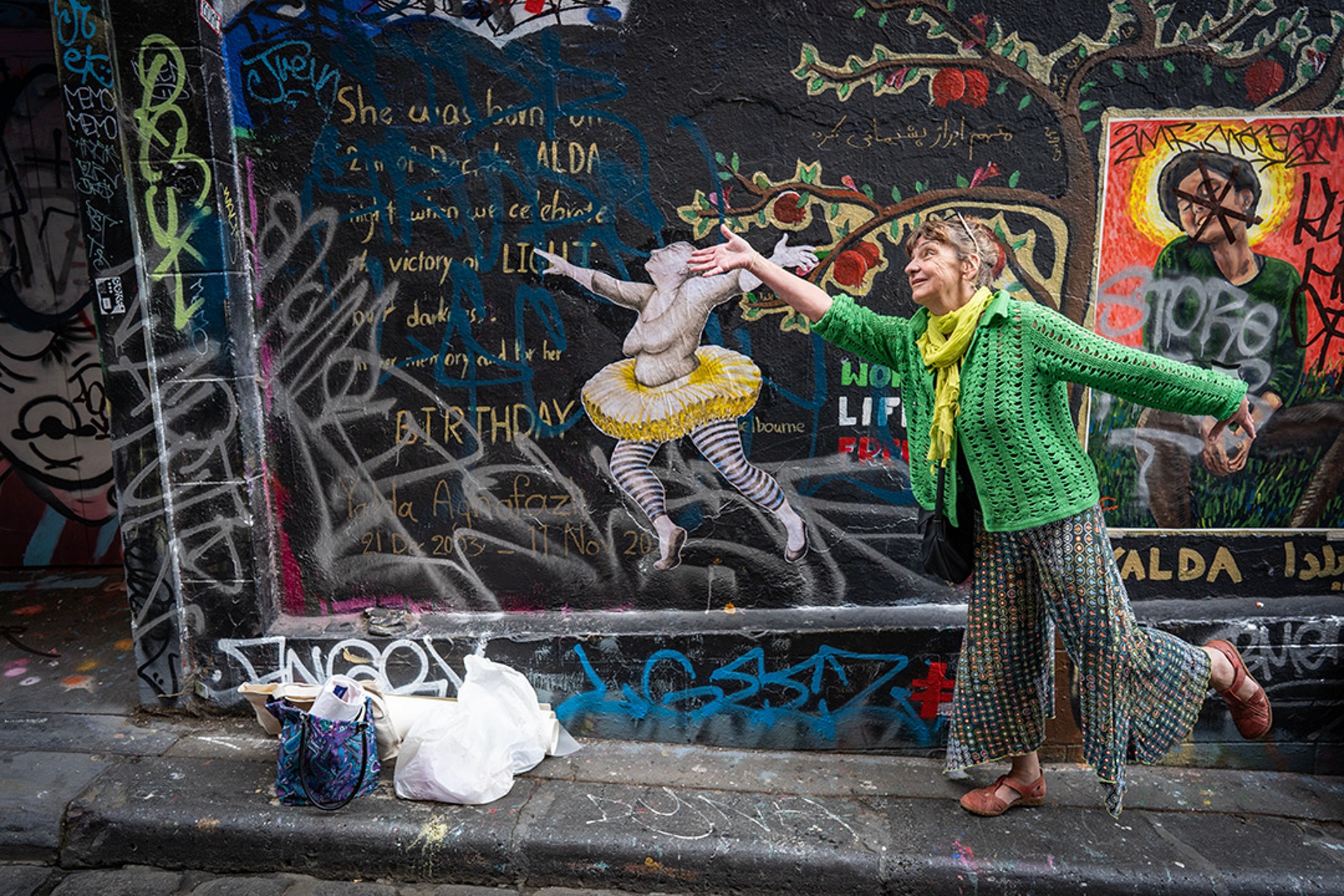
The campaign includes a paste-up in a popular graffiti laneway, Hosier Lane in Melbourne by older artist and activist, Dr Deborah Wood, to launch the social media campaign calling for people to share stories about the contributions and achievements of older women.
In the campaign video, Dr Wood talks about her love of street art and her ‘dancing ladies’ because it is accessible for all and is visible “at the most basic level”.
“I really really feel compelled to put up images of women either enraged or in joy. Rage and joy are great motivators. The more images that get seem to become normalised and can make a little difference,” she said.
“I like the delight my ‘dancing ladies’ bring and I do deliberately try to make them not look ballet-like.”
The campaign also will feature an Australian-first checklist for the inclusion and valuing of older women in many different industries.
2.2 million Australian women are aged 65 years and over and often these women are not given enough space on today’s internationally recognised day for women.
The campaign is a partnership between Celebrate Ageing, the Older Women’s Network NSW, Photos Punctuate My Life photographer, Suzanne Phoenix, and Elder Rights Advocacy and aims to change that.
Celebrate Ageing Chief Executive Officer (CEO), Catherine Barrett, said awareness isn’t enough – that a grassroots movement is needed to call out the ageism and sexism older women experience.
“It’s a mistake to believe that only those who perpetrate abuse and violence against older women need to change. We must all take responsibility for the daily microaggressions and the eroding of respect for older women,” she said.
Older women are the fastest growing group to be victims of homelessness, the lowest income earning family group, the largest group of unpaid carers, and are more likely to live in poverty and experience workplace discrimination, elder abuse, sexual assault and family violence.
Witnessing the disrespect and devaluing of women every day, Elder Rights Advocacy CEO, Debra Nicholl echoed the message that everyone in the community has a responsibility to help erode the prejudice.
She said that “there is an urgent need for service providers and the broader community to understand that we all have a role to play in preventing abuse before it occurs”.
“One way to achieve this is by reflecting on the contributions and achievements of older women,” she said.
To see more of Dr Wood’s art, visit her Instagram @debwoodoc





