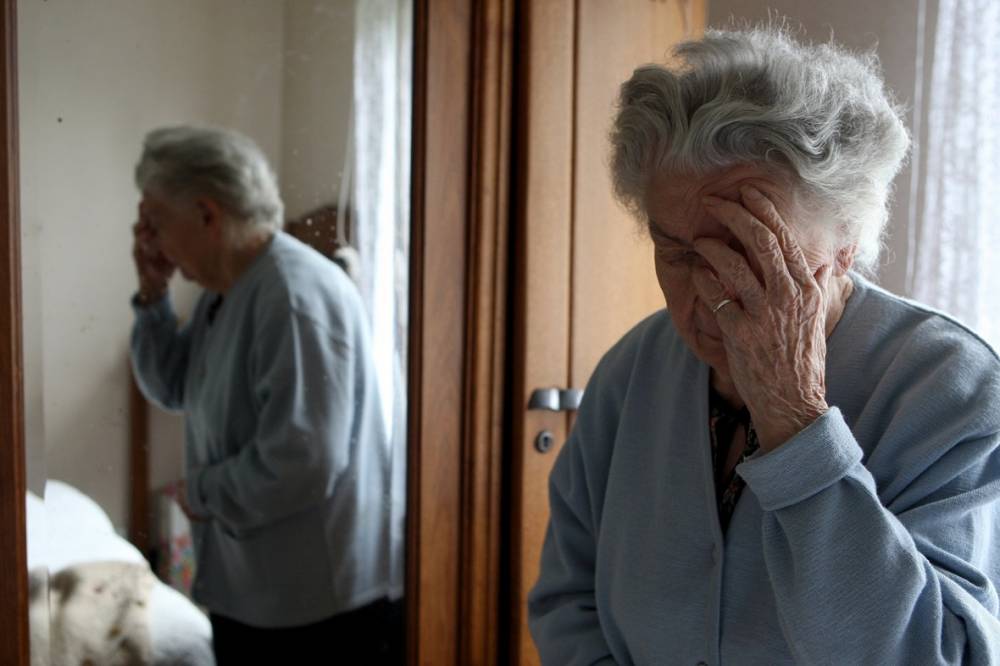
Many older people find themselves living with pain. However, it should be noted that pain is not an inherent part of ageing.
The reason pain is more prevalent is because of the increasing in age-related disorders – such as dementia, heart disease, diabetes, arthritis to name a few.
For instance, when a person has dementia, their declining brain function and abilities may mean they are less able to communicate to their carers that they are in pain.
If an older person is experiencing pain, then they, or a carer, should seek help to alleviate this pain.
For many, the first line of defence against pain are drug therapies in the form of painkillers. But there are also other alternative therapies that can be utilised to help with pain management.
One such therapy is aromatherapy. Aromatherapy is the use of extracted aromatic essences from plants, usually in the form of essential oils, are used to promote the health of body, mind and spirit.
A 2016 study found that there was a “significant positive effect of aromatherapy in reducing pain”.
In fact, the results indicated that aromatherapy should be considered a safe addition to current pain management procedures as no adverse effects were reported
The therapeutic effects of the essential oils and massage promote an overall sense of well-being and have psychological and physiological benefits including:
Most importantly the touch of massage, using aromatic essential oils, is something most people find very pleasurable.
Various studies have estimated that between 45-80% of residents in aged care facilities have substantial pain that is undertreated. And many of these residents could benefit with the introduction of aromatherapy by a carer or other aged care staff.
Aromacare has its own Pain Management Kit, which has been designed especially to be included in a person’s pain management plan.
This collection of aromatherapy products is specifically designed for use in health care facilities. Carers and nurses will have everything at hand to provide aromatherapy to residents experiencing emotional or physical pain.
Arthritic & Rheumatic Pain – Sore Joints Massage and Body Oil – The pure essential oils in this product have rubefacient, analgesic and anti-inflammatory therapeutic actions.
Muscle Pain – Muscle and Body Massage and Body Oil – The pure essential oils in this product have rubefacient, analgesic, anti-inflammatory therapeutic actions reducing muscle tension, spams and inducing muscle relaxation.
Emotional Pain – Uplifting Massage and Body Oil and Stress Reduction Pure Essential Oil Blend – The pure essential oils used in these products reduce emotional distress and promote a general sense of well-being, calming and soothing of the mind, reducing nervous tension, uplifting the mood and reducing feelings of depression.
The pure essential oils used in these products reduce emotional distress and promote a general sense of well-being, calming and soothing of the mind, reducing nervous tension, uplifting the mood and reducing feelings of depression.





