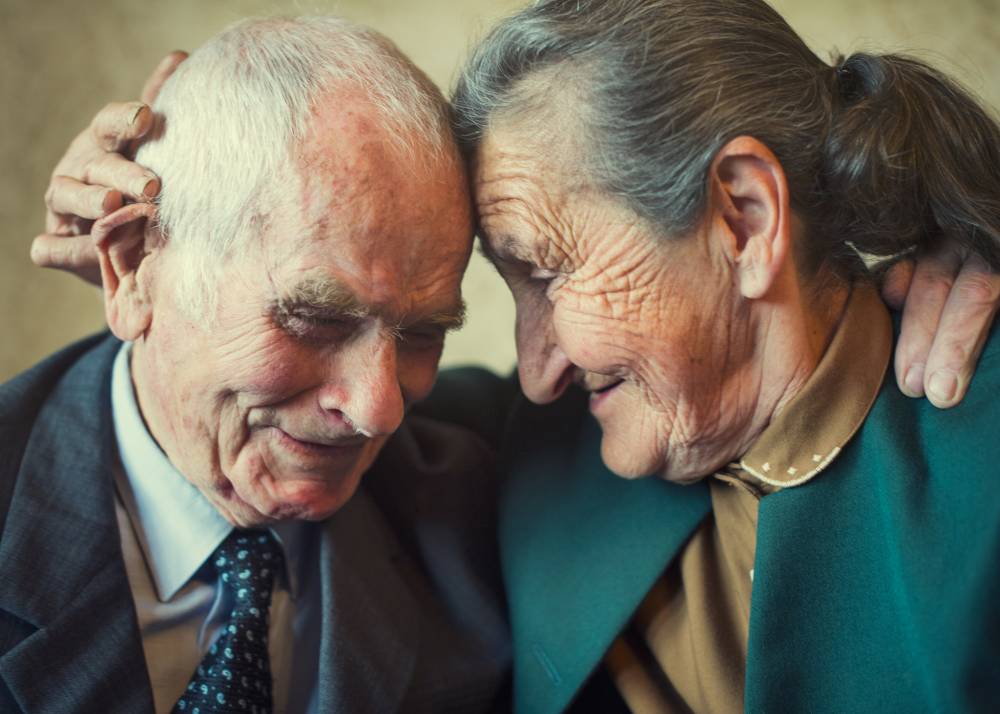
New research shows that many men and women with dementia are still enjoying sex.
According to a study published in the Journal of the American Geriatrics Society, nearly half of men – 46% – and 18% of women with dementia are sexually active.
The study looked at the sex lives of nearly 3,200 Americans aged 62 years and over.
Perhaps surprisingly, the researchers found that 40% of those with dementia, partnered, and aged between 80 and 91 years are still sexually active.
Emeritus Professor La Trobe University Rhonda Nay told HelloCare that many people with dementia do remain sexually active.
“Feelings are very important and remain, even when memory of people and objects may fail. People with dementia still want to express and enjoy their sexuality,” she said.
But she said that everyone is different when it comes to their sexuality.
“As it is with people not living with dementia, everyone is different. Some folk never enjoy sex for lots of reasons. Some can’t get enough!” she said.
The study found that of those with dementia, more than one‐third of men (37%) and one in 10 women (12%) experienced “bothersome” sexual problems.
Despite the high rates of reporting problems with sex, the subjects of the study didn’t talk to their doctors about having sex. Only 17 percent of men with dementia and 1 percent of women with dementia said they had talked to their doctor about sex.
Subjects of the study with dementia reported more often they felt obligated to have sex, and those with dementia were more likely than others to engage in sexual activity without feeling aroused.
Emeritus Professor Nay said consent can also be an issue when it comes to people with dementia.
“If a person with dementia acts sexually toward someone who neither consents or assents, this causes problems – as it does in any situation,” she said.
“If a person with dementia does not appreciate sexual advances, even a long-standing spouse/partner, they have to respect that decision. This can be hurtful,” she said.
For carers, dealing with the sexuality of people with dementia can be complex. There are families to consider, and sometimes a mismatch of intentions.
But when both parties want to be sexual are consenting and assenting, carers should provide “privacy and support”, suggested Emeritus Professor Nay.
“If these is no consent, take the necessary action to support the decision of the non assenting person, and look for other ways to support the sexual expression of the instigator”, she said.
Emeritus Professor Nay said the SexAT tool can be useful in determining what is needed in these situations.
The researchers estimate that more than 3 million people over the age of 62 are living with dementia and are sexually active in the US at present, and this number is set to more than double by 2050.
Most people in the study, including men and women with dementia, regarded sex as an important part of life and said they are having sex less often than they would like.
The researchers said an understanding of sexuality of those with dementia should inform how those people are cared for.
“Knowledge about older-adult sexuality in the context of cognitive impairment should inform the approach to advance directives, counselling, treatment, and person-centered decision‐making by physicians and others charged with the ethical and humane care of older adults,” they wrote.





