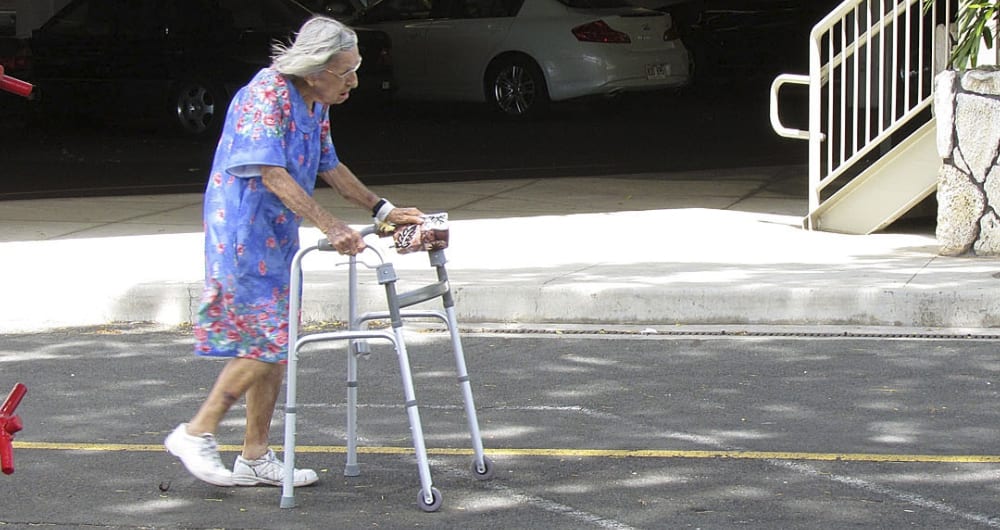
A 40 year old man has been arrested after sexually assaulting an elderly woman at a Melbourne train station last month.
On September 22, the man reportedly approached the 87 year old victim at Aspendale Railway Station at 11:25am.
He called out to the elderly woman, who uses a walker, as she was waiting for the train and asked if she wanted money.
After she declined, the man then kissed the woman on the cheek and then proceeded to physically attack her.
The woman was able to break free and then boarded the train.
The Frankston man was arrested by detectives from the transit crime investigation unit on Tuesday morning.
The assailant has been charged with sexual assault and bailed to appear in the Melbourne Magistrates’ Court on December 15.
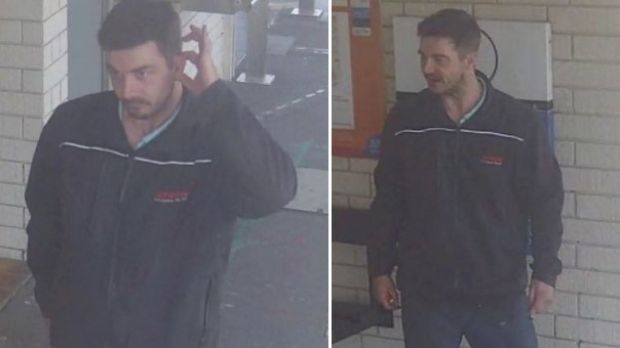
Up until last Tuesday, the police was searching for the offender who boarded a train to Frankston and got off at the Carrum Railway Station at around noon.
They released images of the offender, as seen below, who was described as “Caucasian in appearance, with facial hair, brown hair and a medium build”.
Elder abuse can come in various shapes and forms – the most common forms that people may think of is physical or emotional abuse. Even financial abuse.
However, sexual abuse is also a serious issue that elderly people may face.
The sexual abuse of elders is poorly understood and under-researched, they are often victimised because of their frail vulnerable condition – such as the woman at Aspendale Railway Station who used a walker and potentially had trouble escaping.
Other elderly victims of sexual abuse often have medical issues which can diminish their ability to report the abuse – such as difficulties in communicating, confusion, or memory loss.
The signs and indicators of sexual abuse against the elderly can be either behavioral or physical. They may include:
It can be difficult to raise the subject of sexual abuse as the victim may feel embarrassment or shameful about the incident – despite it not being their fault.
If an elderly person has been through an incident of sexual abuse, it is imperative that the police be notified immediately and that medical attention is sought out.
What do you have to say? Comment, share and like below.





