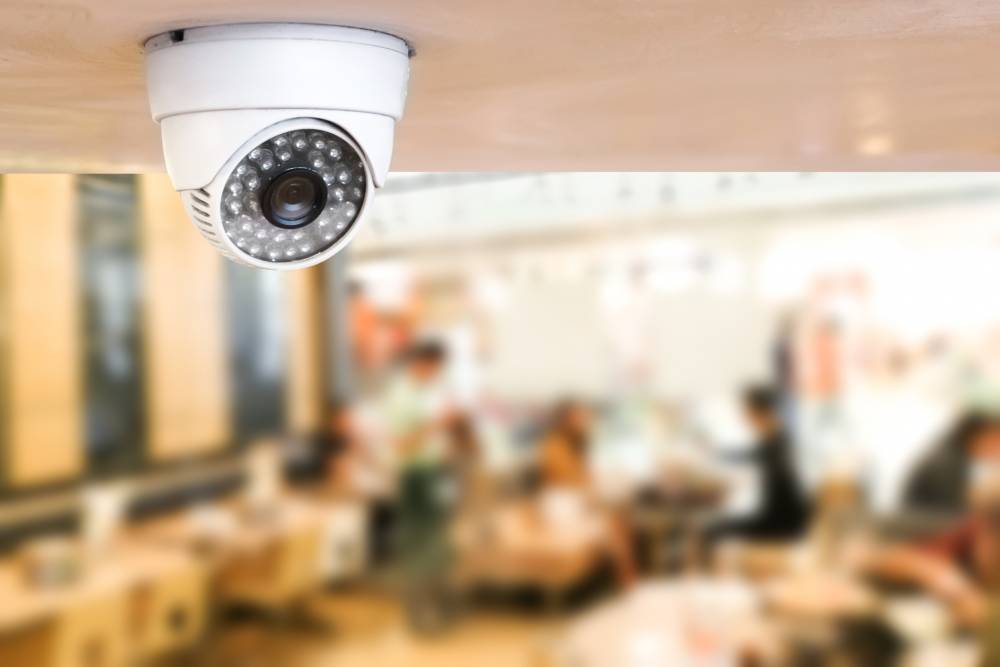
South Australian politician, Frank Pangallo MLC, has introduced legislation into SA parliament that could mean closed circuit television cameras are installed in all aged care residences.
The Bill proposes that cameras be placed in all common areas and bedrooms. Residents would be able to ‘opt in’ to having the camera switched on in their bedroom. Cameras in communal areas would be switched on at all times.
For residents who don’t have the capacity to decide themselves whether or not to have the cameras switched on, the decision would be made by a person authorised to do so by law, Mr Pangallo said.
The Bill proposes that the recordings would be monitored by independent, trained, and authorised bodies, by qualified staff such as nurses or social workers.
The costs of the cameras would be recovered from residents, he said.
“This Bill has been prompted by a litany of elder abuse cases in our community,” Mr Pangallo said in his introduction to the Bill.
“Abuse of the elderly, whether a deliberate act or just through gross negligence, is a stain on our society and we must do more to stop it,” he said.
He said families often have to resort to using cameras themselves if they are suspicious of mistreatment in aged care.
“Often families are at a loss to discover what went wrong unless they take the law into their own hands,” he said.
“If Oakden was fitted with cameras, the systemic abuse from a toxic culture would have been prevented, saving families and residents from the grief and heartbreak they continue to suffer,” he said.
Mr Pangallo said he suspects that the 3,600 complaints received by the Aged Care Complaints Commissioner last year are just the “tip of an iceberg”.
He spoke of the many incidents of abuse he has been told of by his constituents.
The United Kingdom has introduced cameras successfully into aged care, and there is overwhelming support here to do the same, he said.
There are currently 10 aged care homes in South Australia that are non compliant, and two others have sanctions, Mr Pangallo said.
He said that in the wake of the Oakden scandal, South Australia wishes to be a leader in the protection of those in aged care, and he hopes the Bill will be supported.
“Oakden was a tragic and disgraceful blight on the aged care industry in South Australia and a sad and reprehensible chapter in the state’s history,” he said.
“Given this Government’s desire to be a national leader in protecting those in aged care, I am hopeful my Private Member’s Bill will win the support of Parliament.”
Mr Pangallo is a member of the SA_BEST party, and his private members bill was introduced to parliament on Tuesday this week.
“[Installing cameras into aged care residences] is the least we can do to show our gratitude to the South Australians who helped shape our state, and who may need our support in their last years,” he said.


