




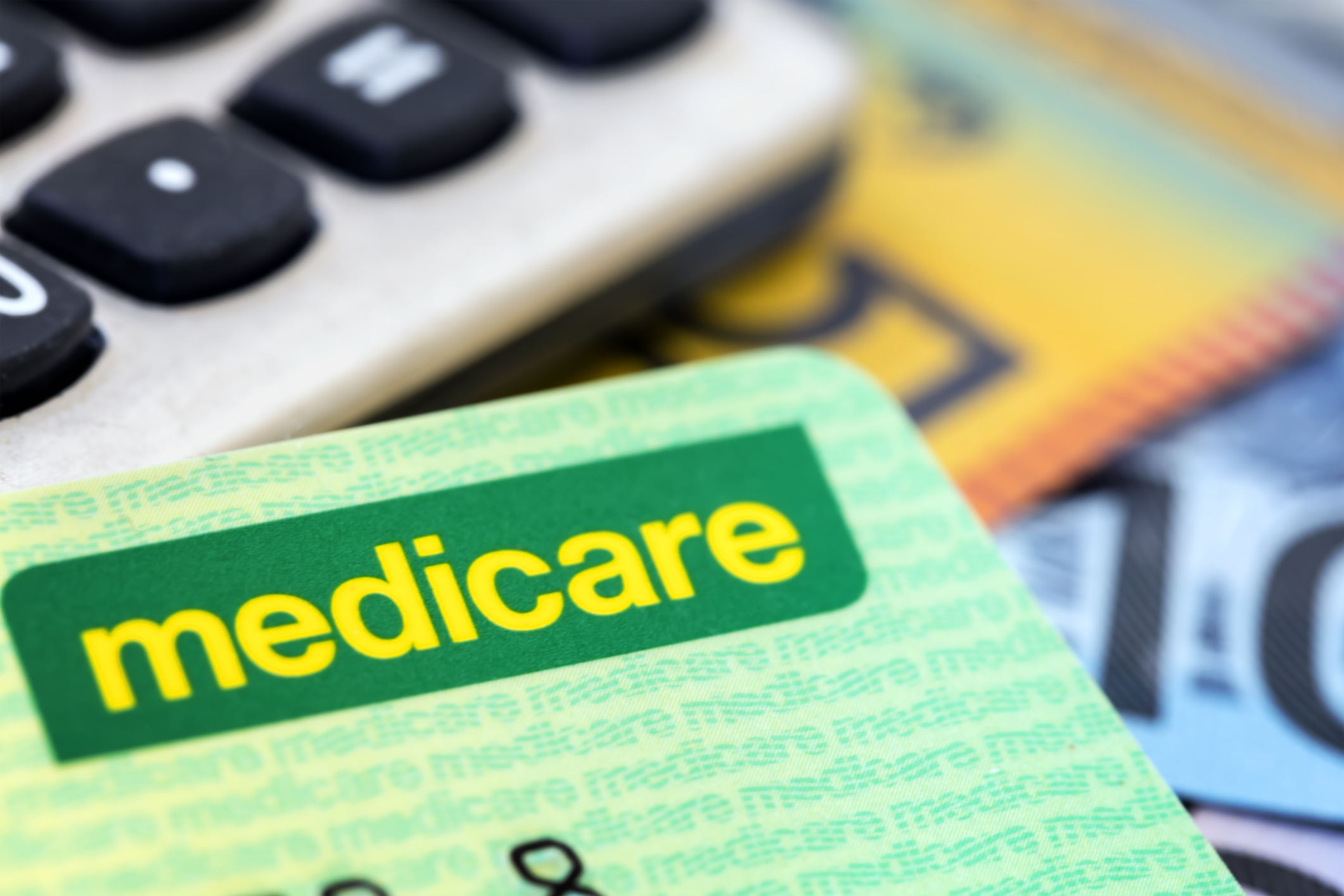
Bulk billing means the consultation is free for the patient and the GP accepts what Medicare covers (the “benefit” or “rebate”) as the full payment.
The highest reported bulk billing rate was in New South Wales (34.5%) and the lowest in the ACT (3.3%) and Tasmania (0%). This caused the Tasmanian health minister to declare bulk billing “dead” in her state.
But does this really mean no Tasmanians are being bulk-billed at the GP?
No – as federal health minister Mark Butler was quick to point out after the report’s release, the company asked 6,925 GP clinics only whether they had standard, weekday consultations available to be bulk-billed for adults with no concessions.
A range of people do have concessions – children under 16, pensioners and people with a health care card – meaning the actual bulk-billing rate is much higher, although Butler said he’d like it to be higher still.
How high should we be aiming? Many Australians may assume universal health care means it should be free to see a GP, regardless of your age, income or postcode.
So we asked five experts: should we be aiming to bulk-bill everyone?
Four out of five said yes.
Here are their detailed responses.


Ruth McHugh-Dillon, Assistant Health Editor, The Conversation
This article is republished from The Conversation under a Creative Commons license. Read the original article.


All people should be able to see a bilk billed GP. So yes, bulk billing needs to be more wide spread in all States.