As we age, there may come a time when we have to accept we need a little more help.
We know most senior Australians wish to remain living in their own home independently and, as such, accepting support can give them the confidence to ensure this happens.
A survey by The Productivity Commission in 2015 found that 83 per cent of Australians over the age of 60 would strongly prefer to age in place, in other words, they would prefer to remain living at home rather than move into residential aged care.
Keeping socially connected with your community can have huge benefits for older people in keeping them independent.
Whether it be visiting the local park, exercising at a yoga class, or simply walking down the street to your local cafe, these types of outings can help older people remain socially connected and physically fit.
It can also help older people from becoming lonely. As research has shown, loneliness can be as bad for your health as smoking.
Mobile Personal Alarms enable older people to leave their house to be active and socially connected, yet remain safe in the knowledge that help is available with only the press of a button.
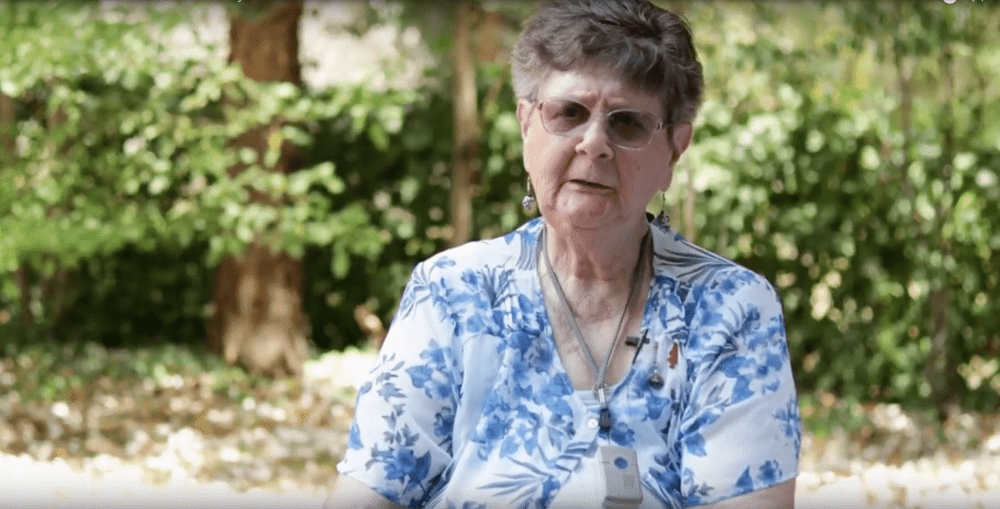
Judith, who lives alone on a 5.5-acre block in the Yarra Valley, decided she needed more support at home, particularly when she was out on her large property. She made the decision to purchase a MePACS Mobile Personal Alarms.
Judith said her mobile alarm now makes her “feel free” to get out and about.
“I don’t need to stay home. I feel wherever I go, I have that safety there.”
Wearing the alarm has also given Judith’s family peace of mind.
“My family, who are not close by, feel very reassured that I have it,” she said – and this was no more pronounced than when Judith recently had a fall and suffered serious injuries.
Judith was hanging out her washing on the clothesline one day, when she fell, not only breaking her arm, but also dislocating her shoulder.
Luckily, Judith was wearing her MePACS Mobile Personal Alarm.
The Personal Alarm Response Team was able to help her immediately, both in practical terms, by calling an ambulance, but also emotionally by keeping in contact with her and reassuring her that help was on its way.
The response staff were wonderful, Judith said.
“They responded instantly which calmed me down, and they were kind and clear with their instructions. They rang the ambulance and they monitored the ambulance to where it was, they could tell me how long until it got here,” she said.
The response team could even tell Judith when the ambulance came through her front gate, and they stayed on the line until they’d spoken to the paramedics.
“They must be very well trained. I found them absolutely fabulous,” Judith said.

Judith said she believes the mobile alarm saved her life.
“If I didn’t have the alarm it could have been days until someone found me.”
Judith said she would recommend the alarm to others who are in circumstances similar to her own.
To find out more about MePACS 24/7 Mobile Personal Alarms click here or call 1800 685 329.


