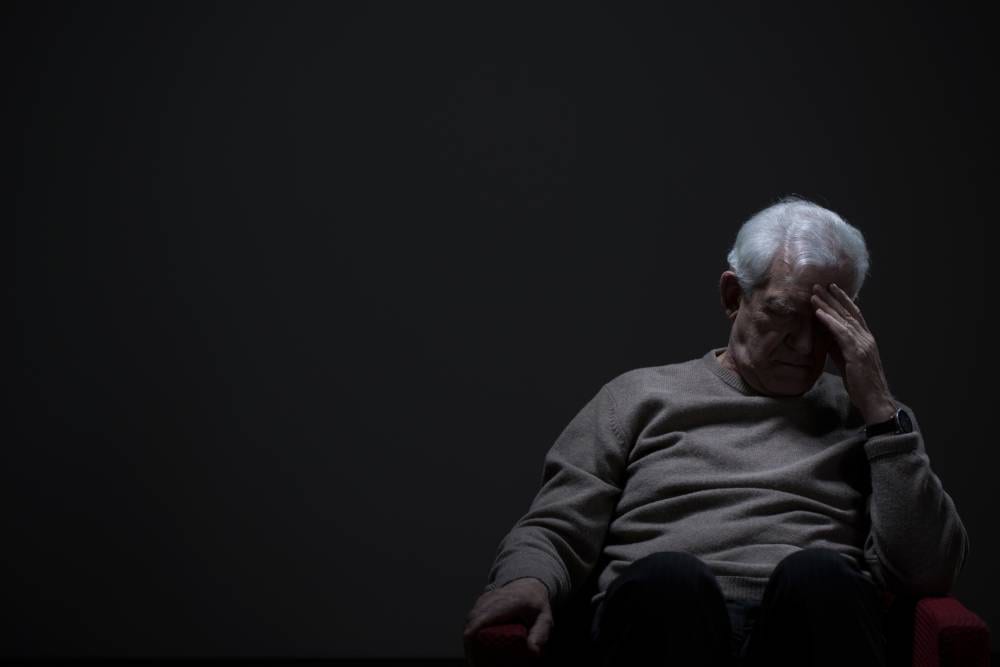
Australia has a growing ageing population – and with it a growing number of people with dementia.
Dementia currently affects more than 420,000 Australians, a number that is predicted to increase to more than a million without any medical intervention by 2056.
Dementia is the single greatest cause of disability in older Australians and the third leading cause of disability overall.
As the older generations deal with age related conditions like dementia, it’s up to the younger generations to care for them.
Younger generations could mean family members, as well as younger people working in the healthcare sector and the aged care industry.
The elderly, each in their own way, have contributed to how society was shaped. They worked hard, raised families, and are the very reason the following generations have the opportunities they have today.
Younger people should give back, and the best way they can do that is to care for older people as they become more fragile with dementia.
It’s also imperative the younger people take on the duty of care, as well as the responsibility of research and treating dementia because ageing is a part of everyone’s future. Dementia will have an impact on younger people too.
Social isolation is a serious problem for older people, especially those with dementia. Many find themselves alone at home, with no family support and no social circle.
Even older people who live in aged care facilities, who would presumably be surrounded by other residents and aged care staff, can still deal with social isolation.
In a statistic released by the Minister for Aged Care, Ken Wyatt, up to 40 per cent of people in residential aged care have no visitors year round.
“It saddens me immensely …. especially those with varying degrees of dementia, receive no visitors,” he said at the time.
“For me, one of the most disturbing trends I see in Australian ageing is loneliness.”
Minster Wyatt had a clear message for the younger generations: “we must all ask ourselves: ‘Do I want to be abandoned in my later years? Is this what my elders deserve? Is this how I want to live out my days?’”
Dementia also comes with a financial responsibility – it’s a condition that leads to older people needing assistance living in their own home, or eventually moving into aged care facilities.
According to Dementia Australia, in 2018 dementia is estimated to cost Australia more than $15 billion. By 2025, the total cost of dementia is predicted to increase to more than $18.7 billion.
Though there is some financial support from the government and the older person’s own savings, a considerable amount will come from younger family members who are concerned with their loved one’s dementia care.
Even if you don’t know someone who has dementia, or you are not financially supporting an older person – there are other ways you can support dementia.
There are charities, dementia support groups and research/education facilities who are willing to accept donations.
While there are small significant gestures that can support older people with dementia, it’s also important to be educated in what it takes to care for the elderly.
The Sarina Russo Institute have a number of courses that teach people the skills and knowledge they need to empower them to care for Australia’s ageing.
The Diploma of Community Services or the Certificate III in Community Services provides students with a pathway to various roles in the Community Services sector.
While their Certificate III in Individual Support (Ageing, Disability) capitalises on an industry with great career opportunities, providing a course that gives job seekers a qualification and entry into an industry which helps people in need.
While it may not be possible to stop the ageing process, and prevent older people from developing dementia, it’s the younger generation’s duty to care for the older people who gave so much to society.


