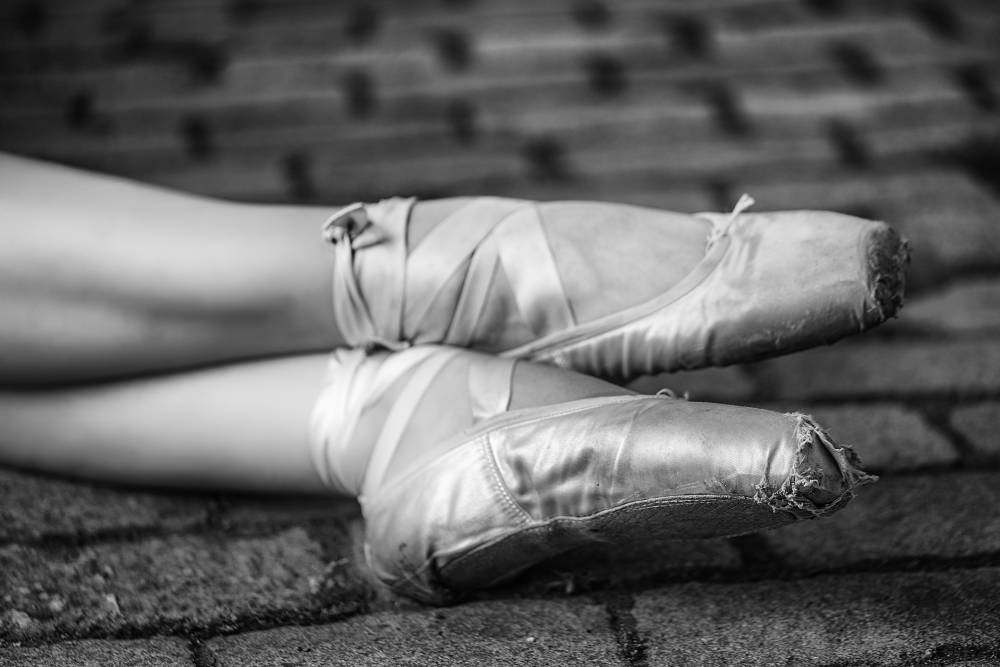
Back when I was a teenager, one of the pop songs that swayed us was Nat King Cole’s rendition of “Dance, Ballerina, Dance”. Both then and now, however, the length of time in which ballerinas can actually do that is – typically – constrained by the vicissitudes on the body by this tough profession. It is, in fact, so punishing that – as pointed out in a 2017 Huffington Post article – “most women peak by their 30th birthday and retire not long after.”
Most, but not all. And two dancers in their fifties are showing innovative ways of prolonging their careers in – rather than on the sidelines or out of – dancing. Wendy Whelan is an American dancer who was 50 years old at the time of the above-mentioned article, which tells the story of her move from ballet in her 40s, to continuing work in contemporary dance.
She performs in collaboration with a “cadre of contemporary choreographers that she assembled….. [And] her new role allows her far more artistic control than she had as a ballerina. She chooses who choreographs on her, she designs programs, she wields far more power than she could as a dancer – something that most ballerinas never get to experience before or after they retire.”
Fifty five-year-old “stellar” Italian ballet dancer Alessandra Ferri, however, has gone one step further, and has been working for change within the challenges of ballet itself. And while she retired at the age of 43 (in 2007), this turned out to be by no means the end of her career as a ballerina. According to a 2019 feature about her in Marie Claire, “the mother of two made a triumphant return to the stage in Italy six years later, eventually being accorded the rare honour of becoming a designated “prima ballerina assoluta.” And what she has done in this role is to “challenge choreographers to create a new generation of older characters and push back against ageist limitations.”
As she put it, “I don’t want to be a Juliet anymore, [or] a girl in love for the first time…. I can’t jump anymore, but I can do something else. I can portray the beauty of a human being in her 50s.”
And at a time when – as noted in the Huffington Post – “most dance companies are [still] run by men, and most chorographers are men,” it is extremely encouraging to find two older female dancers who are expanding and extending the opportunities for their colleagues. And – importantly – they are also bringing an evolving perspective to dance that makes this art form more relatable for older audiences.
Image: Wendy Whelan, image via Wikipedia.





