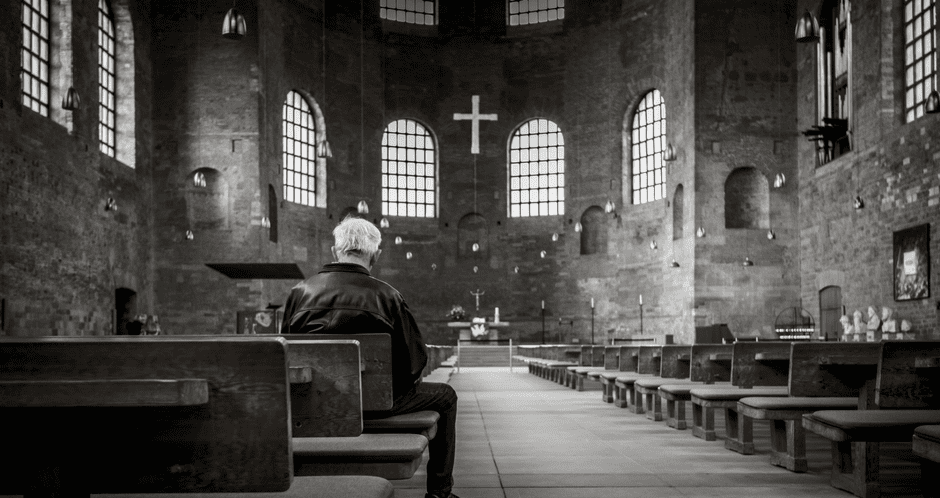
Traditionally death has been a taboo subject within our death denying society, however more and more people are becoming interested in these topic and how they can stay in control of how and where they receive care.
As a society, we have become more distant from death. With the evolution of science, technology and medicine, infant mortality rates and deaths from preventable diseases have decreased. We are also living longer, which pushes back thinking of “when” death may happen to much later than previous generations.
When people think about death, they most commonly associate it with sad things like loss and grief. Then there are other who would want their loved ones to celebrate their life when they pass, not to mourn them.
And there may be something to learn from them.
What if thinking about your own death helped to empower you in life?
Death may seem morbid or something that is far away. But accepting that life does end and accepting your own mortality can open you up to take action on how you live now, and even prepare yourself for “the end”.
Some things that you may or may not have thought about;
You may have talked about this with a loved one, maybe a group of friends, or maybe it’s something you’ve thought about by yourself. Or maybe you haven’t thought about it at all. There are no right or wrong answers, you just have to do what is right for you.
End-of-life care isn’t simply just about making sure the patient is comfortable, some need to consider using tubes to provide artificial hydration and feedings, as well has medication to aid in pain relief or apparatuses to help with breathing.
Another issue is ensuring that people faced with death, which also includes the family and loved ones of the person passing, ‘ask for and accepts help’. This does not always happen.


