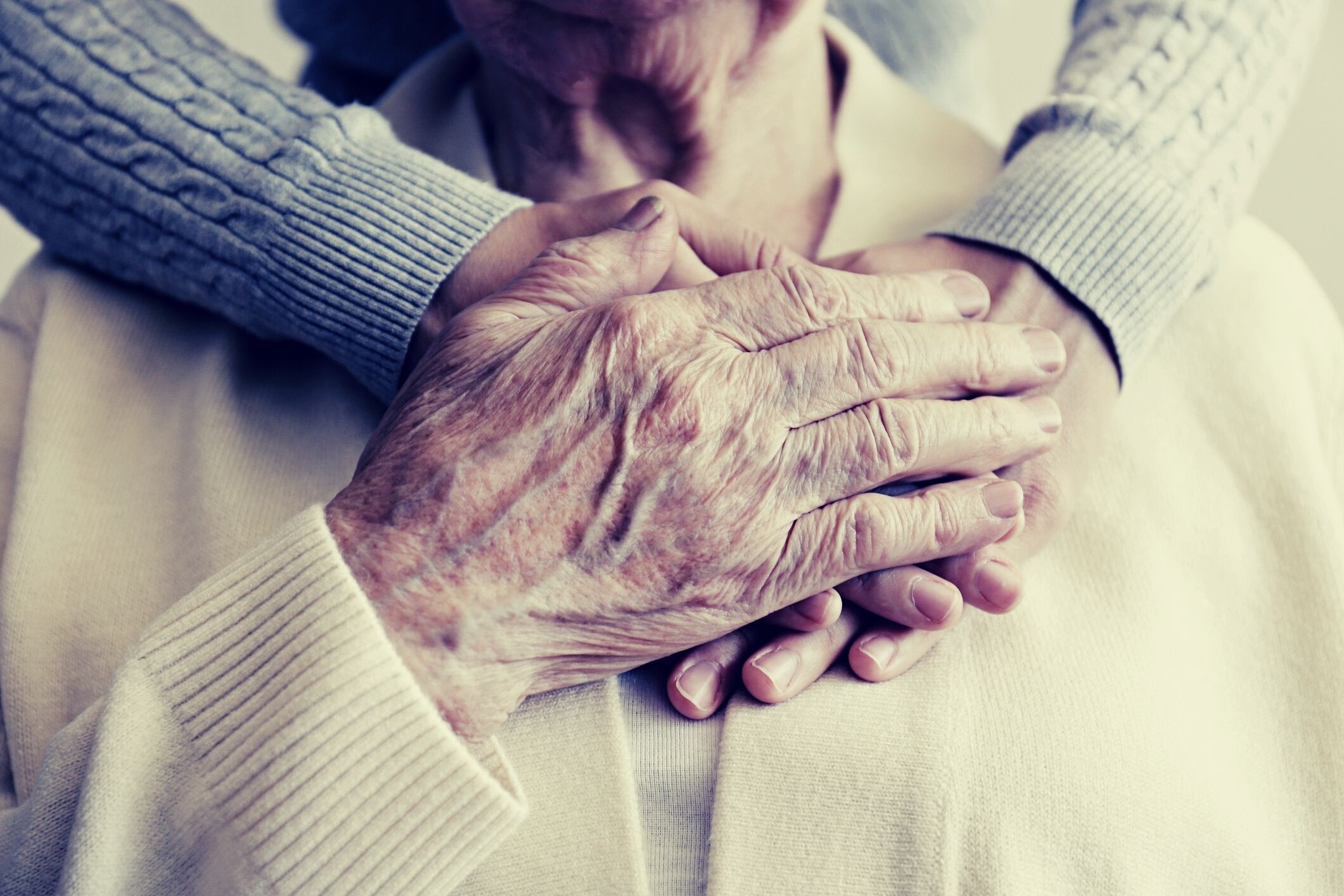
Aunt Alice is my mum’s half-sister. Since I was 12, she had been living with us, and she’d helped my mum raise me.
When we were all together in the living room, Aunt Alice looked at my mum and me and said, “I have breast cancer.”
She’d gotten her diagnosis in 2019 and had kept it to herself all this time. She said she didn’t want to bother us and that she’d already set up an appointment to discuss palliative care with the hospital.
The notion of palliative care was so alien to me – I’d never had to deal with cancer in our family before. We were all healthy and active people, so we didn’t know much about palliative care. This was new territory for us.
Aunt Alice explained that the palliative care offered to her was a supplemental approach that provides specialised care for people living with a severe illness. The program would include the best therapeutic aids for pain, anxiety, and depression.
A team of medical specialists would take care of her needs and improve her quality of life and ours.
I tried to compromise and let her do the program, but I wanted to be involved. I talked to the medical specialist planning her palliative care program. He said I could be as involved as I wanted to be. In fact, he highly encouraged it.
He informed me that I could help with the decision-making about my aunt’s therapy plans, asset protection, and selection of the appropriate patient-centred caregiving plan. I was relieved and started looking at the possible options.
I went over the treatments, care plans, financial resolutions, and daily activities recommended for her. I chose what she most preferred and what I felt would make her happy.
After settling on her palliative care plan, I noticed that Aunt Alice felt lighter and less anxious about her sickness. It made me happy that somehow she gained confidence that she wasn’t alone.
We decided to do the care plan at home. We had a nurse who would come in early in the morning and go home at night. The nurse taught me how to prepare my aunt’s medications and oriented me on her treatments.
Chemotherapy brings a range of unpleasant symptoms like pain, fatigue, loss of appetite, nausea and vomiting. But thanks to Aunt Alice’s palliative care specialists, she was able to take supportive medications to relieve these symptoms.
It still wasn’t easy, of course, but it was good to have a team of professionals working hard to make sure she was comfortable.
Her program also included emotional and spiritual support. Dealing with cancer takes a tremendous toll on the spirit – not just the patient’s but the family’s, too – so we were grateful to have the support.
We were able to keep depression, fear and anxiety at bay through the help of the palliative care team. The specialists helped us arrange a small group session with other cancer survivors to inspire her and keep her hopeful.
Through it all, Aunt Alice remained positive. The time she spent with her small group made her feel like she wasn’t alone in her journey.
I know, too, that choosing to do her palliative care program at home was the best decision we could ever make in this situation. Caregiving is challenging, yes, especially if you don’t have a medical background, but we wouldn’t have it any other way.
We spent most of our mornings on the porch. I read poems to her, and she reminisced about her and mum’s childhood days. She often mentioned how she would love to spend a day on the beach one last time.
Aunt Alice passed in August 2020.
I’m so glad that a few days before that, mum and I were able to surprise her with a day on the beach, just like she wanted. Mum prepared a picnic basket, and I dressed Aunt Alice up in a cute sundress and the biggest hat I could find.
I’m so grateful we decided to go for palliative care. It wasn’t an easy decision, honestly. But I’m happy we took the time to study the care plans and be involved.


