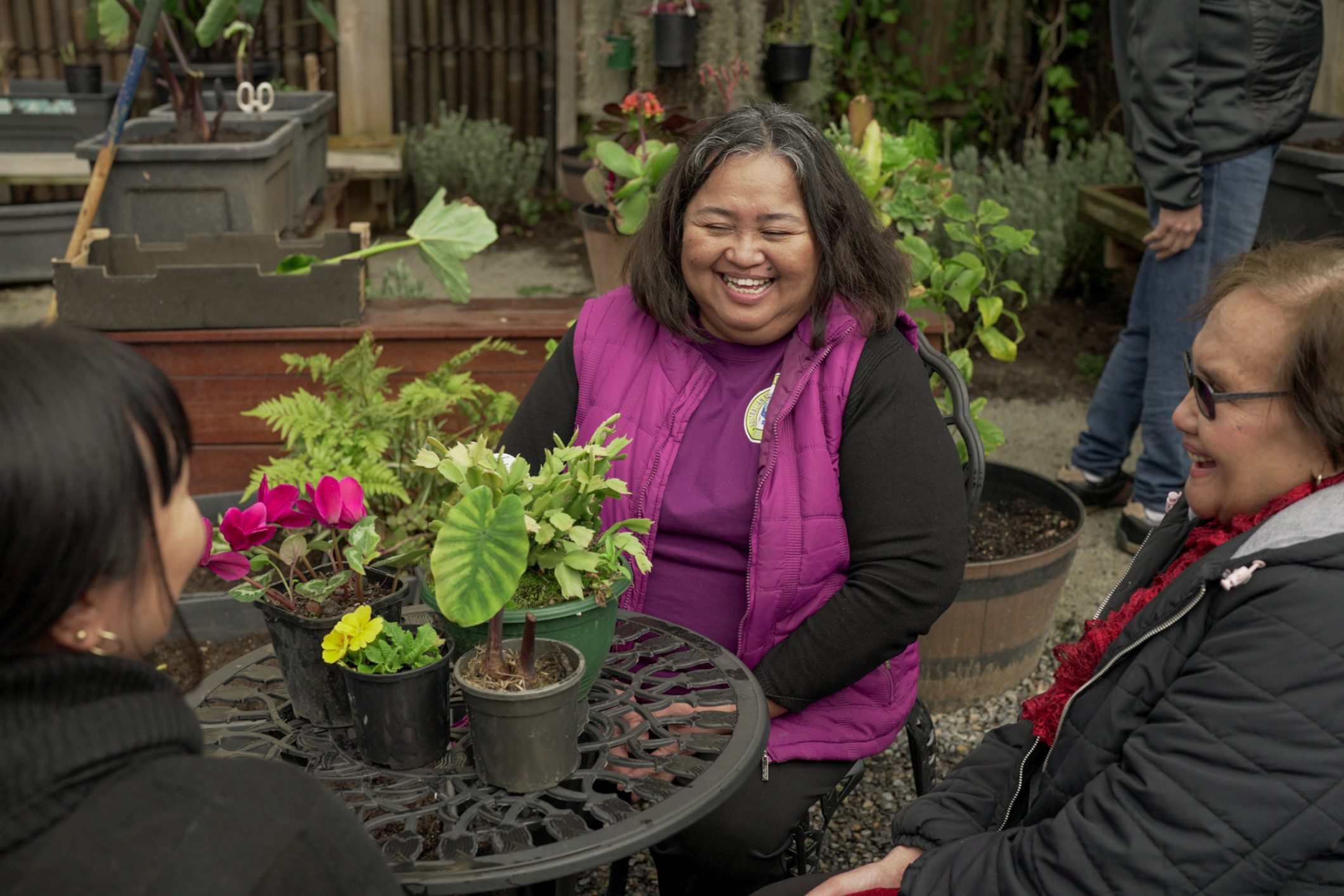
With an estimated half a million Australians living with dementia and 1.6 million people involved in their care, now more than ever, communities need to come together and learn more about how they can support people living with dementia.
Today, Dementia Australia released a new report for Dementia Action Week and World Alzheimer’s Day.
The report, Dismantling dementia discrimination: It starts before the diagnosis, explores the impact of discrimination and how early diagnosis, community awareness and support are critical components to ensuring that people with dementia are supported to live as well as possible.
We know systemic change takes time and with the theme for Dementia Action Week 2022, ’A little support makes a big difference’, we are demonstrating there are many ways that everyone can help to eliminate discrimination against people living with dementia, their families and carers.
Australian and international studies show that stigma and discrimination associated with a dementia diagnosis can discourage people from seeking health care, including a diagnosis, and can also reduce social engagement with family, friends and the broader community.
This can have serious consequences for the physical, cognitive and psychosocial health of the person living with dementia.
A 2021 Dementia Australia survey found 65% of respondents who live with dementia believe discrimination towards people with dementia is common or very common and more than 90% of professionals, volunteers and people not impacted by dementia agree that people living with dementia are likely to be treated differently once they are diagnosed.
The report explores the idea that it is not always evident that someone has dementia and, in the same way that physical ramps and other measures are used to support people with physical disabilities to access spaces, metaphorical ‘ramps’ are needed to inform how we, as a community, can reduce discrimination and stigma for people living with dementia.
A little support for people living with dementia really can make a big difference and communities can play a big role in learning more about how they can support people living with dementia, particularly to the estimated 65% of Australians with dementia who live in the community.
Carers also often report feeling they no longer have the support of family or friends, when people close to them withdraw perhaps not knowing how to help or not wanting to intrude.
General Practitioners (GPs) and other health professionals can help tackle discrimination by improving their own understanding of the benefits of early diagnosis to help overcome any barriers to and delays around accessing support.
This support can include creating physical environments that are more dementia-friendly and improving understanding and awareness of dementia amongst the community and health care professionals.
Some of the practical things people can do is consider the lighting and signage within a physical space so it’s easier to navigate. Small changes such as easy-to-read signs with graphics on doors, such as a toilet door, are very useful.
You can also keep an eye out for people in your community – if someone has moved away from your services or community group, check in with them and see how they’re going. They may just need a little support to return.
Tips to support healthcare professionals who might be supporting a patient with dementia include tips for simple improvements to physical environments, like making sure any important signage is written in large, clear font with clear backgrounds, having environments that are less noisy and are well lit, as well as tips for how to communicate more effectively with a person with dementia.
It is up to all of us to bring about this change. By everyone better understanding dementia, we will eliminate discrimination and its impacts.
No matter who you are or how you have been impacted by dementia, find out more here.


