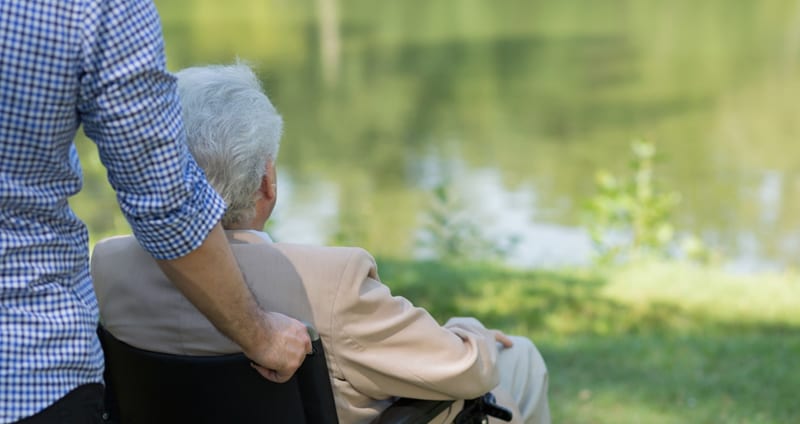
In my experience there are three C’s in dementia, the first one being Compassion, this word has two levels; the first one is obviously the one that every person caring for a person living with dementia must have and that is passion. Passion is defined as having an overwhelming, powerful compelling emotion that can describe the daily life of a caregiver everywhere; because they certainly are not doing the job for the money which is less than you would earn in the fast food industry. They are doing it because they have a full heart and are naturally gifted with the willingness to help others. So when looking at the word altogether as compassion which is defined as having a sympathetic, empathetic understanding for the needs of others, it sums up the role of a caregiver.
The second word I use constantly is Companionship, for a great deal of the time, a person living with dementia may be frightened, confused and bewildered at the world they are living in and their subsequent surroundings. So companionship defined as having someone you trust to share time and friendship with is someone who can help provide comfort and empathy, which in turn may help ease the pain of feeling alone.
Often actions may be silent, for example, a person may just need a hug, hold hands or just sit next to each other knowing that person cares for you and makes you feel safe. We do this all the time in life for the ones we love, that is why it is so important to ensure this activity happens each day for people who live in aged-care facilities. Some may not see family or friends for days, weeks, months and sometimes never, therefore we become their companions on a daily basis where trust and strong relationships can form.
Which comes to my third word Caring, this is what we do as humans for the people we either live with, who are in our lives or whom we are employed to provide care for.
To define care would be someone who has a willingness to provide a safe, understanding for the needs of a person taking into account their physical, emotional, social & spiritual needs on a daily basis. This can be extremely complex considering the number of people each caregiver has responsibility for each day. To know the person can take some time to fully appreciate their likes, dislikes their family, social & personal history helps establish strong bonds and meaningful relationships between the person and the caregiver.
I believe to be a good caregiver there has to be natural nurturing, empathetic approach which inherently is part of the person’s genetic makeup. Not all people make good caregivers, often a person who is caring for a loved one at home may not have wanted, has any desire or is unwilling to provide the type of care a person diagnosed with dementia requires. Emotionally & physically the demands of the person living with dementia may become overwhelmingly exhausting and draining to the person providing the care.
So the message to caregivers throughout the world; paid or unpaid, you are not alone, reach out for support and Companionship from fellow Carers who have the natural qualities of Compassion.



4.5
5