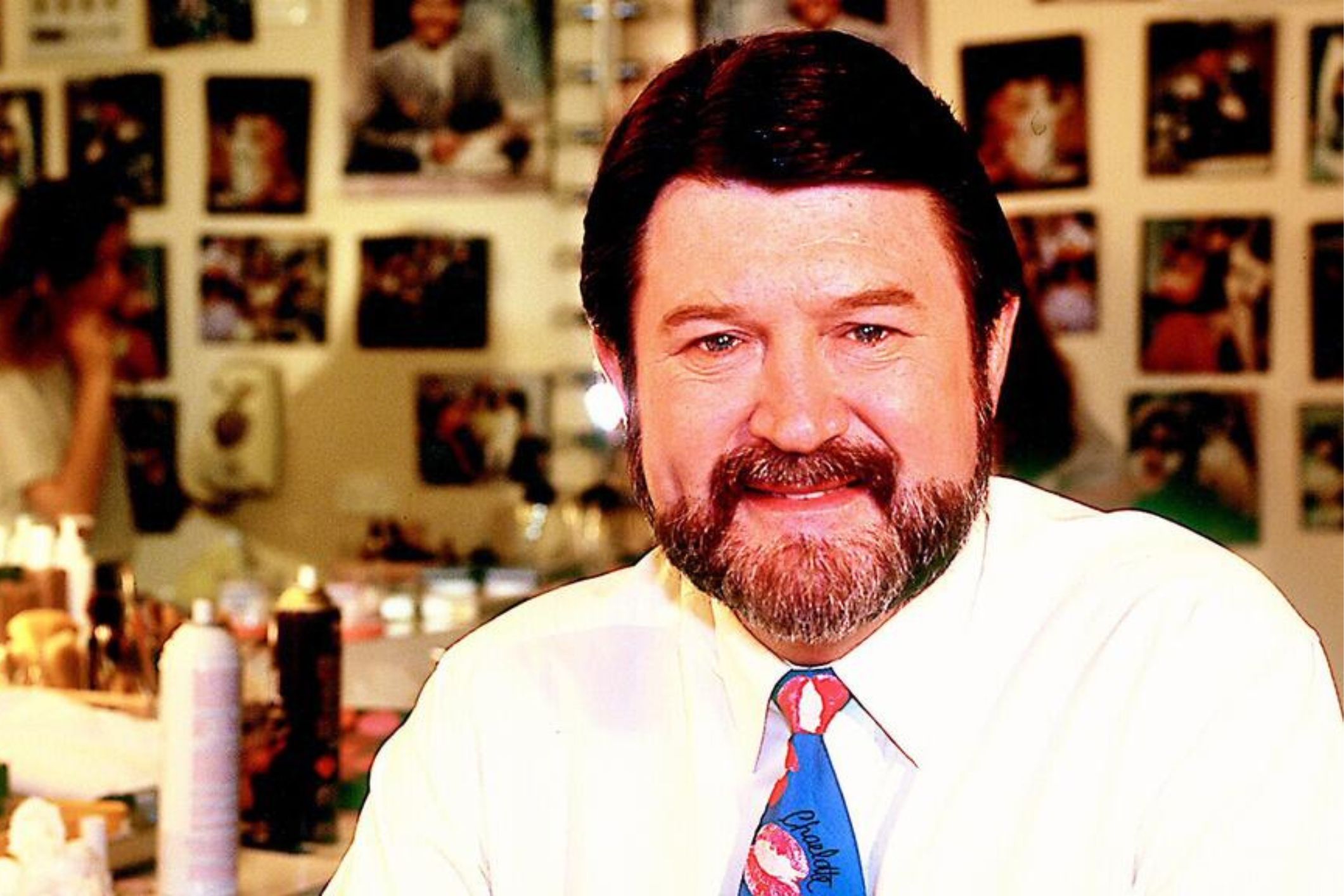
Australia has lost one of its most recognisable and uncompromising media figures, with veteran broadcaster, journalist and former senator Derryn Hinch passing away peacefully in his sleep late last week at the age of 82.
For more than six decades, Hinch was a dominant force across newspapers, radio, television and politics. Loved by many, criticised by others, but ignored by few, he built a career on asking uncomfortable questions, challenging authority and refusing to back down from a fight he believed was worth having.
To generations of Australians, he was simply “The Human Headline”.
While Hinch’s journalism career began in New Zealand before taking him to Australia and even New York, where he covered major events including the Apollo 11 mission and the assassination of Martin Luther King Jr., it was television that made him a household name.
Throughout the late 1980s and early 1990s, Hinch became one of Australia’s biggest media personalities.
His current affairs program Hinch became must-watch television, combining hard-hitting interviews with his trademark direct style. He later hosted The Midday Show and remained a familiar face across commercial television and news commentary programs for decades.
He wasn’t polished in the traditional sense. He didn’t try to be.
Instead, audiences tuned in because they knew exactly what they were getting. Hinch spoke plainly, challenged politicians, confronted criminals and wasn’t afraid to voice opinions that many others avoided.
His catchphrases, including “That’s life” and “Shame, shame, shame”, became part of Australian popular culture and were famously parodied on Fast Forward. Even those who disagreed with him often admitted he was compelling viewing.
More than any television program or political achievement, Hinch will be remembered for his relentless campaign against convicted child sex offenders.
He believed communities deserved to know when dangerous offenders were living among them and repeatedly argued that protecting children should take precedence over legal technicalities.
That campaign came at enormous personal cost.
Hinch was jailed on multiple occasions for breaching suppression orders after publicly identifying convicted sex offenders whose names had been withheld by the courts. Rather than paying a $100,000 contempt fine in 2014, he chose to spend 50 days in prison.
To his supporters, it was an extraordinary act of principle.
Many working-class Australians saw him as someone willing to sacrifice his own freedom to protect children and stand up for victims. They viewed him as a journalist who refused to be silenced by bureaucracy or legal process when public safety was at stake.
Critics argued that suppression orders exist to ensure fair trials and protect the integrity of the justice system. Hinch never denied breaking the law. Instead, he argued there were occasions when the public interest demanded it.
That unwavering conviction helped cement his reputation as one of Australia’s most fearless broadcasters.
In 2016, at the age of 72, Hinch entered federal politics after founding the Justice Party on a platform centred on victims’ rights, tougher sentencing and greater transparency around convicted sex offenders.
He won a Victorian Senate seat, becoming one of the oldest first-time senators in Australian history.
Although his time in Parliament lasted only one term, he successfully pushed for reforms including legislation preventing convicted child sex offenders from travelling overseas without permission.
Even in politics, Hinch remained unmistakably himself. His maiden speech exceeded the allotted time as he named convicted offenders and reiterated his belief that protecting children mattered more than political convention.
Away from the cameras, Hinch’s life was marked by extraordinary highs and devastating lows.
He battled alcoholism, survived liver cancer, underwent a liver transplant in 2011 and later faced numerous health complications including melanoma, blood infections and heart problems.
Yet he remained remarkably open about his struggles, often sharing them publicly with the same honesty that defined his journalism.
His final Facebook post, shared just one day before his passing, showed him enjoying time with his brother Des, a quiet reminder that despite decades in the spotlight, family remained important to him.
Earlier this year, reflecting on his health, Hinch wrote:
“I am 82 and not that well. BUT. I am still moving. Pretty happy. Thinking. Going out. Catching up with friends. Maybe one more year or 10. Who knows? So enjoy. Appreciate still being here. Just do it. Be positive.”
Few figures have divided public opinion quite like Derryn Hinch.
To some, he was provocative, controversial and occasionally reckless.
To many others, particularly blue collar Australians who admired straight talk over political correctness, he was authentic, courageous and prepared to fight for ordinary people when others would not.
Whether confronting politicians, exposing injustice or campaigning for victims of crime, Hinch built a career on saying what he believed needed to be said, regardless of the consequences.
His own suggestion for an epitaph, made in 2025, now feels especially fitting.
“He tried.”
For better or worse, Derryn Hinch spent his life trying to make Australia confront uncomfortable truths. In doing so, he became one of the country’s most memorable and influential media personalities.



Growing up, I loved watching Derryn Hinch on television.
In the last year or so, he somehow started to come up on my Facebook newsfeed. As I work in aged care, he became relatable in his final years of life, posting about regular home life as an older person who slowed down. He often posted what he ate that day, his falls and his visits from Lynda.
Most importantly, he encouraged other older people to use their “Johnnie Walker” (four-wheel walker), often discussing the importance of remaining active and how it gave him some form of independence. He even mentioned how many steps he completed. Something he would not manage without the aid of his “Johnnie Walker”.
RIP to the ever so endearing Derryn Hinch. I will indeed miss seeing your posts. Seeing your canned soup concoctions, or your tuna and scrambled eggs, made me love you and your “realness” and your ability to be relatable, so much more.