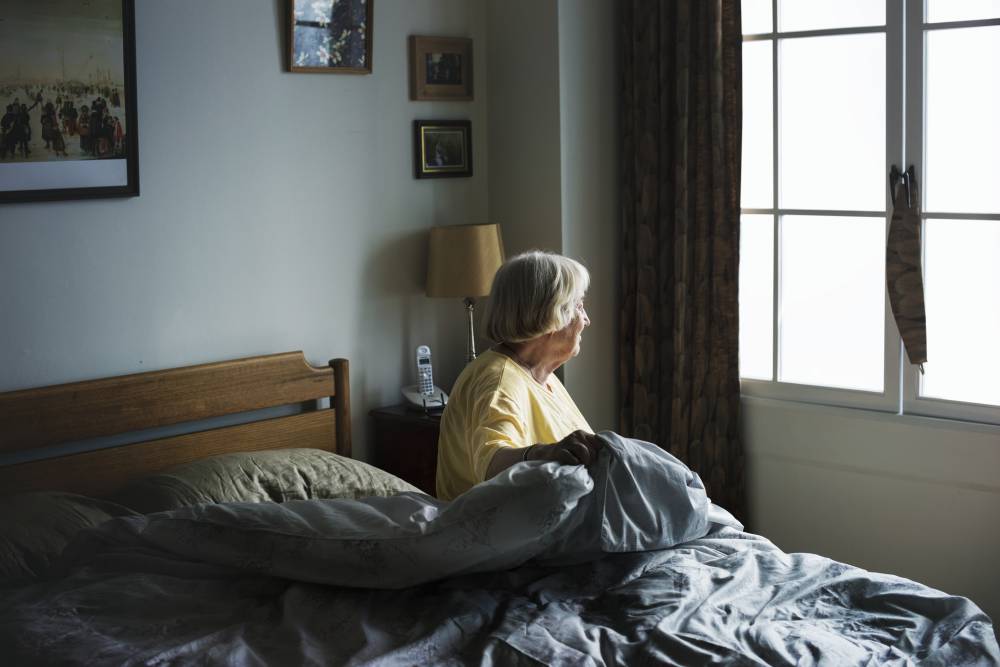
More than 108,000 Australians remained on the waiting list for their appropriate level of home care as of 31 March 2018, including 88,000 with high care needs, according to new data released by the Department of Health.
There were 104,000 on the waiting list for home care as of 31 December 2017, indicating an increase of 3.7 per cent over the quarter.
Since the first release of data, the waiting list for home care has grown from 88,000 to 108,000.
However, more people than ever are living with home care in Australia.
“There are now more people in home care than ever before,” the report states, “with 77,918 people in care at 31 December 2017. This represents an increase of 5.0 per cent since 30 September 2017 and an annual increase of 13.5 per cent since 31 December 2016.”
Other key facts:
Aged Care Minister Ken Wyatt AM told HelloCare, “A record number are receiving home care packages and three-quarters of those listed for home care are receiving Federal Government support to help them remain living in their own homes.”
But Julie Collins MP, Shadow Minister for Ageing and Mental Health, issued a statement describing the Federal Government’s home care package, which injected $1.6 billion into 14,000 additional high-level home care packages, as a “cruel hoax” on older Australians.
“With the waiting list growing by almost 4,000 older Australians in just three months, the 3,500 new home care packages a year committed in the Budget won’t come close to keeping pace with demand,” she said.
Minister Wyatt said, “Before releasing the latest data, I wanted assurance that as many people as possible who are approved for home services are receiving support.”
Ms Collins said, “It is now abundantly clear why the Turnbull Government deliberately delayed the release of this data for months – more older Australians continue to wait for the home care they need.”
“The Minister has already admitted the Government will need to consider other interventions to reduce the list,” she said.
“Serious questions remain about whether these numbers are even an accurate picture of the number of older Australians waiting for care after being delayed for so long.”


This is a social disaster. I recently spoke to an older man in Frankston waiting for a package for his wife who was recovering from major surgery. He was a polite, gentile man who spoke quietly with a look of exhaustion and exasperation. How many times is this story being repeated across Australia and how much suffering is too much before the Turnbull government does something ?