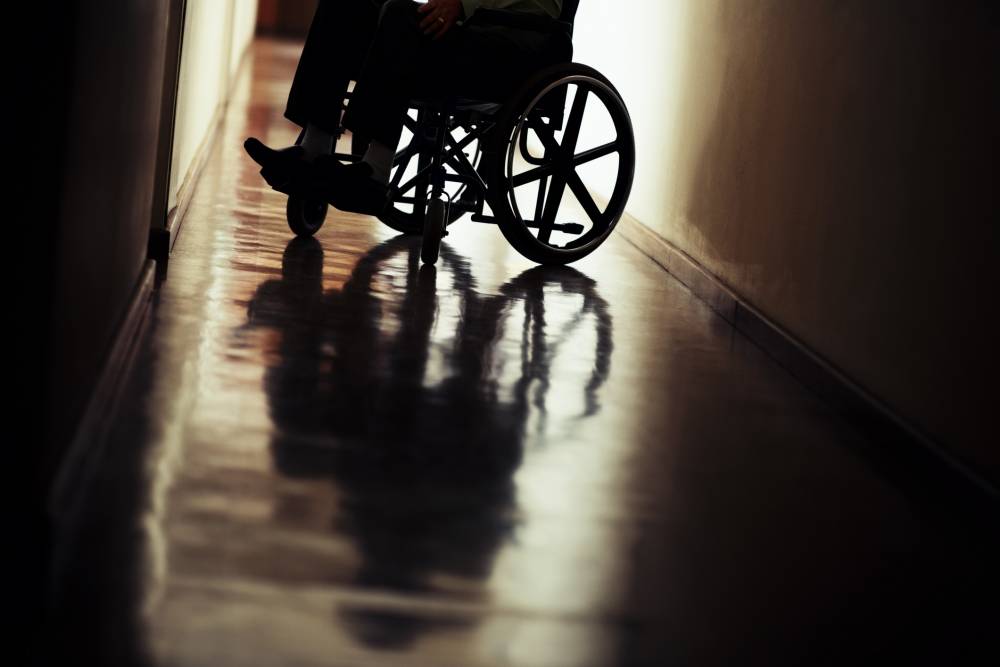
The government’s Aged Care Complaints Commissioner is investigating the death of a wheelchair-bound man after he was left unattended and caught fire at a nursing home in NSW.
56 year old Kenneth Andrews Seach was found in the smoking area of an aged-care home in Tuncurry, NSW Mid North Coast on August 26, and suffered burns to 60 percent of his body.
He was then airlifted to Concord Hospital in Sydney’s inner west, where he died the following day.
In a statement provided to HelloCare, Estia Health confirmed the incident and also expressed its deepest sympathies to Mr Seach’s family as well as staff and other residents within the facility, but the facility “will not be making any further comment,” about the incident.
Mr Seach’s cousin called into NSW radio station 2GB and has alleged that Mr Seach suffered from regular falls, including one as recently as two days prior to his death.
Mr Seach’s cousin also questioned why the man was left unattended in the outside smoking area of the facility.
While details regarding the circumstances that occurred leading up to the discovery of Mr Seach have not been put forth, the fact that he was found badly burned in the smoking area of a facility raises many questions surrounding procedure within aged care homes pertaining to residents who wish to smoke.
While a number of residential facility residents have both the cognitive and physical ability to go outside and smoke safely by themselves, there are a number of residents who wish to smoke cigarettes but require assistance in order to be able to do so safely.
Facilities do their best to encourage independence for residents, but in some cases the safety risk involved in these activities may require supervision at the cost of the residents’ dignity.
Professor Joseph Ibrahim, Head, Health Law and Ageing Research Unit at the Department of Forensic Medicine, has spent years researching risk management. While he was not aware of, and did not comment on this specific case he did offer this general advice regarding smoking in aged care facilities.
“Smoking is obviously bad for your health, so firstly we recommend avoiding that at any age, but if a person wants to engage in unhealthy behaviour because it gives them pleasure or improves their quality of life, that’s their right and they can choose to do so.”
“A facility and their carers have a responsibility to ensure that people who want to smoke can do so in the safest way possible. This may require negotiating a location and how often they wish to smoke, and ensuring that this is done as safely as reasonably possible.”
“Over the past few years a number of deaths have occurred which have been investigated by the coroners court. It is worthwhile reflecting on the recommendations emerging from those cases. Examples include facilities asking residents to wear a protective fireproof smock for residents, planning when smoking may occur to enable supervision and, having an emergency action plan if something goes wrong,” he said.
The Coroner is still investigating the circumstances surrounding Mr Seach’s death.





