This means hospitals in Victoria will call staff back from leave, and can defer non-essential care as the Government tries to manage severe staff shortages due to Omicron.
After spending two days visiting our homes across Victoria this week to understand what our staff are experiencing, and to tell them how much we appreciate them, it’s no surprise.
For those unaware, health and aged care staff are being furloughed if they have a positive COVID test or are in any way symptomatic, which means they are unable to work. As you might understand, that’s a lot of furloughing when there are so many active COVID cases across Victoria and NSW.
For staff on the frontline this means they are doing an extraordinary amount of work, and extraordinary isn’t even a good enough word for it.
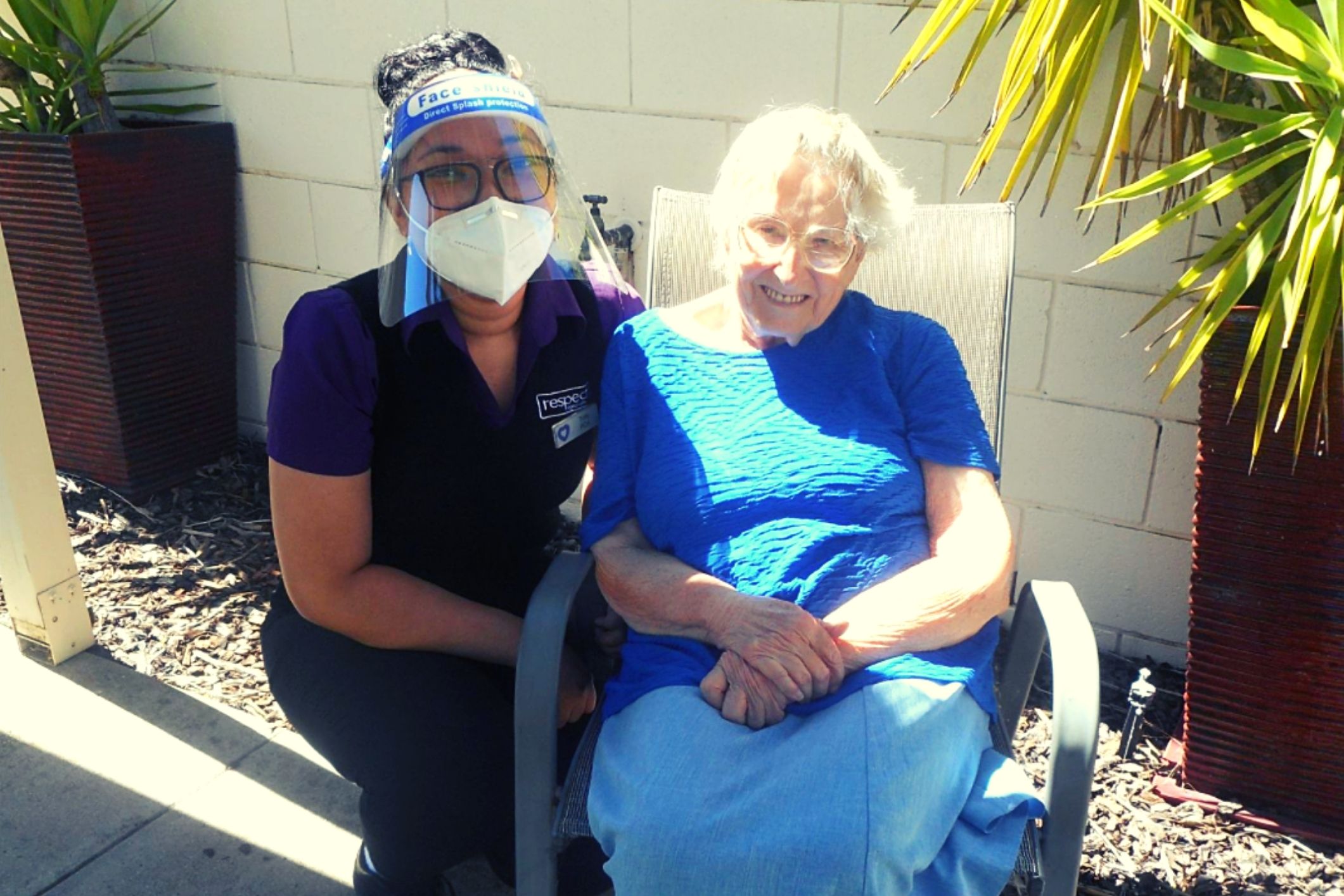
Imagine wearing an N95 mask and face-shield, coming in early out of duty to give good care knowing there are staff shortages, finishing your shift late exhausted, and then realising there are not enough staff on the next shift to provide care to residents.
You take a deep breath, and even though you’re already stuffed, pull a double-shift because you have to ensure the residents you love get the care they need. Then you go home, crash in bed, wake up the next day and do it again, and again, with no end in sight.
You may be a bit angry and say that’s not fair, and “someone” should do something about it, but staff shortages are pervasive across Victoria and NSW, and we can’t get more appropriately skilled workers to cover the workers in furlough.
So, who’s left to do the care? Some of the most selfless people in our community – the existing aged care workers. They are sacrificing everything right now to make sure our mothers, fathers, grandmothers and grandfathers are safe and cared for by pushing through some seriously difficult challenges.
We are implementing as many strategies as we can to alleviate this, and it’s day by day, but I want you all to know how we’re getting through it – it’s only because of the commitment of our amazing staff.
If there are any family members reading this, please know your loved one is fine, because our staff won’t let anything happen.
I say aged care workers are amazing people when things are normal, but at the moment, I want you to know it’s another level above amazing, and if you know someone in a COVID-affected aged care home, please spare a thought, a kind word, or an act of help in this difficult time.
It’s never been tougher, and every bit of support is appreciated for these amazing community members at this time.
Jason Binder – Chief Executive Officer at Respect.
Republished with permission. Originally published on LinkedIn.



Its ok to say thank you to aged care workers and to pull them off their well earned leave but we are still being paid poorly for this effort unless an outbreak is declared. Fair pay also means alot.