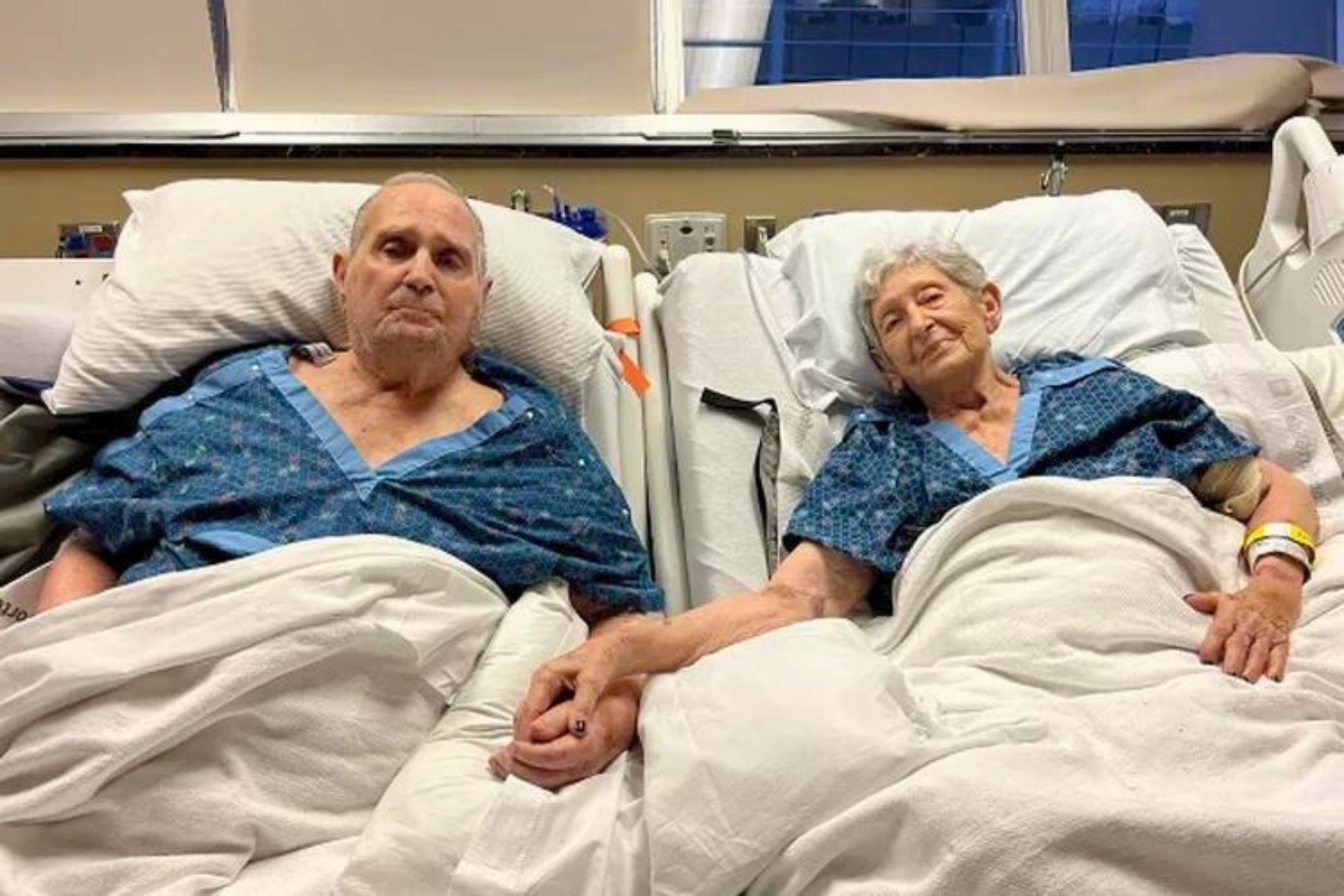
Family and doctors of an older American couple have recounted how “They [didn’t stop] holding hands the whole time” during their final moment in hospital before dying nine days apart.
Before their deaths, Doyle Thomas “Tommy” and Virginia Stevens, both 91, had been married for nearly seven decades before Tommy died a day before what would have been their 69th anniversary at a Tennessee hospital.
Recent unrelated medical emergencies caused the pair to be transported to Vanderbilt University Medical Center (VUMC), separating the life partners at a time when they needed each other the most. Compassionate problem-solving by the Palliative Care Unit and the Trauma Intensive Care Unit teams allowed the couple to be reunited and their family to be with them in one room.
The couple’s eldest daughter said being in the same room allowed the family to focus on both of them and reminiscence on fond memories.
Karen Kreager, the couple’s daughter, told the hospital that her parents “both lit up” when they saw each other during their reunion at the hospital before Tommy’s death.
“He was awake when she came in […] “His eyes were open. He wasn’t communicating a lot — just in small whispers. But he knew that she was there and that she was going to be right beside him,” Ms Kreager said.
“They [didn’t stop] holding hands the whole time.”
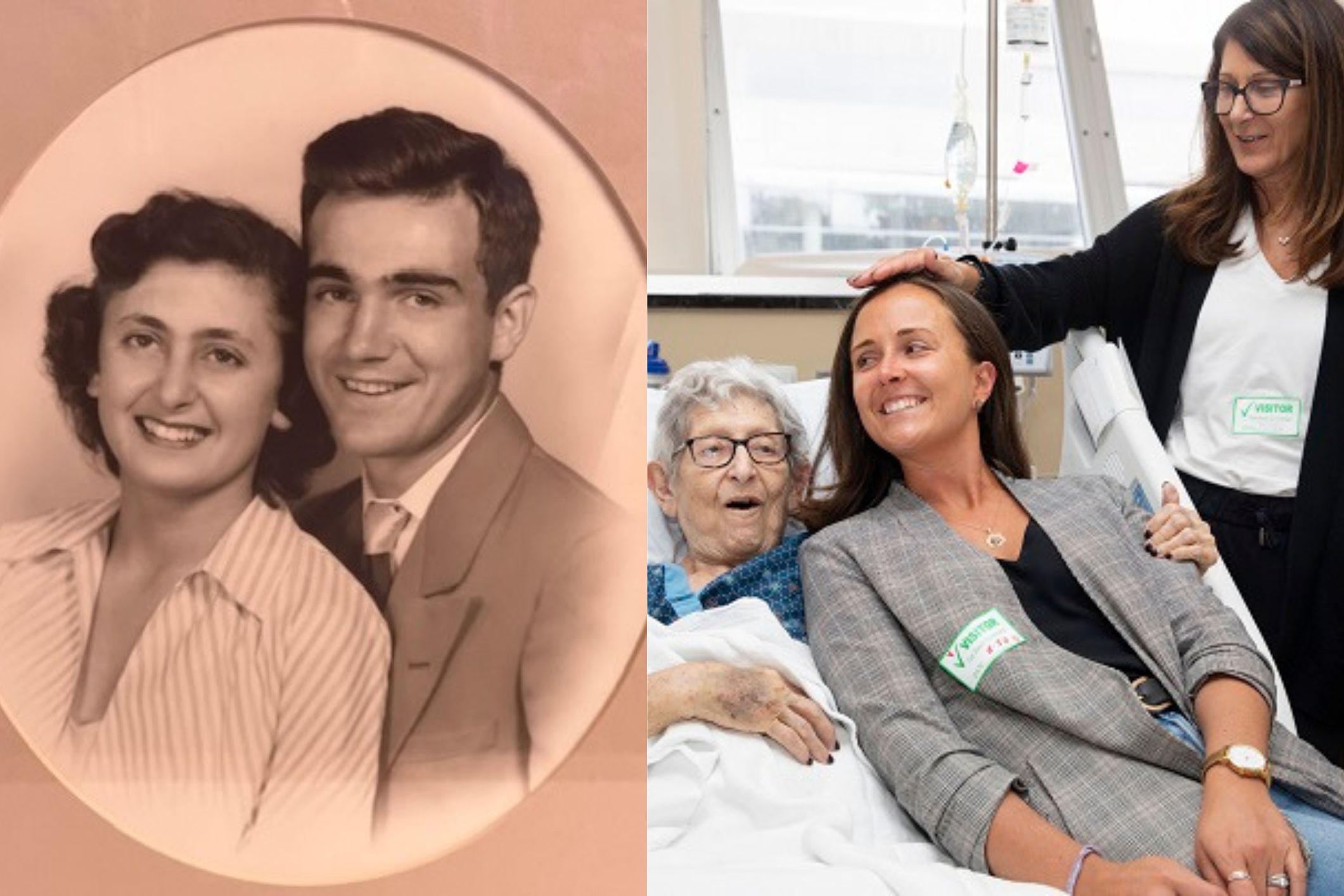
Tommy, a US Army veteran, had Alzheimer’s disease and was moved to the memory care unit of the assisted living facility where he resided with Virginia. Breathing issues and low blood pressure saw Tommy taken to VUMC where he was diagnosed with sepsis and pneumonia and was later moved to VUMC’s Palliative Care Unit when further treatment was no longer possible.
On the same day that Tommy was taken to the hospital, Virginia experienced a fall and was transported to the same hospital. Virginia was admitted to VUMC’s Trauma ICU, suffering six broken ribs, a spinal fracture and a hip injury.
VUMC’s Medical Director of their adult Palliative Care Program, Doctor Mohana Karlekar, said Tommy and Virigina’s story reminded her of why care staff do what they do.
“We brought this family together during one of their most difficult times with little effort on our part. It involved a call, seeing an extra patient that day and some conversations […] It is a reminder to me about how each of us should remember that taking just a little time can be so impactful and that we should do this more often.”
Virginia and her family were with Tommy when he died on September 8 and Virginia was also surrounded by family when she passed on September 17 to be reunited with her husband.



Great to read this positive acknowledgment of staff taking the initiative to provide holistic palliation.