Six months after shelving price caps on in-home aged care, the Health Minister has a new explanation for why, still has no date for when they will arrive, and could not tell older Australians what a fair price looks like in the meantime.
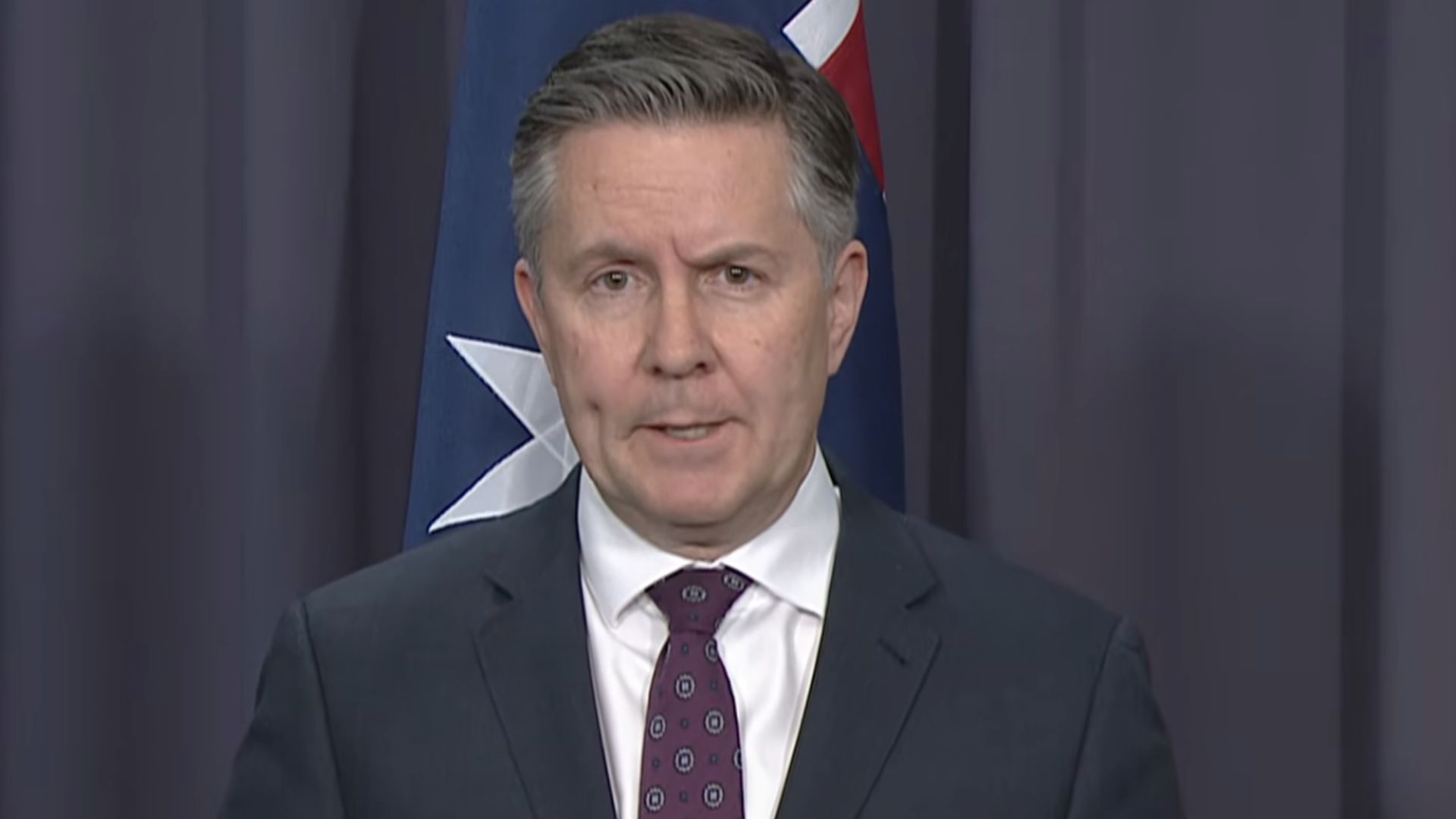
Speaking to Ben Fordham on 2GB Breakfast on 19 November, Minister for Health and Ageing Mark Butler was asked a simple question: what is a reasonable price for an hour of cleaning or gardening on an ordinary weekday?
“I don’t have that dollar figure in my head, Ben, for every single service on every single day,” he said.
Pressed again, he pointed listeners to a government website that publishes average prices. Asked which website, he replied: “I’ll get the website to your producer. I don’t have the website in my head.”
For the hundreds of thousands of older Australians on Support at Home, that website is now the main tool they have to work out whether they are being overcharged. That’s because the price caps they were promised still don’t exist.
The government has now given at least three different reasons for not delivering caps on 1 July 2026.
On 2GB, Butler said the problem was a lack of data. “The scheme had only been operating for by then seven months or so, and we didn’t really have enough information to set the price caps in the way in which we thought would give confidence to a new program,” he said. “We just didn’t think that seven months of data, as we looked at it, was giving us a clear enough value.”
When the deferral was announced in May, Butler told ABC radio the concern was volatile cost increases linked to the Iran war. He also warned that a cap could backfire. “We don’t want to set in place a price cap that really leads to unintended consequences, particularly that sees prices go up.” He pointed to the NDIS, where most providers charge at the cap.
The Department of Health, Disability and Ageing gave a third reason. Its own announcement said the pause “allows providers more time to adjust to the new funding and pricing models”.
On 2GB, Butler said the government is “still committed” to caps. But the May decision set no new start date, and the interview didn’t produce one either. “Let’s talk again, and maybe we can get a date soon on when the price caps are coming in,” Fordham said as he signed off.
This is also not the first delay. Caps were originally meant to arrive with the program. In December 2024 the government pushed them back to 1 July 2026, after providers lobbied for more time. In May 2026 they were deferred indefinitely, with a working group set up to define “reasonable pricing” in the meantime.
Fordham read out examples sent in by listeners, which included:
Butler called some of them “pretty outrageous rip-off stories”. Fordham then put the providers’ side of the argument to him: “How are they to know what to charge when you haven’t set price caps? It’s a bit like pulling someone over who’s speeding and saying, you’re going too fast, and the driver says, I don’t know what the speed limit is because there are no signs.”
“You don’t have to be a rocket scientist to know if you’re buying smoothies for the sort of price you mentioned and then on-selling them for five times of the price,” Butler replied. “Something’s not right.”
HelloCare has reported on meal bundles advertised at $99 being billed at around $300 through Support at Home. Multiple investigations have found some service prices had doubled, with single shower visits costing $200 or more at peak times.
When Butler deferred the caps, he promised to “crack down on any price gouging by providers”. The next day the Independent Health and Aged Care Pricing Authority (IHACPA) published its first Support at Home pricing advice. For six of the nine services compared, IHACPA’s cost-based prices came in higher than the average prices providers were charging.
A department payment assurance review released in September went further. It found most apparently high prices were caused by incorrect claiming, which made the recorded price look higher than what was actually charged. Sector data shows Support at Home prices rose by just over 10% on average.
On air, Butler said providers once took “as much as 35% of the package value as a so-called admin fee”, and that it is “now capped at 10%”. The 10% is the cap on care management, which is a separate service. Under Support at Home, providers can no longer charge separately for administration, overheads or travel. Those costs must now be built into the hourly price of every service.
The minister acknowledged this on air: “We’ve said that travel has to be incorporated now into the price, rather than a separate charge.” That rule has applied since November 2025.
With no caps, the government’s answer to overcharging rests largely on transparency. “We are publishing on a quarterly basis all of the prices that are being charged out in the sector,” Butler said on air. “It’s also available to older Australians and their advocacy groups so that they have a sense of what the average price for a particular service is.”
Within a few minutes he described the same data as published “on a three-monthly basis” and then “every month”.
The data is published as the department’s National Summary of Support at Home Prices on the health.gov.au website. Two editions have been published since Support at Home began in November 2025:
So when Butler spoke on 19 November, the newest “average” prices an older person could check were from the first three months of the year. The summaries report medians and ranges, not averages.
The first summary put the national median for an hour of gardening at $118, with most providers charging between $98 and $143.
The department’s guidance says a price is reasonable if it reflects the provider’s costs of delivering that service to that participant. On 2GB, Butler said there are “statutory obligations on these providers to be able to demonstrate that the price that they’re charging is reasonable”.
The Aged Care Quality and Safety Commission has ordered more than $300,000 in refunds to Support at Home clients. The program serves nearly 391,000 people.
When the caps were shelved in May, the Older Persons Advocacy Network warned that older people would “continue to face uncertainty about what they will pay for essential services”. Its Director of Policy, Samantha Edmonds, told HelloCare the answer was “clear, enforceable protections, including the timely introduction of well-designed price caps”.
Butler was frank about the pressure on the system. “The spike in demand for aged care we’re seeing right now is something like we’ve never seen before,” he said. He also gave providers credit for the realities of home care. Workers travel between clients, and he called it “pretty precarious work”.
He was clear about where he stands: “We do have to get a handle on some of these things that are emerging around price rip-offs. I’m pretty clear in my head about that.”
Fordham closed the interview: “We’ll need those price caps pretty soon, though, because you’re looking at what’s happening at the moment. It’s just going to keep on increasing and increasing until you put the caps in place. So we’ll wait and find out when that’s going to happen.”


