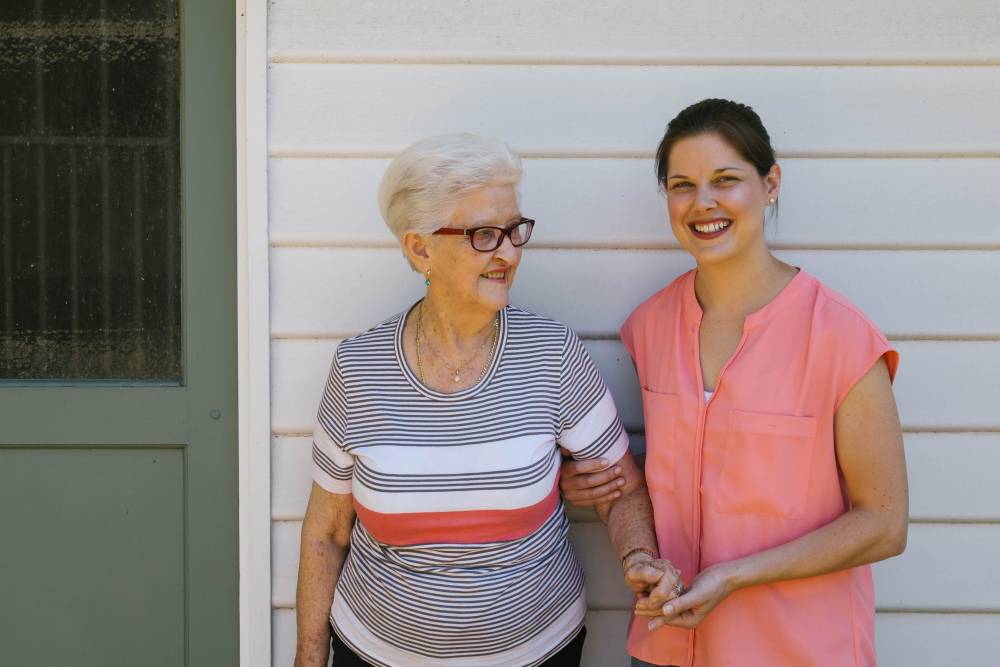
It was just another shift working as a physio in a Melbourne Emergency Department. Hospitals, Healthcare and Aged Care were all second nature to me; until I received a phone call that changed it all. It was my Aunty on the phone, “I’ve just been at the doctors with Nanna, the doctor wants her to go to Emergency, she looks a bit Jaundiced”.
Without hesitation I replied “bring her in”. It made sense, my shift was finishing, and it wasn’t that busy. “I’ll meet you soon,” I replied.
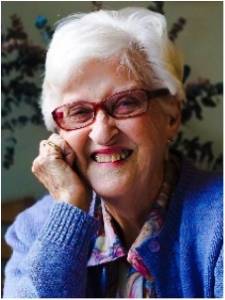
It wasn’t long before my worst fears were realised. My Nanna was diagnosed with terminal pancreatic cancer and the prognosis wasn’t good – one year even with palliative chemotherapy. I was shocked she was so independent and was chopping wood earlier in the week. Suddenly everything seemed so different, the hospital, the doctors, the nurses, nothing was familiar anymore. So began my journey as a carer…
Within a couple of weeks I had moved in with my Nanna and had assumed a new role as a live in carer in addition to working full time at the hospital. I learnt quickly how hard carers work!
It wasn’t so much the physical work, rather the endless hospital appointments, constantly adjusting to new information, worry of the unknown and the emotional hardship of seeing someone deteriorate before you and feeling helpless to do anything about it. I was one of the lucky ones, I knew ‘the system’ and had supportive family and friends. I had no idea how people less fortunate got by.
Despite the prognosis, it was 18 months later, and Nanna remained at home with support. She had defied the odds, although it was becoming increasingly difficult to cope as a carer. Nanna’s memory was declining, falls were increasing and she just couldn’t be left alone, so the difficult decision to seek care in a Residential Aged Care facility was made.
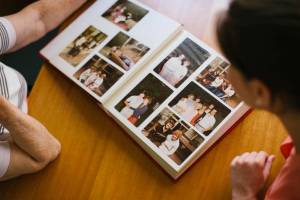
It was quiet and lonely without anyone to look after, the house felt empty, but the right decision had been made. Despite my Nanna’s two attempts to pack up an entire room and escape, she eventually settled in and had become so confused she still thought she was at home. Nanna made friends with other residents and staff alike and was still able to go with family on excursions. Keeping active and socially engaged no doubt extended her life. Nanna passed away six months later surrounded by music and loved ones.
A carer’s journey is a rewarding but challenging one. I wouldn’t change my experience as a carer for anything in the world. I learnt to appreciate the little things in life, to not take things for granted and discovered a strength of character beyond what I thought existed. More importantly I was able to spend precious time with someone in the last stages of their life and made memories I will cherish for ever.
This article is dedicated to the late Roma Dunn.
* Nicole is the owner / director of Empower Aged Care Consulting. A service that helps older people live their best possible life at home and provides support to families.



Beautiful story, thanks for sharing